Park Güell: architecture and a practical visit plan
Prepare a Park Güell visit through design, landscape, route choices and official access information, without squeezing it into an unrealistic schedule.
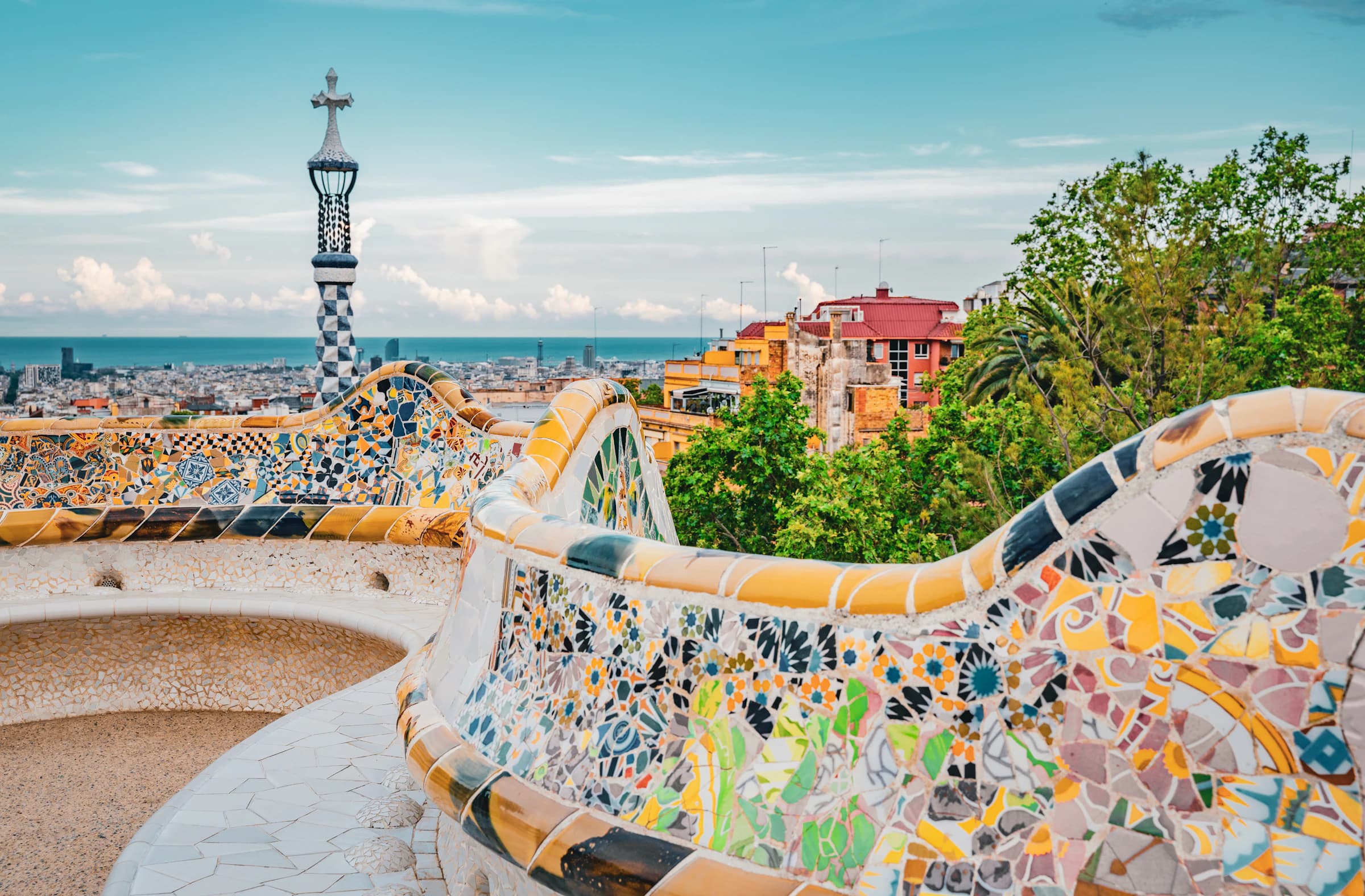
Park Güell rewards a different kind of attention from a single building. Here you can ask how a route, a place to pause and a change of level become part of architectural discovery. Preparation should therefore cover both what you want to notice and how you will move through the visit. This guide separates those decisions so that a famous photograph does not become the sole measure of a worthwhile experience.
At a glance
- Use the original residential idea to ask questions about movement and shared space.
- Confirm current access and your actual route on the official site.
- Adapt to the people travelling with you, not a rigid attraction checklist.
- Park admission is not included in the current Unlocked Tours catalogue.
Understand the starting idea
Park Güell was conceived as a residential development, not initially as the park visitors know today. Let this concise fact generate a practical question: which elements help people move, meet or orient themselves? You need not learn the entire chronology before visiting. Instead, choose one feature and ask what problem it might have answered in a planned neighbourhood. Gaudí and Eusebi Güell’s collaboration provides the broader background, explained on the official site. Separate that documented history from the atmosphere you feel during a visit. A place can be enjoyable now while having had an original intention different from the way you encounter it.
Look beyond the best-known photograph
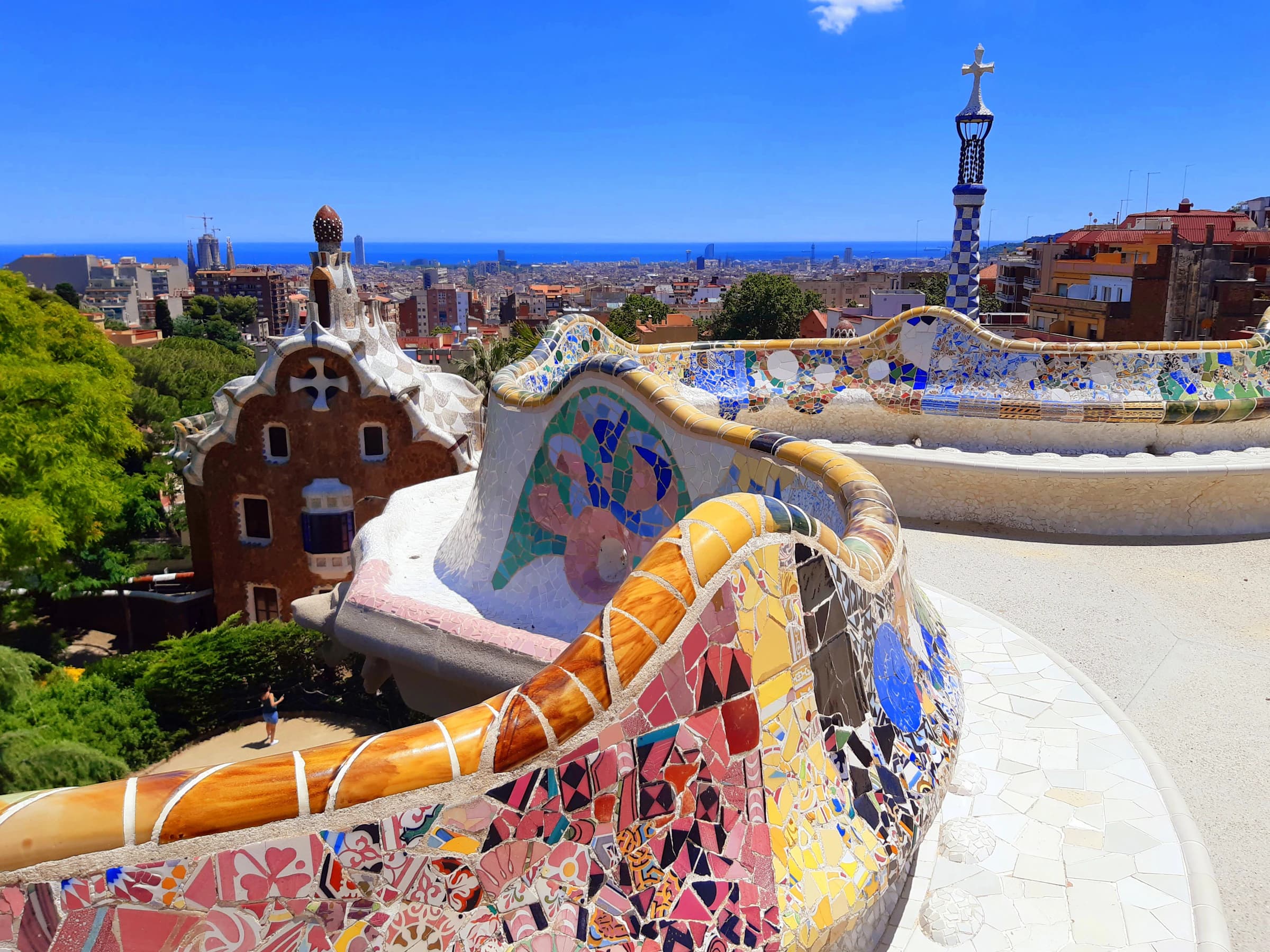
The official features page identifies the Dragon Stairway, the Hypostyle Room and the Nature Square among the park’s elements. Use the names for orientation, then choose what to study rather than trying to collect an image of everything. You could examine the relationship between a route and a pause, or compare a distant view with the scale of a nearby detail. Do not judge a visit by whether you reproduce a famous empty scene. The presence of other visitors changes the experience without erasing the architecture. Focus on a question you can answer through observation, and leave space for a detail that you did not expect to find interesting.
Read the route as part of the design
As you move, pay attention to the difference between arriving, passing through and stopping. Ask where you naturally slow down and what makes you look in a particular direction. These are observations you can discuss without claiming a specific intention for every design choice. Compare the experience of a level area with a change in elevation, noting how your own pace affects attention. When travelling with others, agree a way to regroup before someone follows a separate photographic interest. It is easier to enjoy a route when the group’s practical arrangements are clear and the person choosing directions does not also have to manage every conversation.
Plan access using current official information
Use the park’s official visitor information to check the entry arrangement that applies to your visit, the access point and any relevant restrictions. Avoid relying on an old blog’s suggestion that a particular gate or time guarantees a free or unrestricted visit. Conditions can change, and the name of a nearby transport stop does not tell you the complete route to your entrance. Check the plan before leaving your accommodation and save the information you need offline. If you have a timed reservation, leave margin for finding the correct access. Keep the reservation details separate from your list of things you hope to photograph.
Match the route to the people
Describe the group’s actual needs before choosing a route: walking pace, steps, mobility equipment, rest breaks or a child who needs frequent pauses. The official accessibility page is a starting point for planning, not a promise that every possible path suits every visitor. Ask the site directly if your situation needs clarification. Choose comfortable footwear and organise water or a break according to the conditions of the day. Do not make the slowest person responsible for explaining why a schedule is unrealistic. Build the margin into the plan from the start, so that adapting the visit feels ordinary rather than like abandoning a challenge.
Connect the park with a wider itinerary
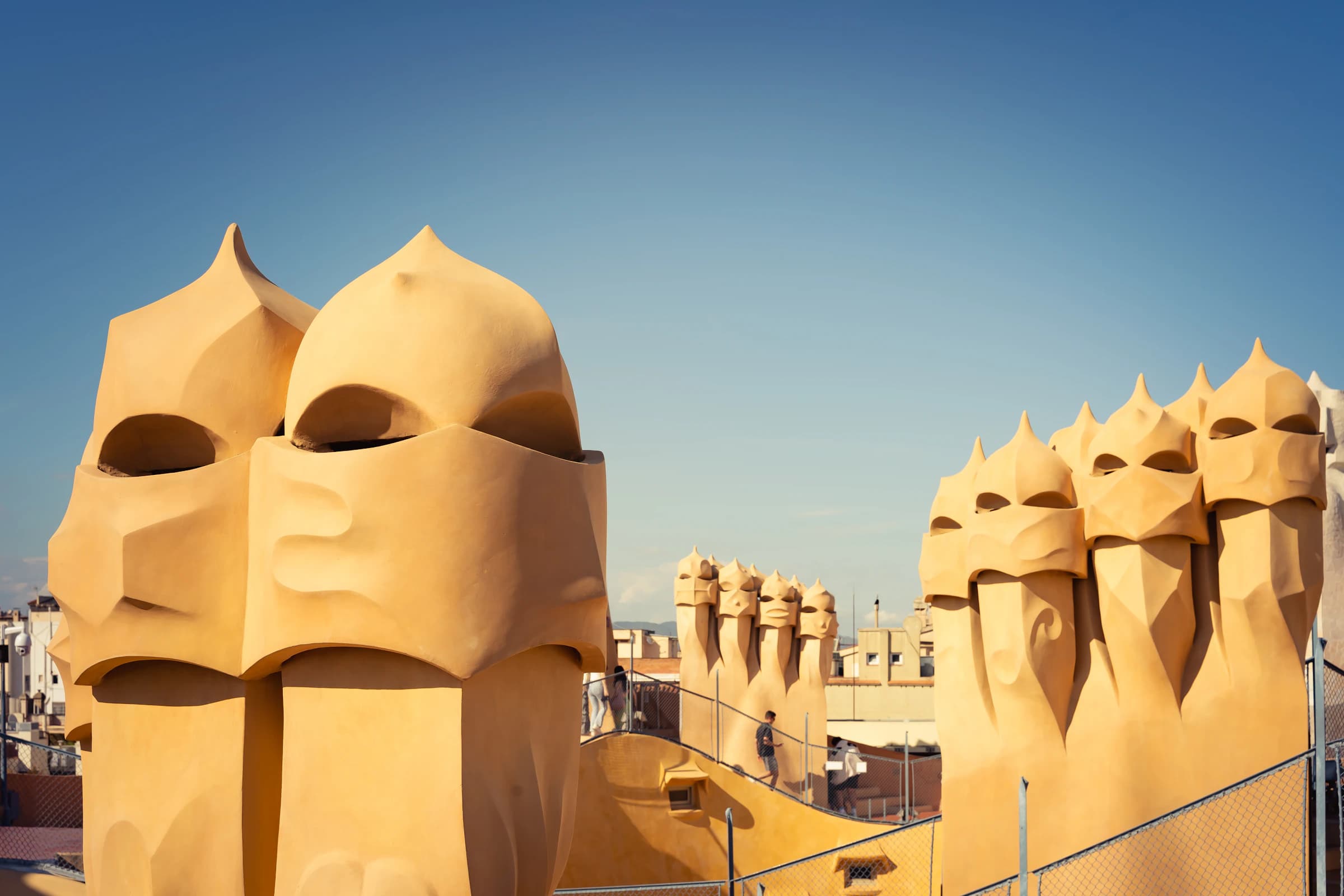
If the day also includes other Gaudí works, give Park Güell a distinct role: exploring the relationship between architecture and a setting. Avoid squeezing it between two tightly timed activities simply because all three names appear in a top-ten list. A private Barcelona tour can be discussed with Unlocked Tours for a suitable city route, but the current catalogue does not list Park Güell admission or a Park Güell visit as included. Do not infer access from a related article or a photograph. Plan any park reservation separately. End by describing one relationship between movement and design that you noticed, then use it as a question for your next architectural stop.
Sources and further reading
Bring the story to life
Compare routes, durations and languages, then choose the tour that fits your trip.
Explore our tours ↗