Gaudí, nature and symbols: a guide to looking
Explore natural forms, materials and symbolism in Gaudí’s architecture while keeping observation, documented meaning and imagination distinct.
A shape that reminds you of a plant or an animal can be the beginning of a good architectural question. It is not automatically the answer. Gaudí’s work invites this kind of curiosity, but a useful visit keeps three things separate: what you see, what reliable information explains and what you personally imagine. This guide helps you enjoy the connections without inventing a hidden story for every curve or treating an appealing legend as established history.
At a glance
- A natural resemblance is a useful question, not proof of an intended symbol.
- Ask how forms and materials work as well as what they evoke.
- Distinguish documented explanations from legends and personal interpretations.
- Bring a method of looking, not a list of secret meanings.
Let resemblance begin a question
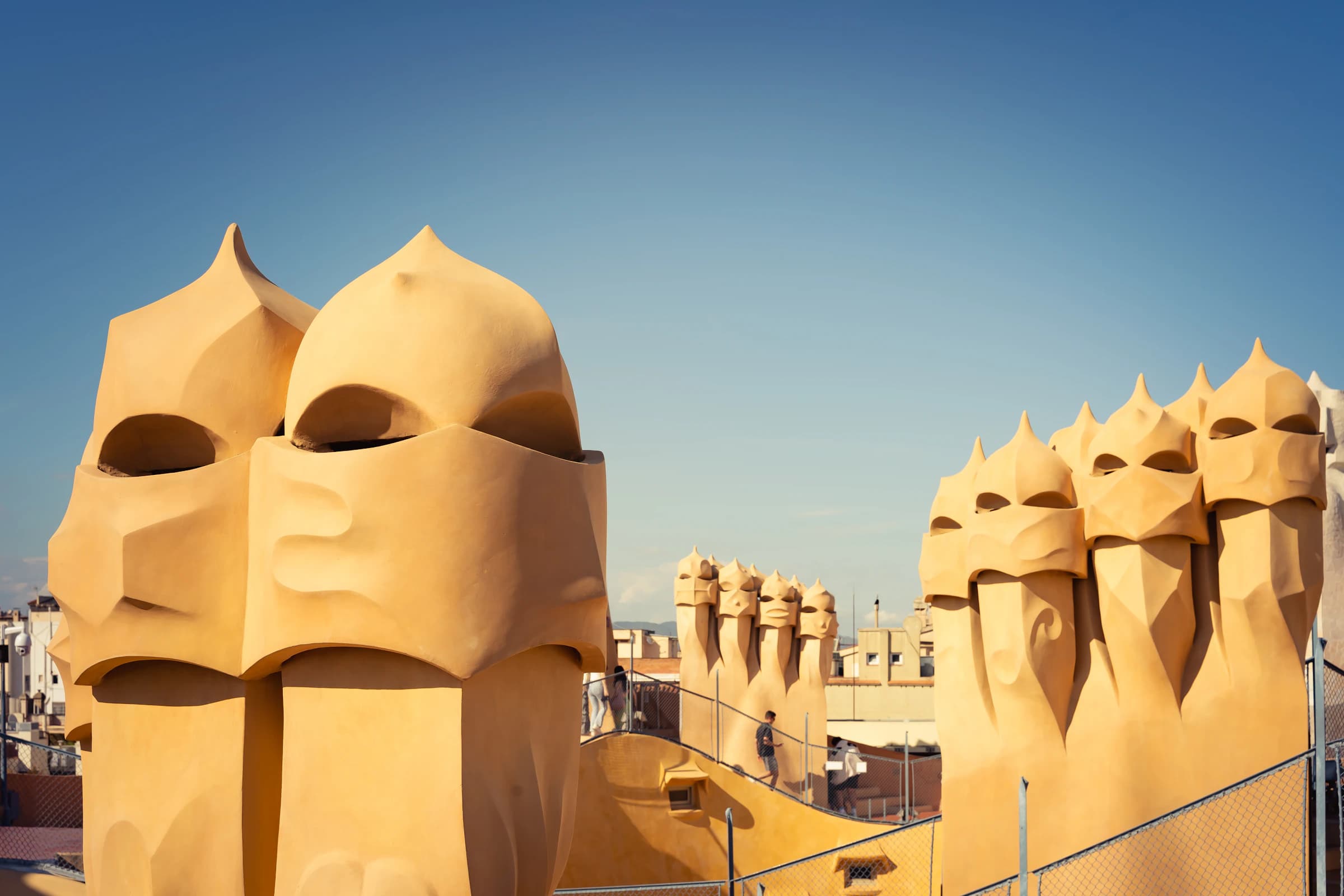
When a detail reminds you of something natural, describe the resemblance precisely. Is it the outline, the texture, the arrangement of parts or the way one form branches into another? Asking this makes your observation more useful than simply declaring that a building looks organic. Gaudí’s official biography identifies his attention to nature, which gives a documented starting point for further questions. It does not prove that every resemblance you notice was intended. Keep room for a guide to explain a connection, qualify it or show why another reading is stronger. Curiosity works best when you are prepared to change your initial interpretation.
Consider a form as a working idea
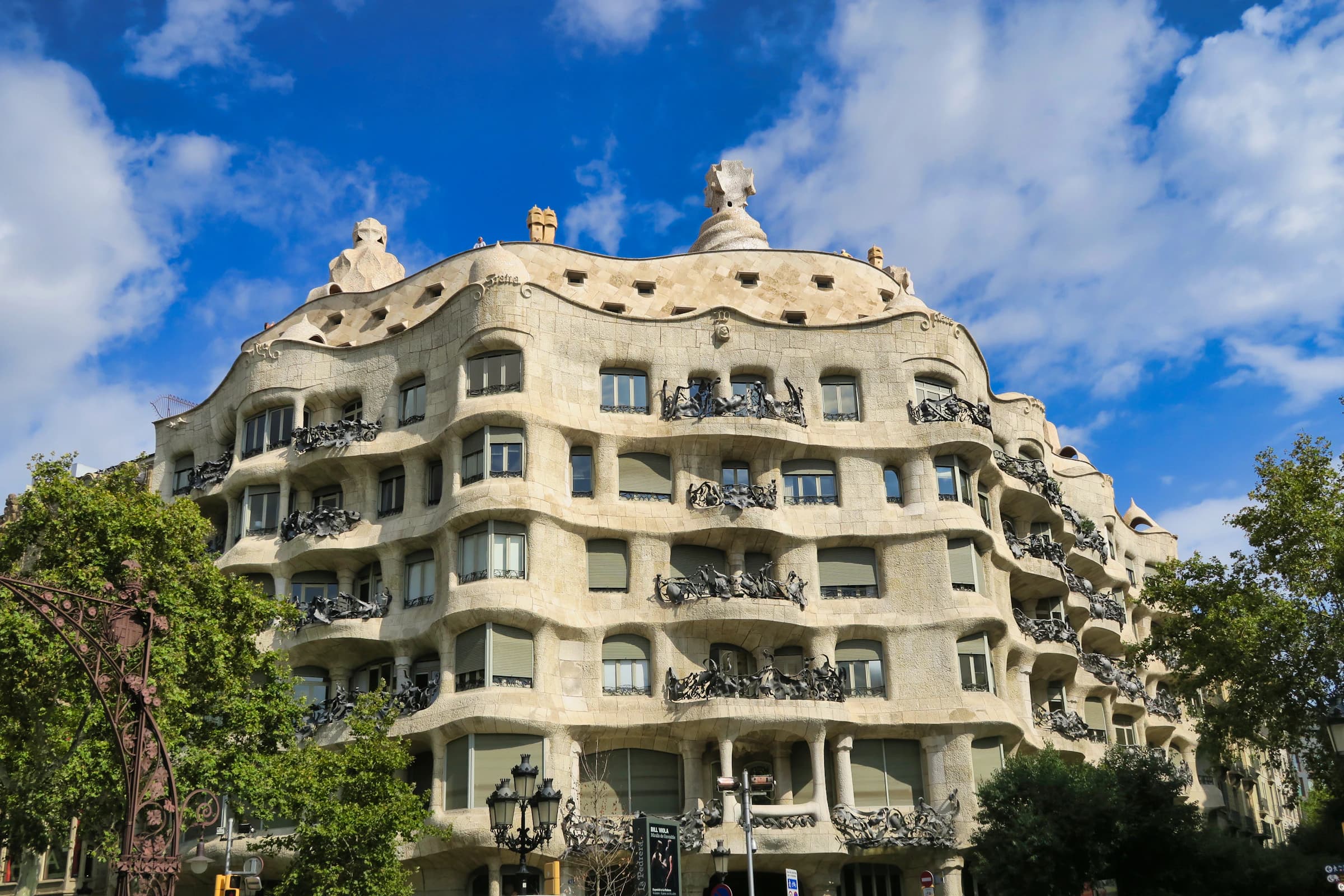
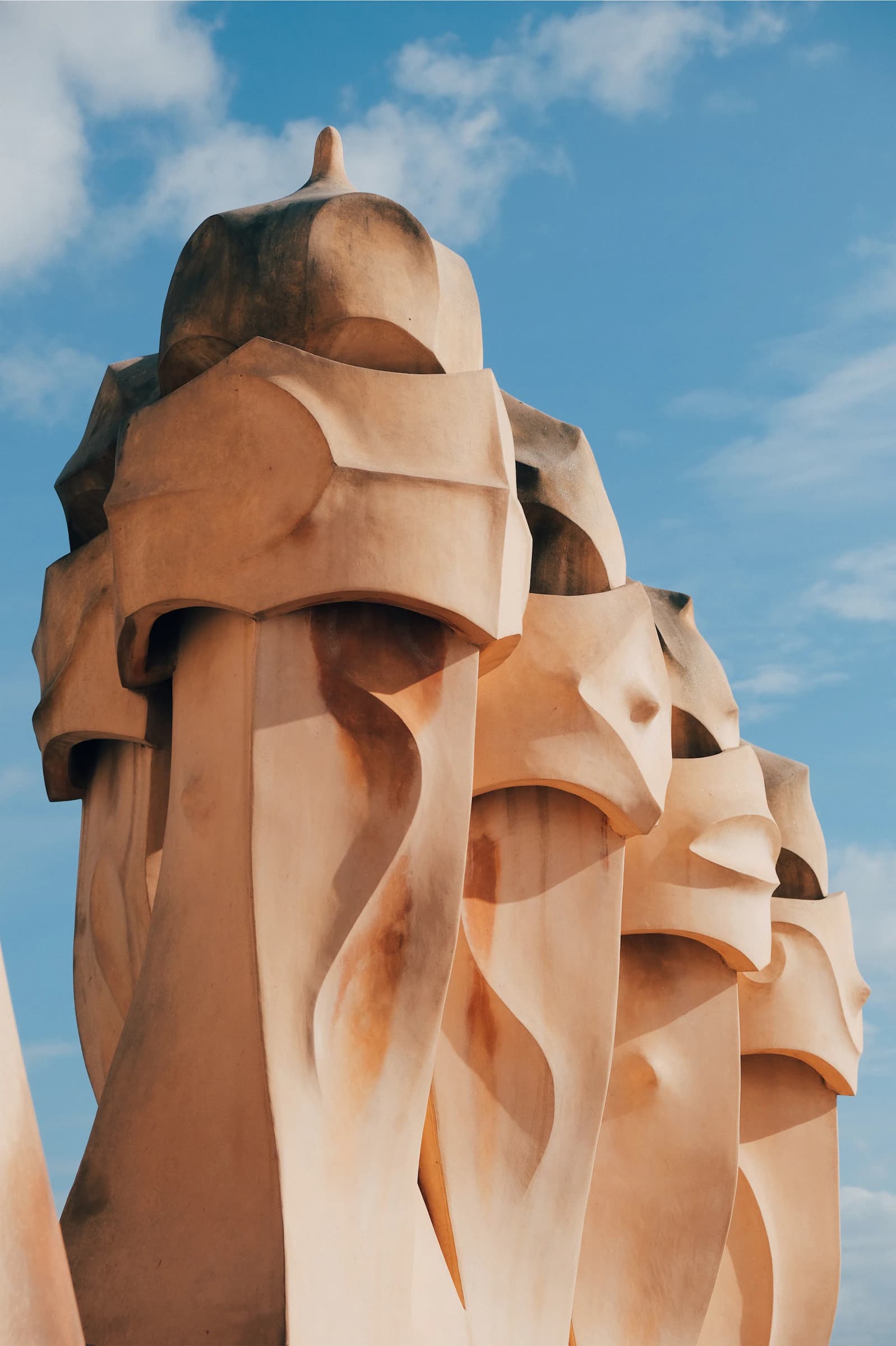
Ask whether a shape might have a practical role as well as a visual effect. An arch, an opening or a repeated support poses different questions from a purely pictorial image. You do not need advanced mathematics to recognise that appearance and function are separate topics worth discussing. La Pedrera’s attic has brick arches supporting the roof. Use that specific example to ask how an element works instead of attaching a story to its outline immediately. A documented structural explanation can be as interesting as a symbolic one, especially when it changes what you thought was merely decorative.
Treat materials as part of the conversation
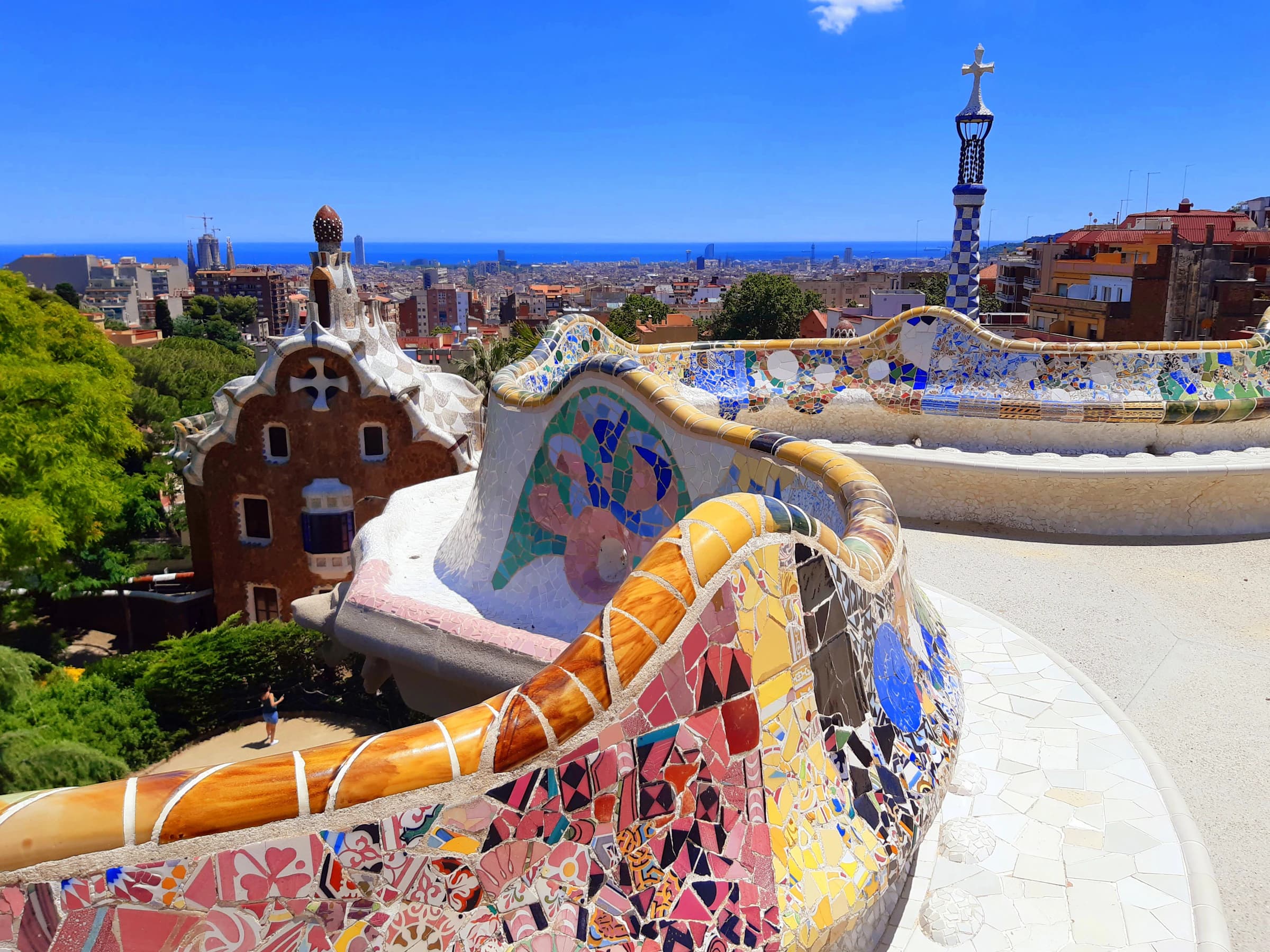
Choose a surface and consider the scale of its pieces before deciding what it represents. Trencadís combines irregular fragments into mosaic; the La Pedrera account explains its protective role as well as its visual effect. This is a useful reminder that an attractive surface can have more than one job. Compare a close detail with the whole form and ask how the smaller pieces contribute to the larger impression. Do not touch or test materials yourself to establish a theory. Use observation and documented interpretation. If you cannot identify the material confidently, record a texture or colour and leave the technical question open.
Keep symbols and stories in context
A religious scene, a natural resemblance and a popular legend are not the same kind of explanation. Ask which kind you are hearing and what supports it. Casa Batlló’s official façade account presents several interpretations, including a marine reading of its imagery. The existence of multiple readings can be part of the interest, rather than a problem to solve by choosing a single secret meaning. Avoid claiming that a story is Gaudí’s own explanation when the source only presents it as an interpretation. You can remember a legend, compare it with what you see and still describe its status accurately when sharing it later.
Use these questions with children
Invite a child to choose one detail and explain what it resembles. Then ask which feature created that connection. This gives imagination a clear starting point without requiring an adult to invent a factual meaning. You can make a small drawing and compare it with the real shape, noting what was simplified or exaggerated. Keep the conversation short enough to remain enjoyable, and let someone change their mind. The aim is not a quiz about correct answers. A useful outcome is learning to distinguish “I think it looks like” from “the explanation says”. That distinction supports curiosity rather than removing the pleasure of noticing unexpected connections.
Carry a method into your next visit
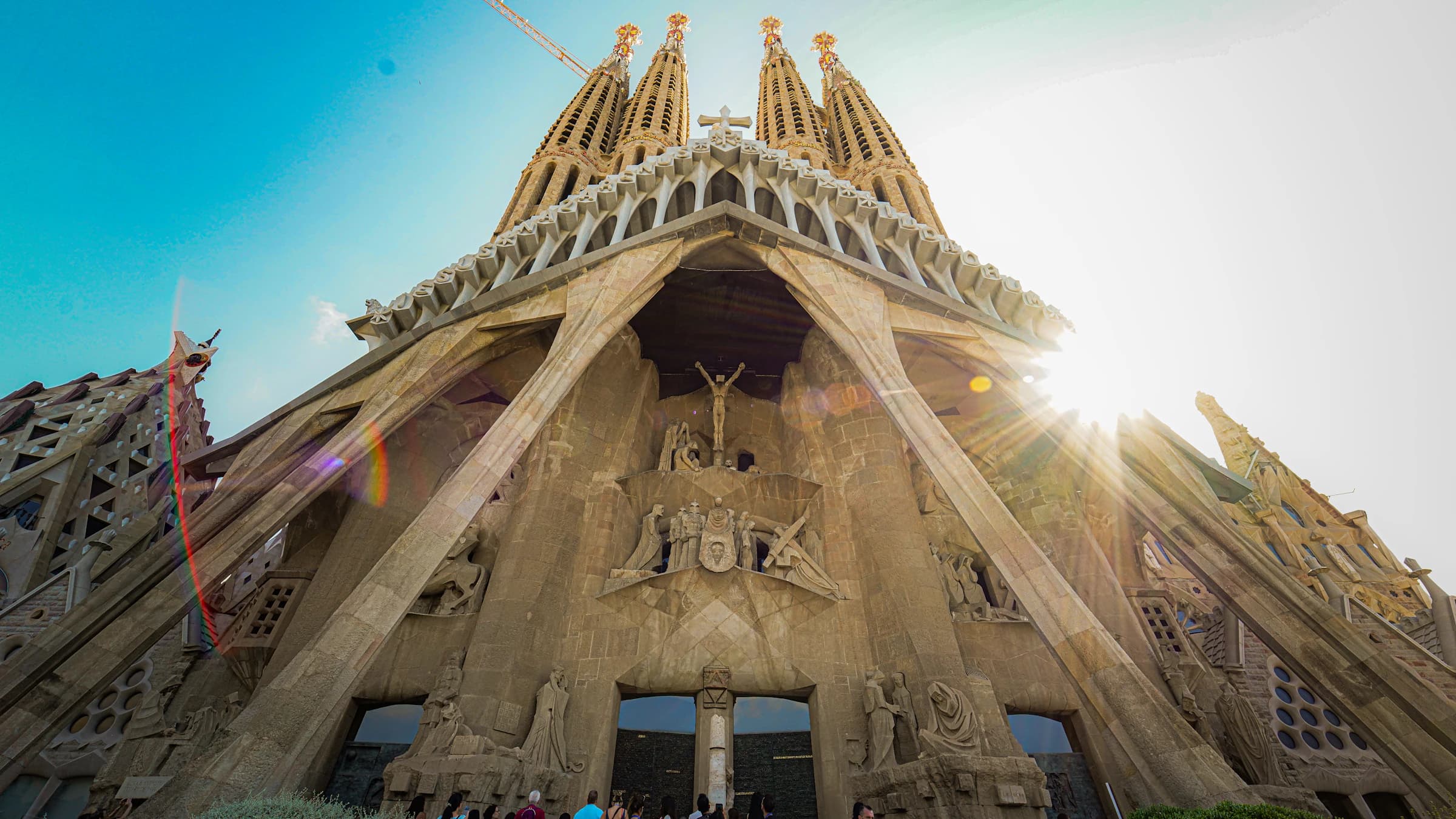
Use a simple sequence: notice, describe, ask, verify. Write down one observation before seeking an explanation, then add the source or the question still unanswered. On a Unlocked Tours architectural tour, bring these questions to the guide rather than expecting every symbol to be decoded in advance. Sagrada Família façade tours and city routes have their own specified scope; monument admission is booked separately. Check the relevant product before planning an interior visit. When you continue to another building, repeat the method with a different material or form. You will build a set of comparisons instead of a list of sensational claims, and your own observations will remain part of the experience.
Sources and further reading
Bring the story to life
Compare routes, durations and languages, then choose the tour that fits your trip.
Explore our tours ↗