How to read the Sagrada Família façades
A practical approach to the Nativity and Passion façades: composition, visual contrasts and questions for a guided architectural tour.
Two views of the same building can tell very different stories. At the Sagrada Família, looking for those differences is more rewarding than trying to decode every sculpture immediately. This guide proposes a comparison you can actually use: begin with the mood of the whole composition, examine the relationship between figures and space, then ask how that visual language supports a story. Bring curiosity rather than a demand to understand every symbol.
At a glance
- Compare mood, gestures and the use of space.
- Keep observation, documented meaning and imagination separate.
- Use official booklets for specific questions, not memorisation.
- Plan façade interpretation and basilica admission as distinct services.
Notice the overall mood
Before concentrating on a figure, describe the whole composition with three ordinary words. You might choose dense, calm, sharp, flowing, crowded or open. These impressions are a starting point for observation, not authoritative art-historical labels. Next, ask what produced them: the distance between figures, their gestures, the direction of lines or the strength of shadows. Return to the same words after hearing an explanation and see whether they still fit. This comparison between first impression and informed attention is useful because it makes learning visible. A guide’s explanation becomes a way to test what you noticed rather than something you must repeat exactly.
The Nativity: finding a visual thread
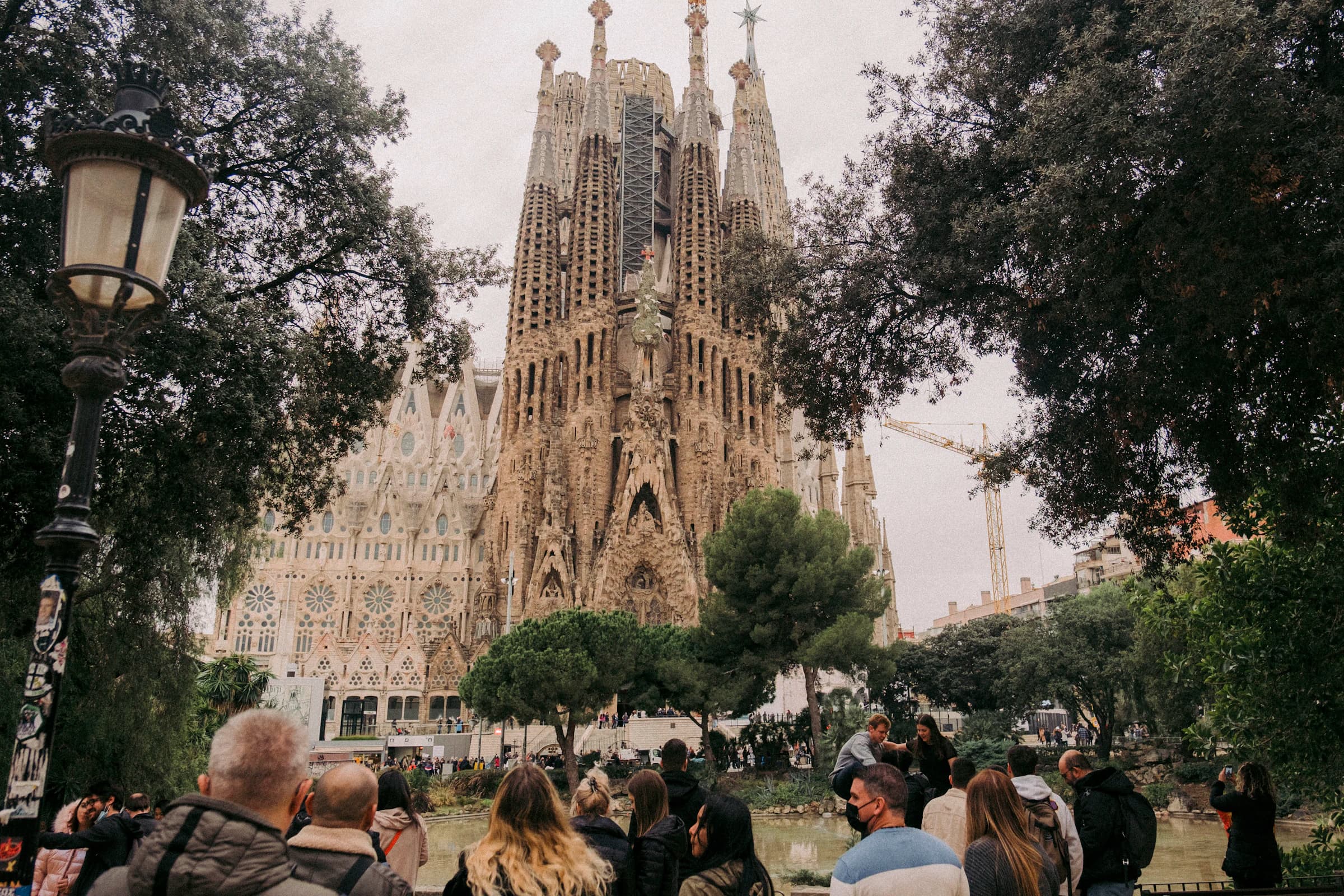
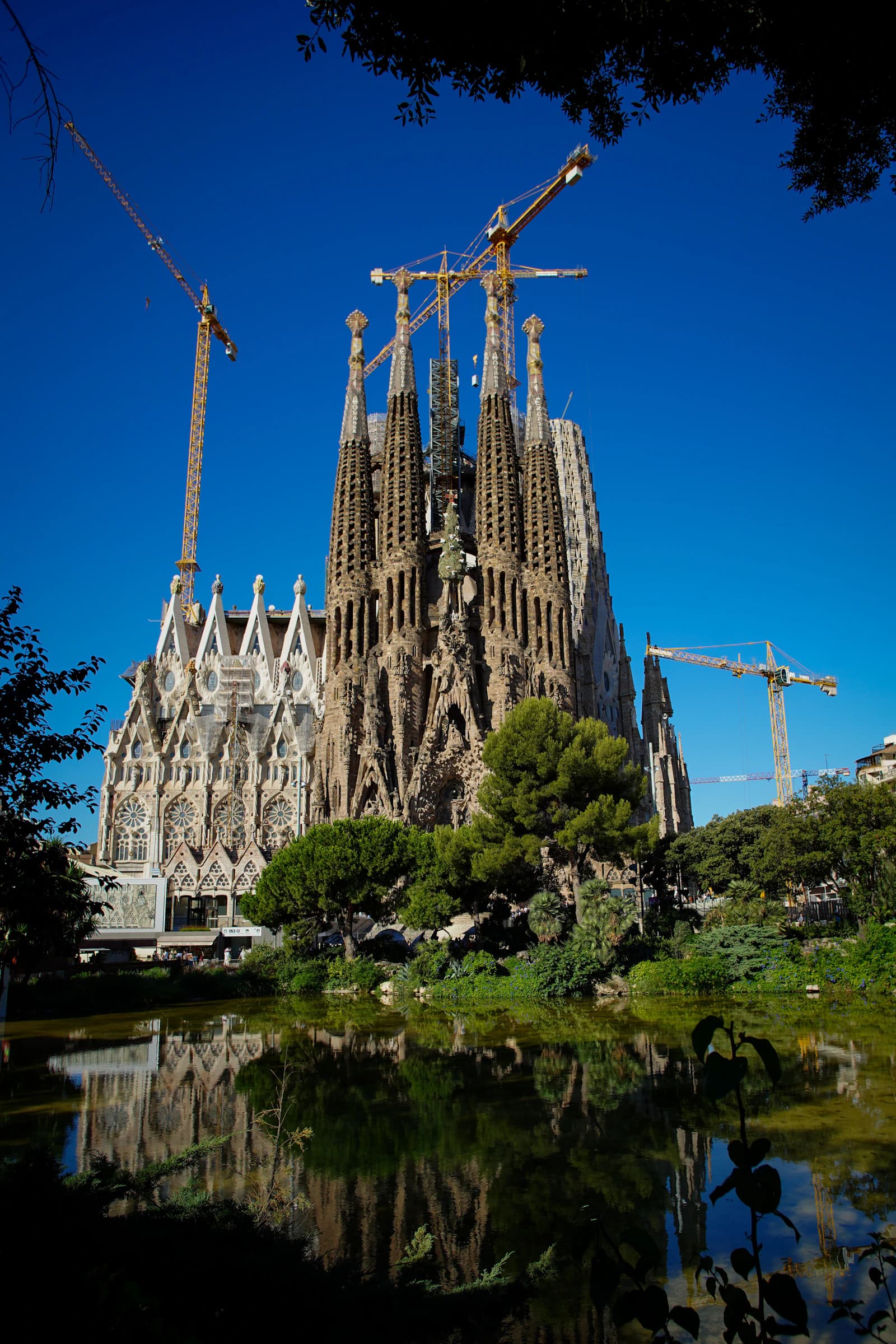
The Nativity façade centres on the birth of Jesus. Instead of attempting to identify every small element, select one group of figures and trace its relationship to the larger arrangement. Ask where your eye goes first and what leads it towards another detail. If several people are looking together, compare the element each person noticed before discussing meanings. The foundation’s Nativity booklet is the reference for documented explanations. Let it answer specific questions instead of using it as a script to memorise. An unanswered question is more valuable than a confident interpretation you cannot connect to a source or an actual visible element.
The Passion: figures and empty space
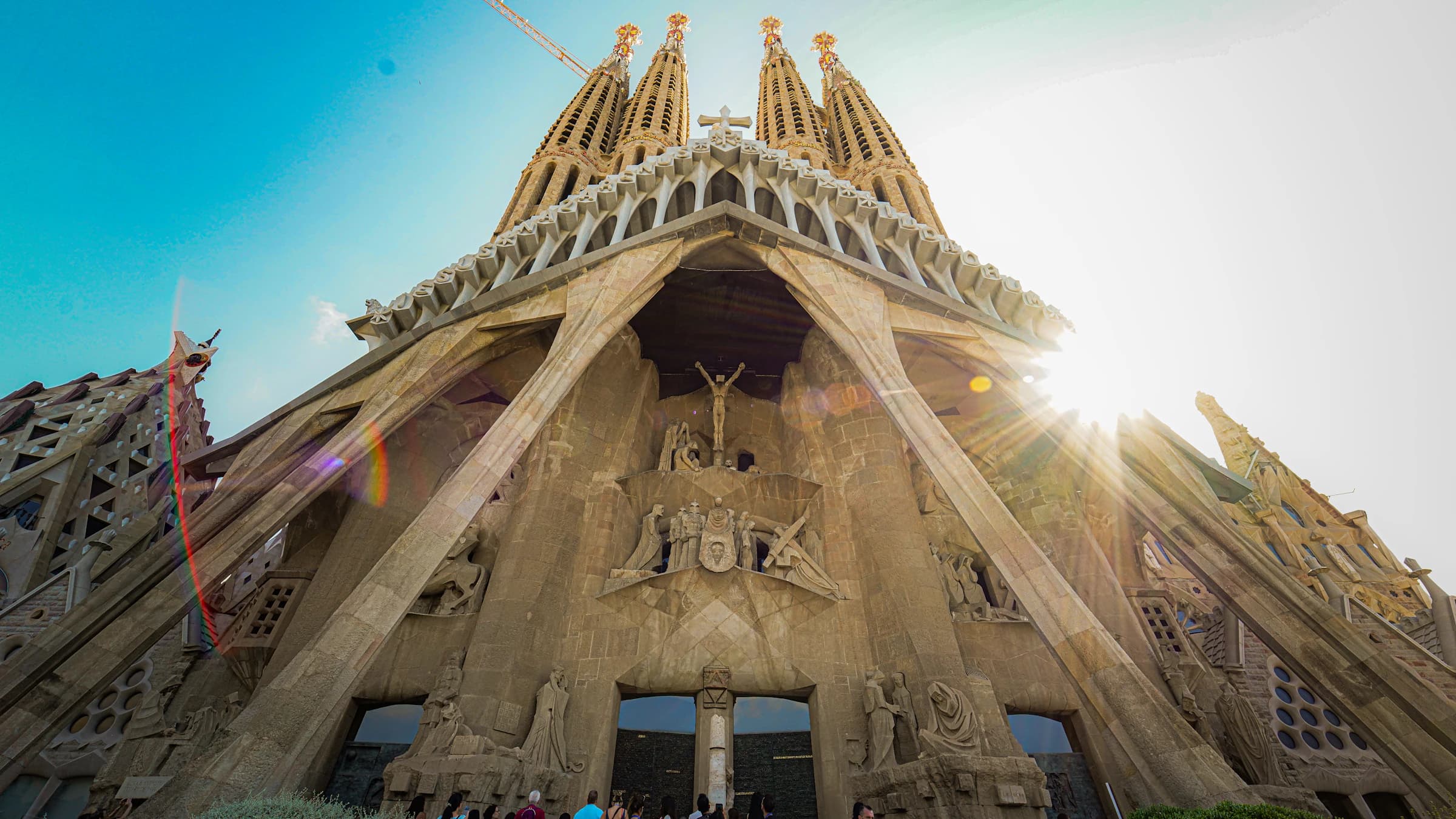
The Passion façade addresses Jesus’ suffering and death; Josep Maria Subirachs created its angular sculptural scenes. This brief context gives you a basis for comparison without requiring a catalogue of every episode. Study the spaces between figures as carefully as the figures themselves. Ask how separation, posture and direction make an interaction feel tense or isolated. A useful discussion can begin with one gesture and explore several possible reactions to it. Distinguish the story being represented from your emotional response to its presentation. The Passion booklet can help resolve factual questions, while your own response need not match everyone else’s.
Separate observation from interpretation
Use three headings in a small note: seen, explained, still uncertain. Under seen, record a shape, position or gesture. Under explained, add a meaning supported by a guide or reliable publication. Under uncertain, keep a question for later. This habit prevents a common mistake: treating a memorable association as proof of the artist’s intention. It also improves conversations with children, who may spot connections adults overlook. Ask why something reminds them of an animal or object, then investigate whether that association is documented. You can enjoy imaginative responses while remaining precise about what is known and what you are suggesting.
Photograph a comparison, not only a landmark
If you take photographs, build a small pair that illustrates your question. One image can show a figure in its surrounding composition; another can isolate the gesture or texture you want to remember. Do not seek an identical framing for different arrangements merely for symmetry. The image should explain the observation, not flatten the contrast. Keep pedestrian routes clear and avoid following the camera backwards without checking your footing. Later, add a short caption in your own words. A photograph with one accurate sentence is often more useful than dozens of images whose subjects you can no longer place in the story.
Turn the comparison into a visit plan
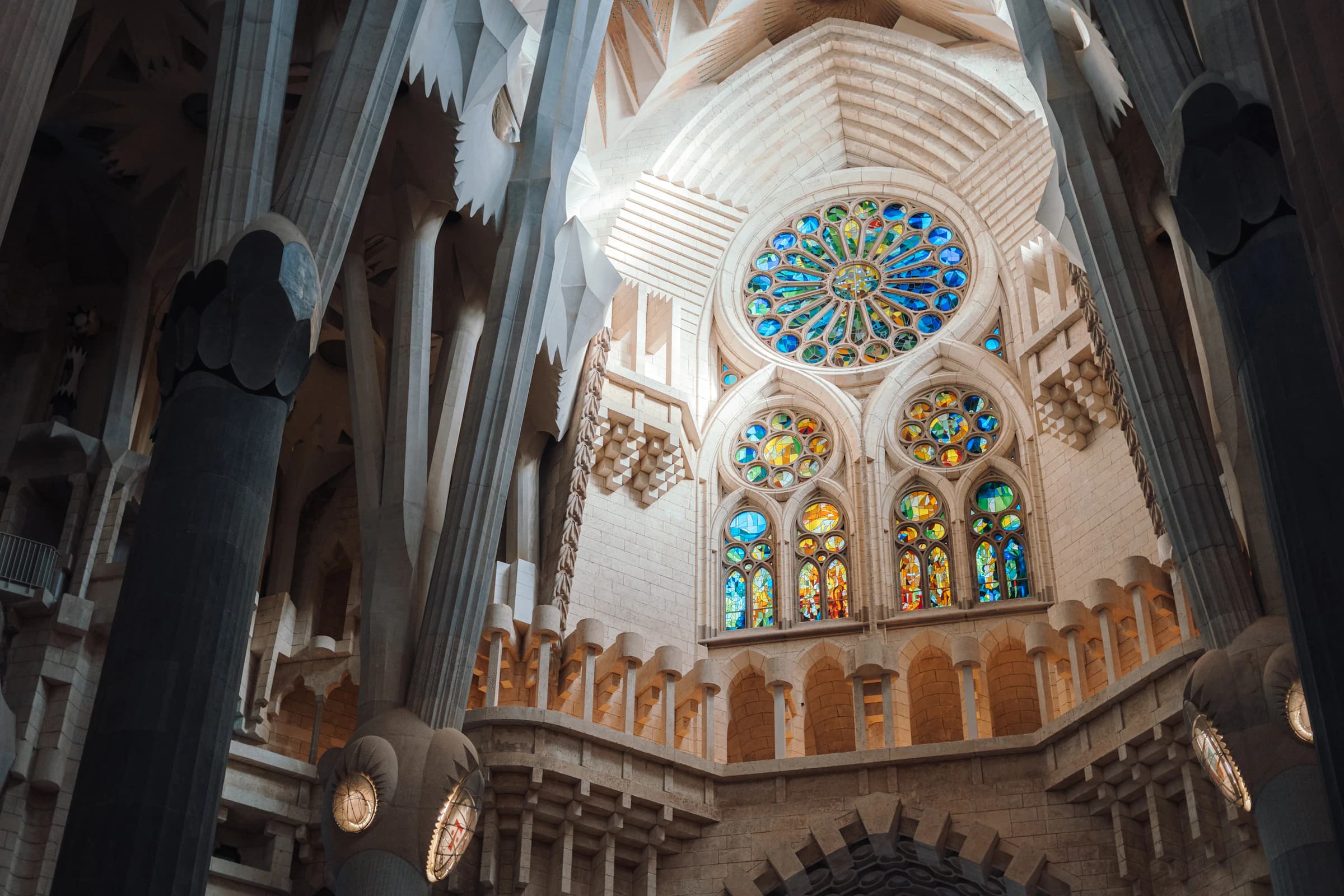
Choose enough time for explanation and questions rather than planning to race between viewpoints. Unlocked Tours’ Sagrada Família tours interpret the façades; admission to the basilica is a separate booking. If you want both, keep their schedules and meeting instructions distinct. The architectural project’s official materials are useful for understanding the wider design, but do not assume a drawing proves that every element is already complete or accessible today. Check current information directly with the monument for access. Finish the tour by naming one contrast you can explain clearly. That is a stronger result than leaving with a list of uncertain symbols or an invented promise about what a ticket includes.
Sources and further reading
Bring the story to life
Compare routes, durations and languages, then choose the tour that fits your trip.
Explore our tours ↗