Sagrada Família: a guide for your first visit
Understand the Sagrada Família before visiting: architecture, useful questions, admission planning and a calmer Barcelona itinerary.
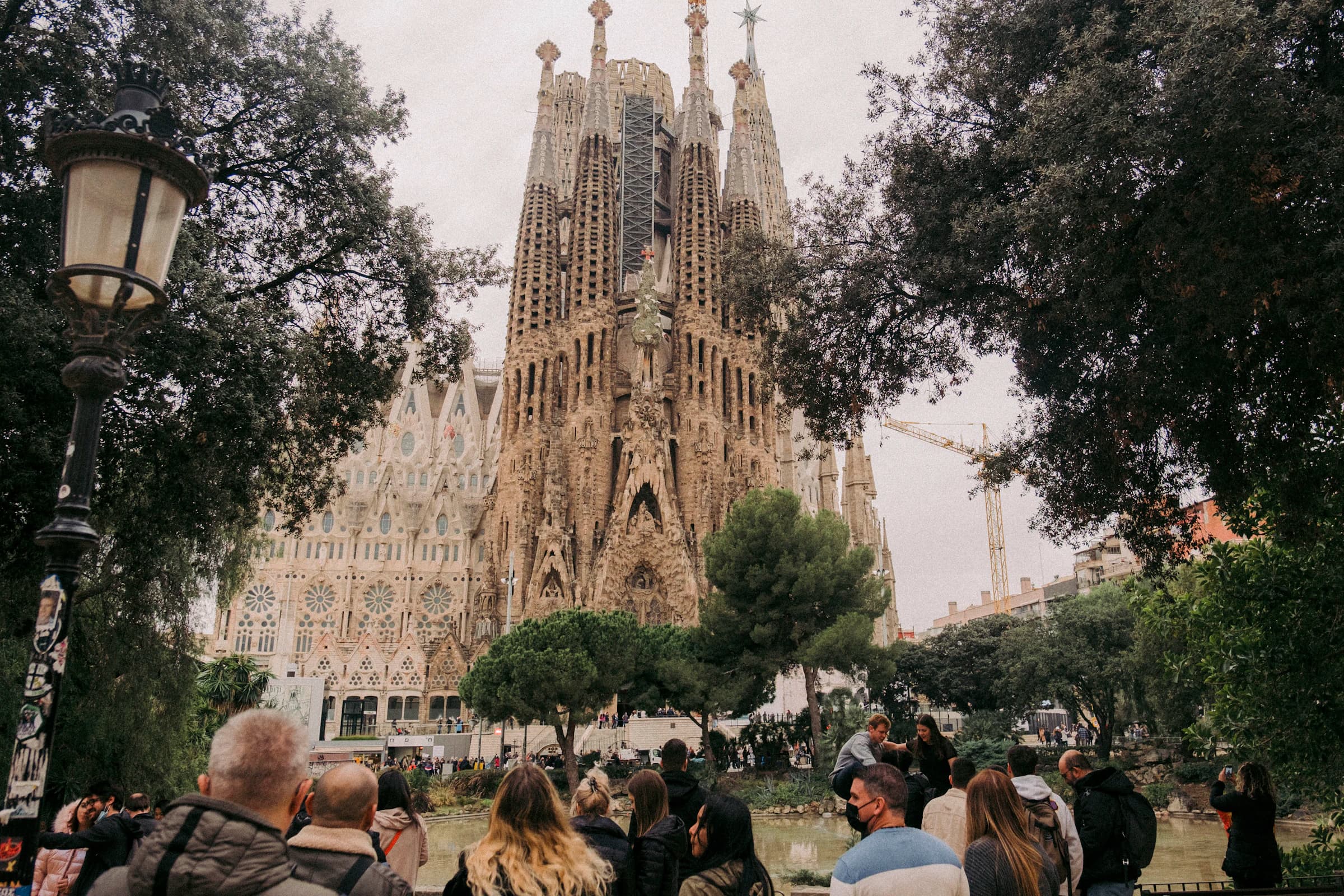
The Sagrada Família is easier to appreciate when you stop treating it as a single photograph. A useful first visit connects what you notice with the questions you bring: who made it, what its images communicate and how your chosen experience works. This guide offers a way to prepare without memorising an entire architectural history or building your day around an exhausting checklist.
At a glance
- Choose a clear question and follow it through the visit.
- Distinguish façade interpretation from separately booked basilica admission.
- Leave space between timed plans and confirm the actual meeting point.
Start with a question, not a checklist
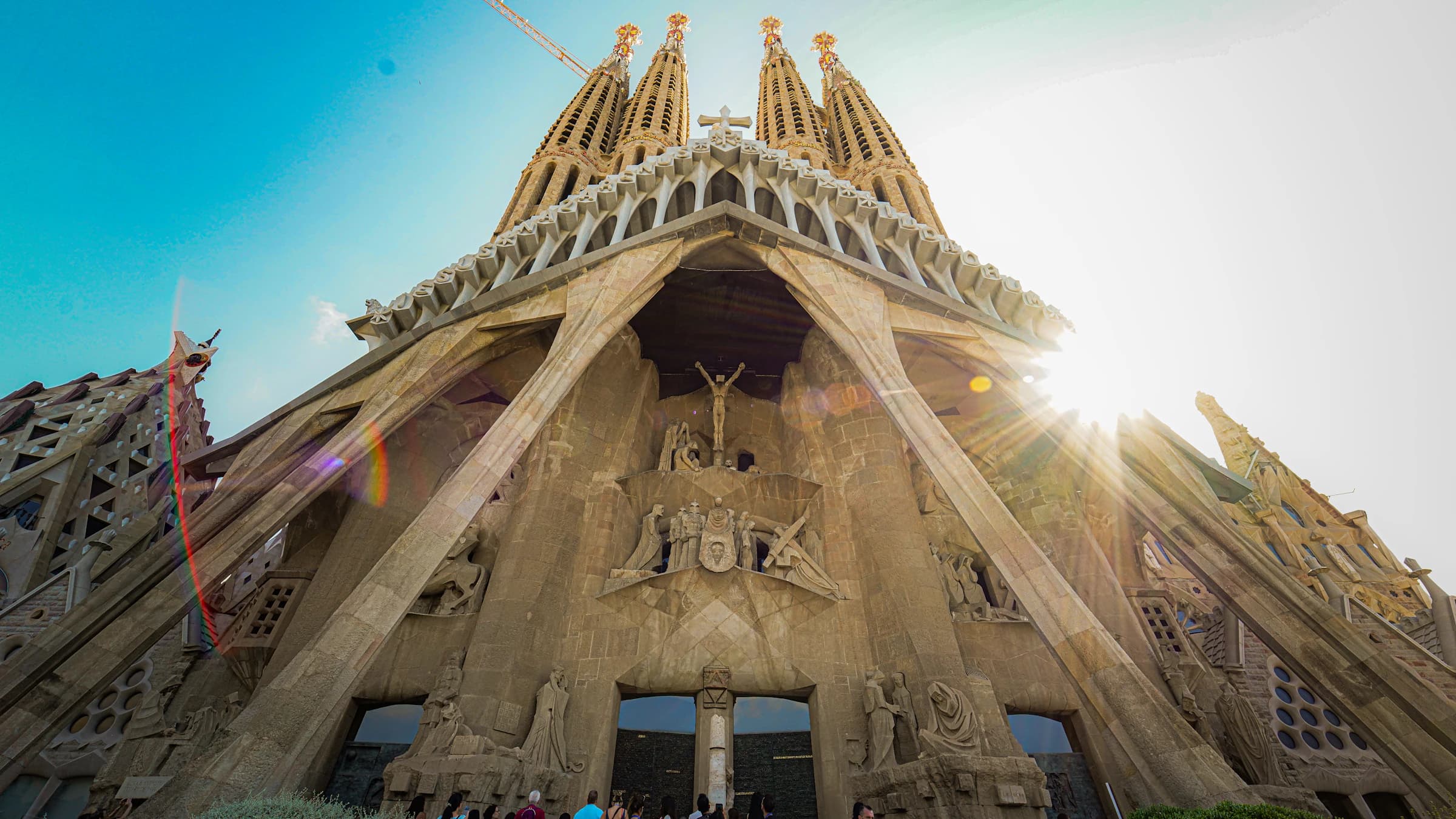
Choose one question before arriving. You might ask how a religious story becomes sculpture, why two façades feel so different, or how a building can express the ambitions of successive generations. That question gives the many details an organising thread. First take in the overall composition, then pick a smaller element and describe it in ordinary language. You do not need technical vocabulary to notice contrast, scale or rhythm. If you are travelling with others, let each person choose a question. Comparing those choices creates a more personal conversation than trying to identify everything at once.
A short historical anchor
Construction began in 1882; Gaudí took over the project in 1883. Those two dates are enough to start. The important visitor question is not simply how long the work has taken, but how you distinguish an original idea from its later interpretation. Avoid assuming that every element was personally completed by Gaudí. Ask which part of the story belongs to the architect, which to collaborators and which to later makers. Keep a simple note with those three categories. It helps you listen actively to explanations rather than collect a sequence of names that become difficult to remember afterwards.
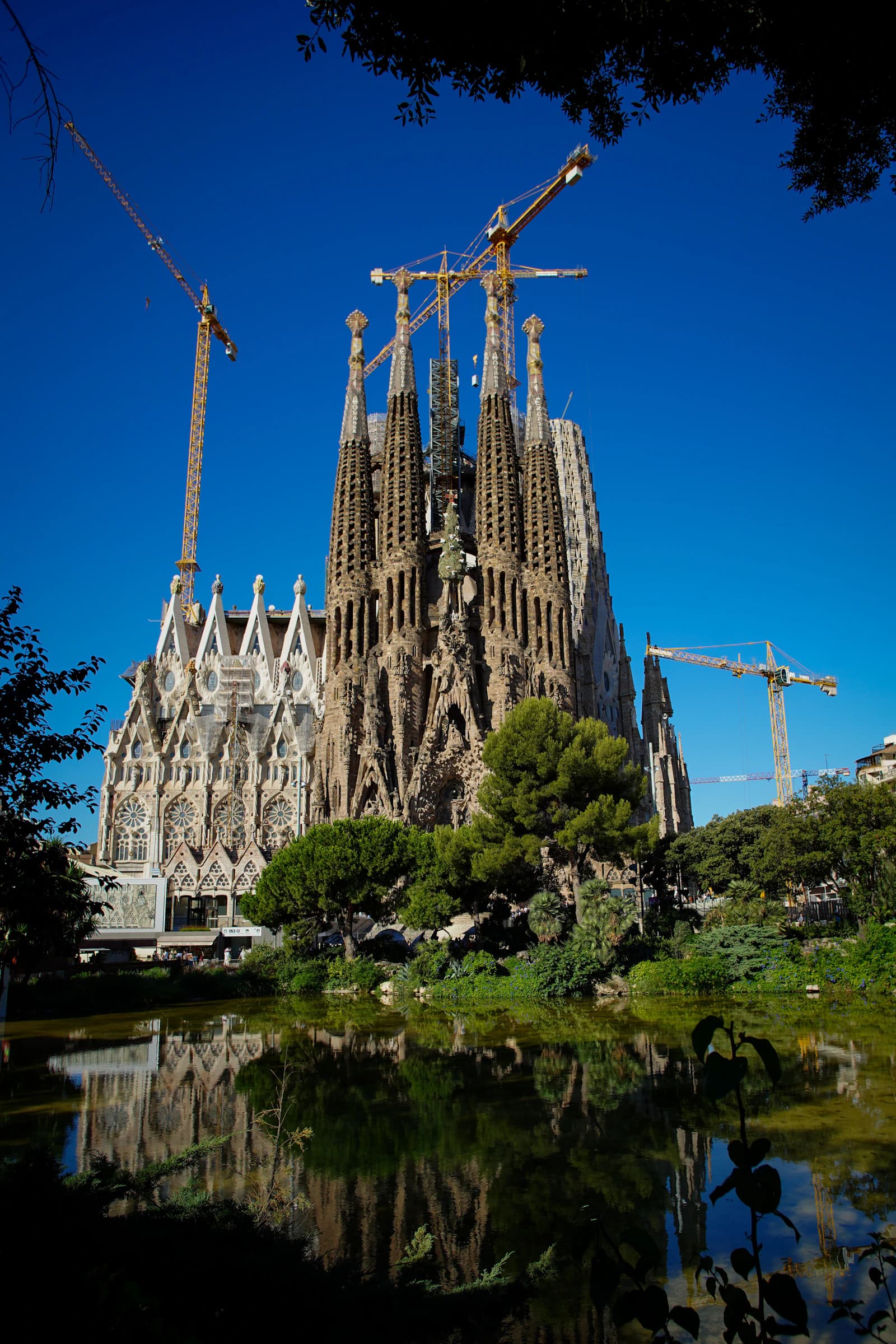
Look at composition before individual symbols
Try a slow visual sequence: overall shape, large groups, then individual details. A dense arrangement may invite you to connect many small scenes; a more open arrangement can make a single figure feel more dramatic. These are useful observations, rather than a test with one correct answer. The foundation publishes booklets about the building’s architecture and symbolism, which are a good starting point for questions that deserve a documented explanation. Avoid assigning a hidden message to every shape merely because it resembles something familiar. Separate what you see, what a source explains and what you imagine.
Choose your experience precisely
A guided tour of the Sagrada Família façades and a visit inside the basilica are different services. Unlocked Tours’ relevant tours explain the façades; basilica admission is booked separately. Decide whether you want architectural context, interior access or both, then arrange the two plans without assuming one reservation covers everything. Check the monument’s current official visitor information before buying admission. For any tour, read the duration, language, meeting instructions and cancellation conditions. If the meeting address is not yet specified, ask for it rather than selecting a convenient-looking entrance and hoping it is the right one.
Build room into your day
Put your most important timed reservation first when organising the day, then allow a realistic gap before and after it. A journey on a map does not include finding the meeting point, using a bathroom or waiting for someone who walks more slowly. Do not treat a tightly packed itinerary as a measure of success. You may enjoy one clear explanation and time to absorb it more than several hurried attractions. With children, decide in advance who handles tickets and who keeps the group together. For accessibility questions, describe your actual needs instead of relying on a general label.
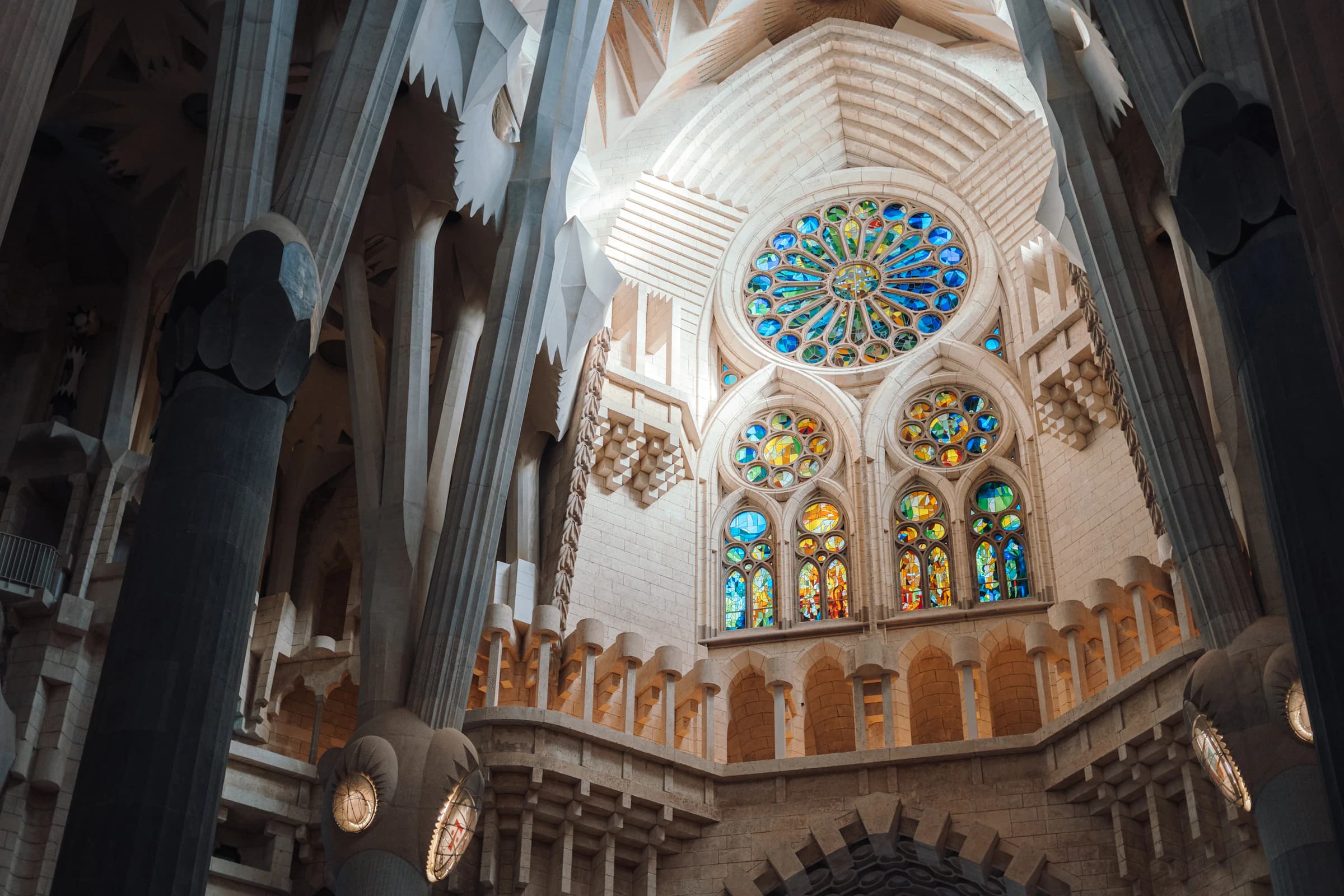
Leave with a useful memory
Before moving on, write down one detail you noticed and one question still open. This simple habit makes the visit easier to recall than a large camera roll without context. Use photographs to support the detail: a wider image for orientation and a closer view for the subject, where taking photos is permitted. Later, compare your notes with a reliable source rather than an anonymous claim shared online. If you continue to another Gaudí building, carry the same question with you. The comparison can reveal a different use of materials or storytelling without turning the day into a competition between monuments.
Sources and further reading
Bring the story to life
Compare routes, durations and languages, then choose the tour that fits your trip.
Explore our tours ↗