First time in Barcelona: decisions that make the trip easier
Prepare your first Barcelona visit by choosing a base, understanding bookings and connecting neighbourhoods without overloading the itinerary.
A first visit involves more decisions than a list of attractions suggests. Where should you stay, which visits need advance attention, how much walking feels comfortable and what counts as a confirmed booking? Answering these questions makes famous places easier to enjoy. Start by deciding how you want the trip to feel: concentrated, curious or unhurried. You can then choose a route that supports that pace. This guide focuses on preparation rather than rankings, leaving you free to select the buildings and neighbourhoods that interest you.
At a glance
- Choose accommodation around your actual movements and return route, rather than an abstract claim that one neighbourhood is best for everyone.
- Distinguish guiding, admission and transport; keep the confirmation and ask precise questions about any inclusion that remains uncertain.
- Use contrasts between streets and buildings to orient yourself, then adjust your itinerary after the first day instead of adding every recommendation.
Choose a base by your daily movements
Instead of searching for a universally best area, compare your accommodation with the places you genuinely want to visit. Look at the route back in the evening, nearby transport and the distance to your first commitment. A room beside one landmark is not necessarily convenient for the rest of your trip. Decide whether you value a quieter return, fewer transfers or easy access to a particular neighbourhood. Read the accommodation’s actual access instructions, especially for a late arrival. Once you choose, plan your first short walk nearby so orientation does not require an immediate cross-city journey.
Keep three types of reservation distinct
Separate your plans into guided experiences, admission to buildings and transport. Each has its own provider, conditions and proof of purchase. An attractive product photograph does not establish what is included. Before paying, be able to explain the service in one sentence: what happens, in which language and where it begins. Check the total, participant categories and cancellation rules. Save the confirmation somewhere easy to find. If a detail remains unclear, ask a specific question before checkout rather than assume it is standard across every operator or every Barcelona attraction.
Learn the city through contrasts
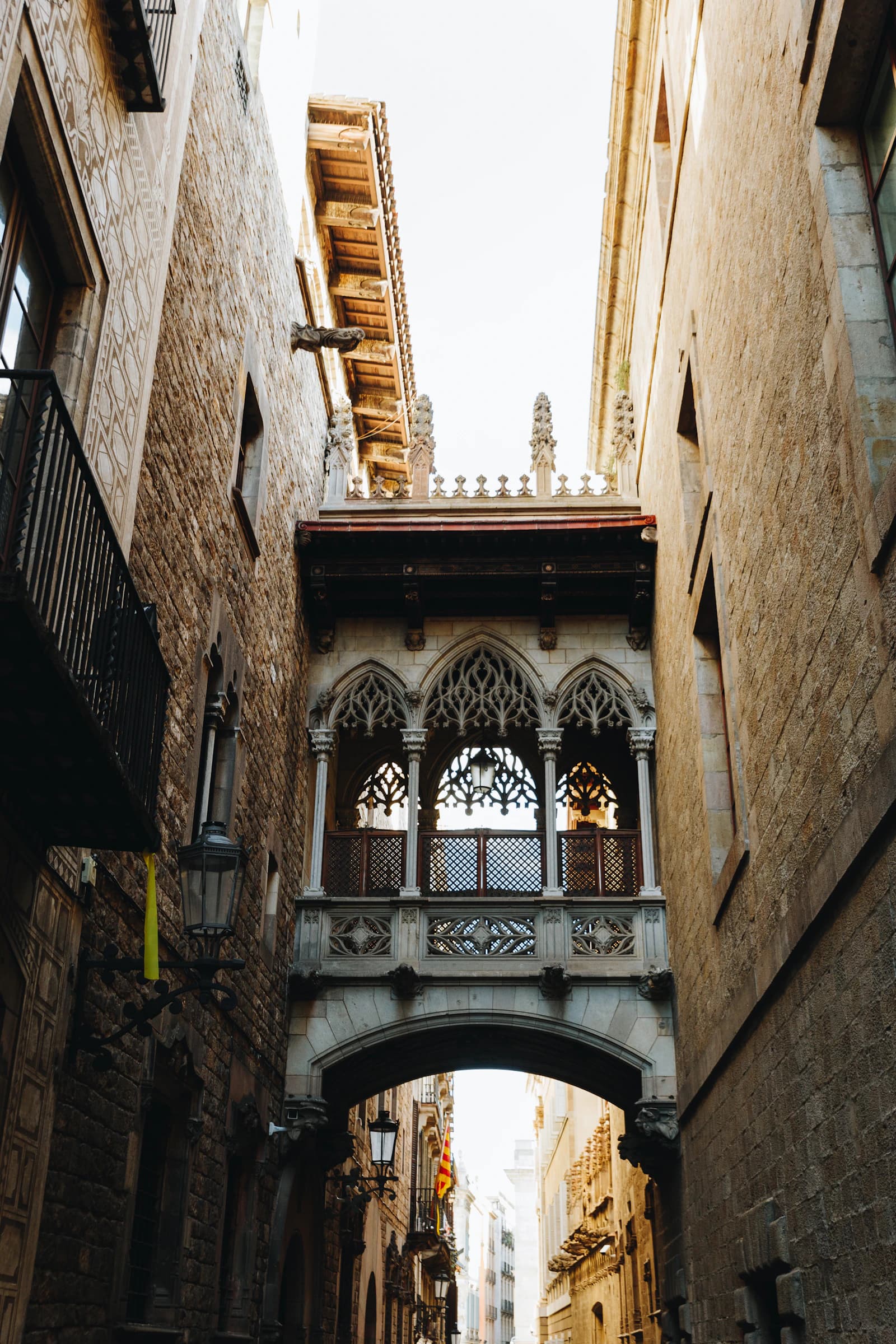
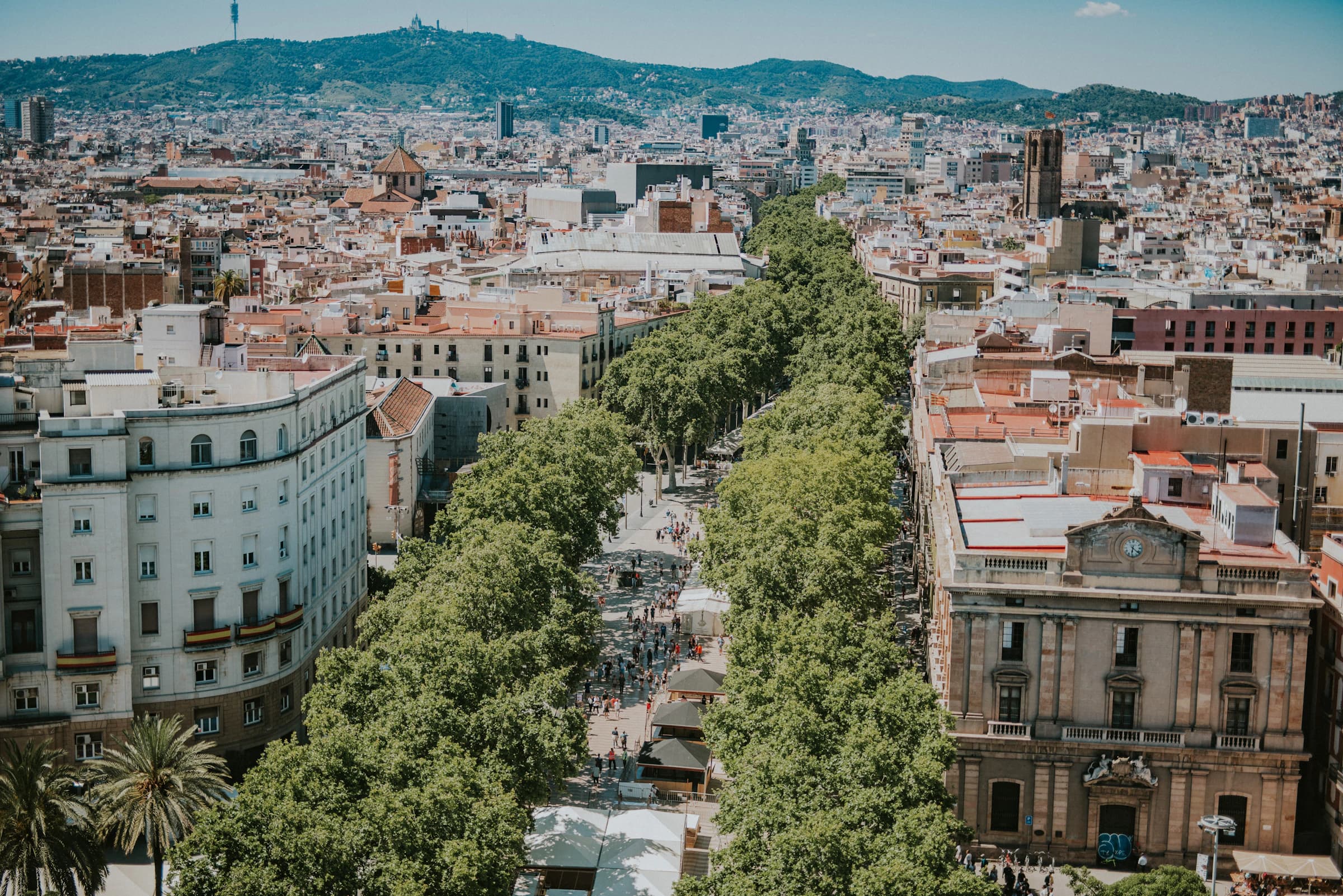
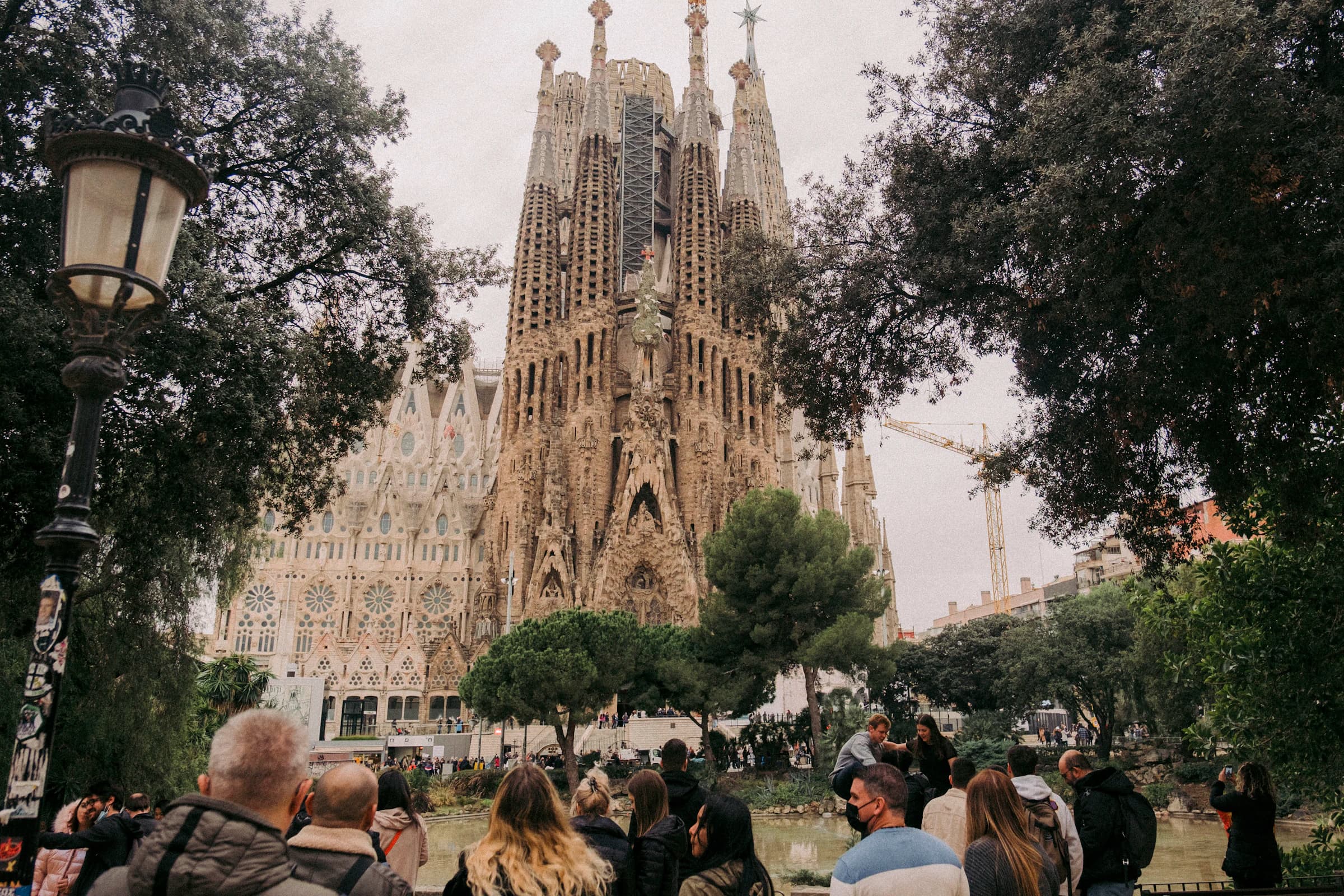
You do not need a complete historical chronology before arriving. Use a few contrasting settings to build orientation: a broad architectural avenue, a smaller old-city street and a place to pause. Compare the distance between buildings, the use of the ground floor and where people stop. This creates a way to read the city that remains useful outside the famous locations. Take fewer photographs with a clearer purpose. A picture of an entire street and a detail you can describe may preserve more understanding than many near-identical images taken while following a hurried checklist.
Check how transport fits your route
TMB provides visitor information and current ticket descriptions, which are better starting points than an old price quoted in a travel forum. Make a rough count of your intended journeys before choosing a product. Consider airport travel separately and read its conditions rather than assume every ticket covers it. Check the actual station or stop near your accommodation, including walking to the entrance. Keep a backup route for your most important reservation. Your aim is not to find a perfect universal pass, but to understand the product appropriate for the movements you will actually make.
Give practical needs a place in the plan
Discuss walking pace, breaks and accessibility before selecting a long route. Describe a concrete need, such as avoiding steps or having regular seated pauses, instead of relying on a general accessibility label. Carry only what is useful for the day and keep important documents available without constantly displaying them in a crowded street. When stopping for a photograph, move out of the walking line. Be considerate around homes and places of worship. These simple habits support a calmer visit and make it easier for your group to stay together without treating everyday streets as a private stage.
Use the first evening to refine the rest
After your first walk, ask what felt comfortable and what needed more time. Adjust tomorrow before collecting more recommendations. If your arrival journey was tiring, keep the next morning lighter; if one theme captured everyone’s interest, build on it. A guided introduction can help you choose which place deserves an independent return, but no tour needs to settle every question. Keep a short note of interests rather than a growing list of obligations. The most useful outcome of a first visit is having a clearer sense of the city and the confidence to make your own next choice.
Sources and further reading
Bring the story to life
Compare routes, durations and languages, then choose the tour that fits your trip.
Explore our tours ↗