Barcelona in one day: choose a clear route
A realistic Barcelona day built around one priority, nearby neighbourhoods and room for food, transport and a confirmed meeting point.
One day in Barcelona works best when you choose what the day is about. It could be your first encounter with Gaudí, a walk through older streets or a relaxed introduction before boarding a ship. Trying to give every famous attraction equal weight makes the itinerary fragile. This plan uses one fixed experience, one connected neighbourhood and a flexible ending. It is a suggested way to arrange your time, not a promise that all stops fit every arrival, walking pace or weather condition.
At a glance
- Choose one main experience and protect the time around it; treat extra stops as options that can disappear without spoiling the day.
- Confirm what your reservation includes, the actual meeting instructions and the return journey before adding another timed activity.
- Plan food and rest alongside sightseeing. An itinerary should remain comfortable for the slowest person in your group, not just possible on a map.
A ready-to-use route for one full day
Allow roughly 6–8 usable hours, including lunch and pauses. These are our planning estimates, not official travel times or the duration of a booked tour. Interior visits need their own reservation and extra time. With only 3–4 hours, keep the Sagrada Família and Passeig de Gràcia and leave the old city for another visit.
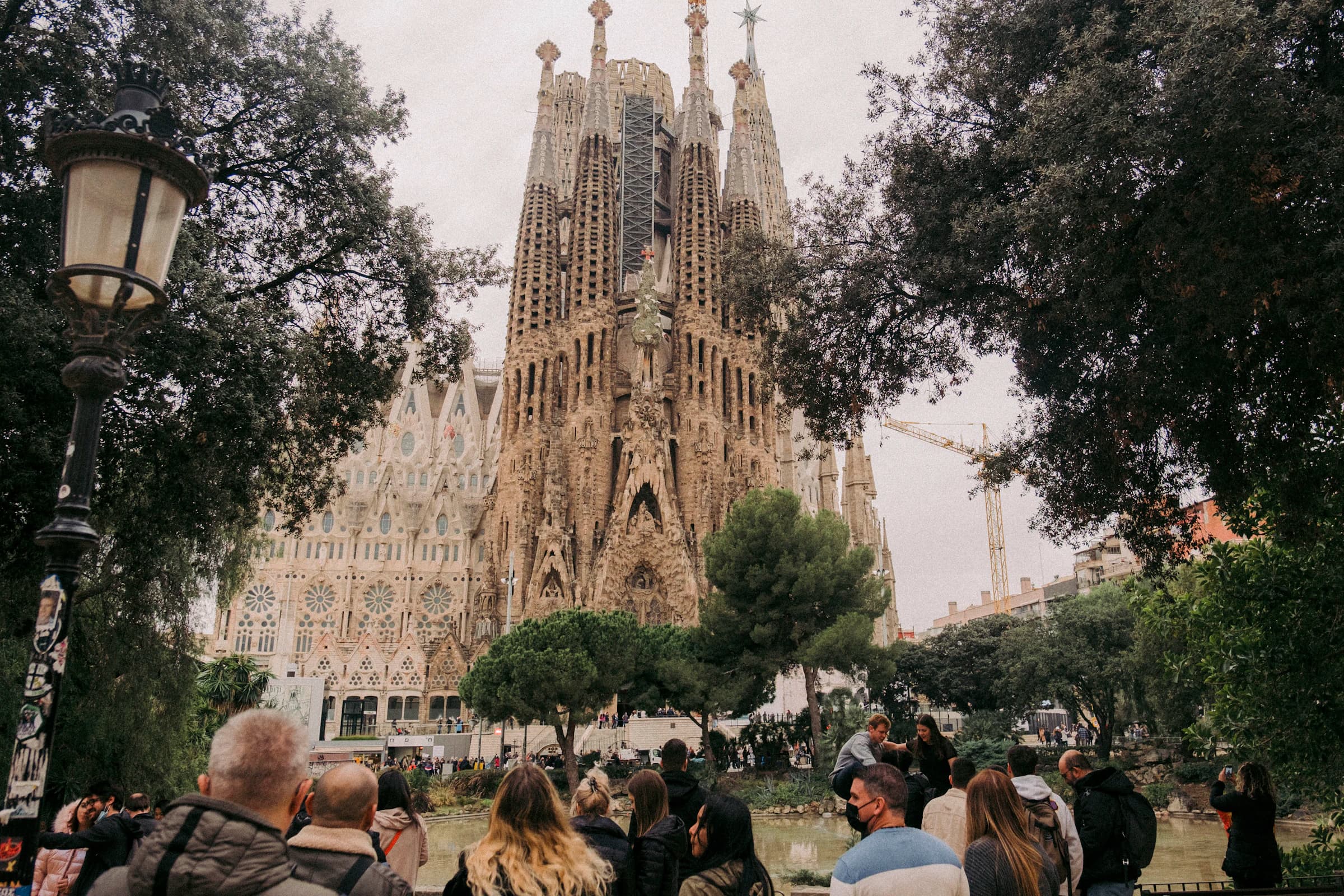
- Morning: Sagrada Família façades, about 60–90 minutes for independent observation. For an Unlocked Tours tour, use the confirmed duration and meeting instructions.
- Walk along Carrer de Provença towards La Pedrera, allowing about 25–35 minutes. Follow Passeig de Gràcia south to Casa Batlló; keep 45–60 minutes for the two façades and avenue.
- Lunch and a seated pause: leave 45–60 minutes around Passeig de Gràcia or Plaça de Catalunya.
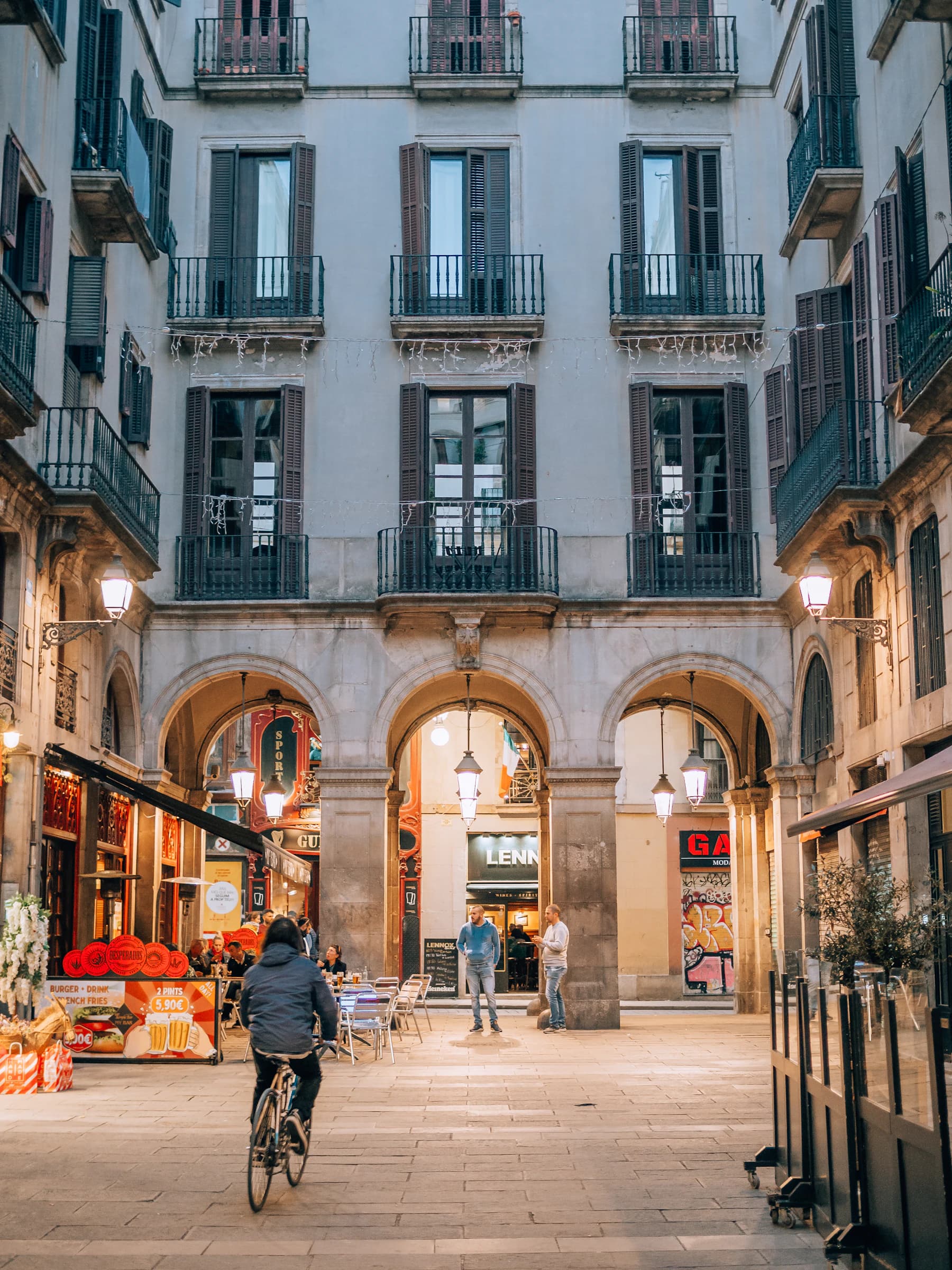
- Afternoon: Plaça de Catalunya → Avinguda del Portal de l’Àngel → Barcelona Cathedral → Carrer del Bisbe → Plaça de Sant Jaume. Allow 75–90 minutes for the street walk; cathedral admission is separate.
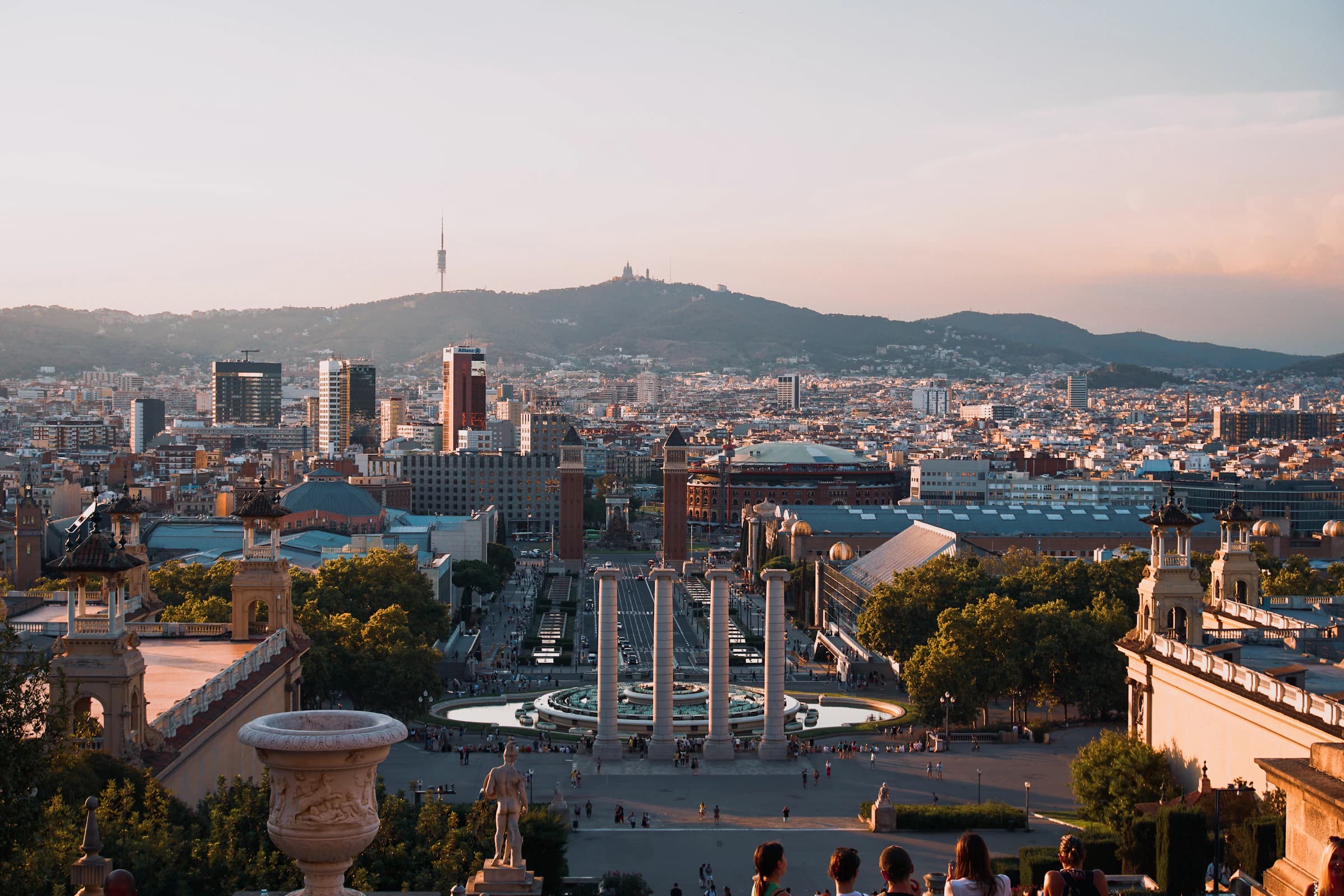
- Finish in the Gothic Quarter and check your return margin. Leave Park Güell and Montjuïc for another day. If adding a timed interior visit, shorten the afternoon.
Count usable time before choosing sights
Start with the hours you actually have between arrival and departure, not the number printed on your hotel booking. Include luggage, transfers and the time you must be back at a station or terminal. If you have only a short afternoon, call it a short afternoon and choose accordingly. Make your last essential movement visible in the plan. A comfortable margin before departure is more valuable than a final rushed photograph. Keep addresses available offline, and agree with your companions on which reservation would be hardest to replace if something runs late.
Give the Sagrada Família a defined role
For a Gaudí-focused day, make the Sagrada Família your main anchor. Decide whether you want to understand its façades, visit the basilica or arrange both as separate activities. Do not infer admission from a tour name or an image of the building. Unlocked Tours’ relevant walks explain the façades; admission is separate. Once you know exactly what you booked, protect enough space around it to find the meeting point and ask questions. Avoid immediately pairing it with another timed reservation across the city simply because a journey planner displays a short travel estimate.
Use one neighbourhood as the second chapter
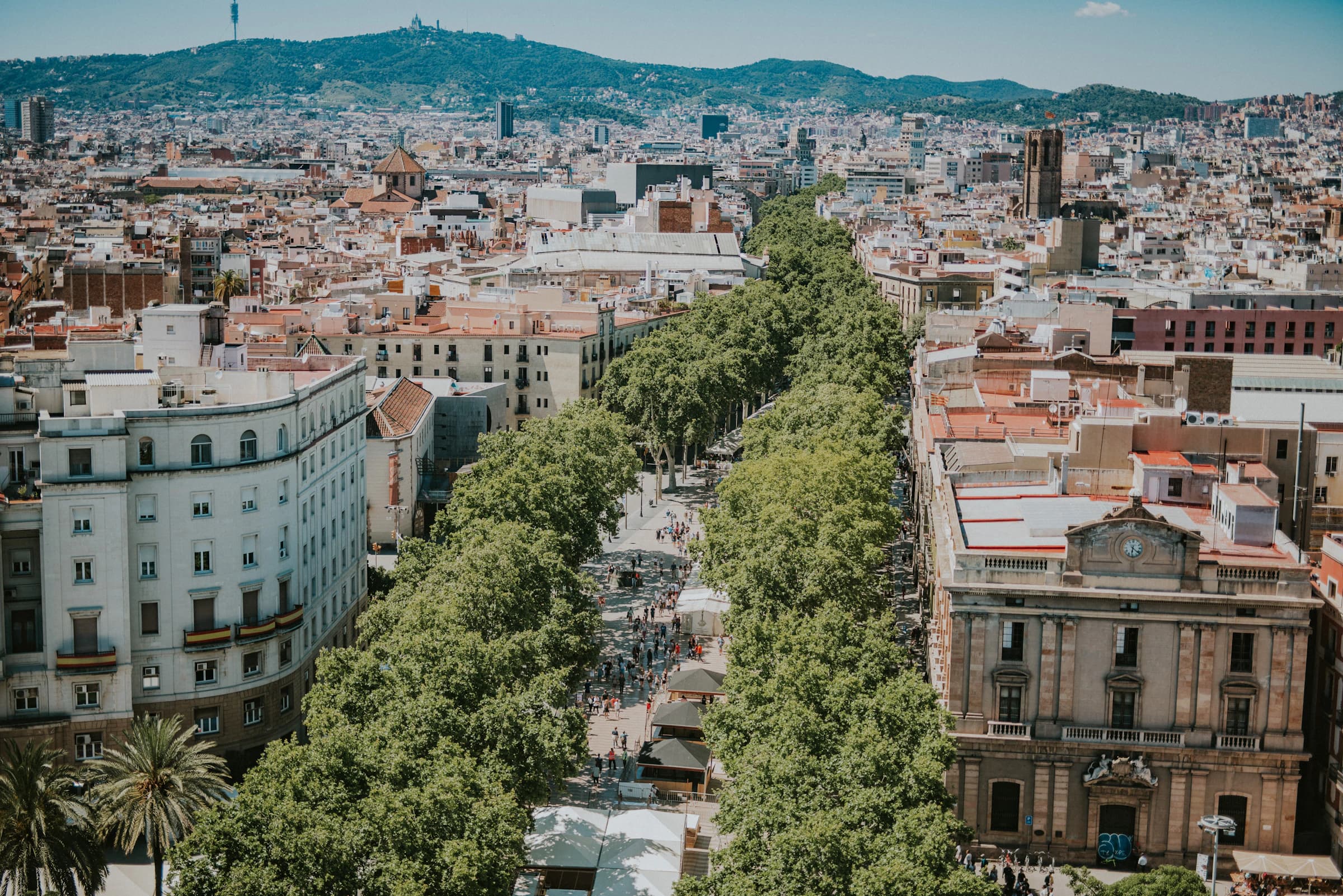
After your anchor, choose a second area with a different character. Passeig de Gràcia suits a day about architectural observation; the Gothic Quarter suits a day about street scale and older urban spaces. These are alternatives rather than compulsory additions to the same checklist. Select a few connected streets and let one detail lead to the next. Leave time to look back at a façade, sit down or change direction. If you need to return to the first area later, reconsider the order: a route that doubles back often spends its best energy on transfers.
Treat transport as a decision, not a shortcut
Check the current TMB route before travelling, including your actual start and finish. Station access, walking to platforms and finding the right exit all use time. A bus may suit someone who wants to watch the streets; a metro journey may suit a longer movement between neighbourhoods. Neither makes a tightly packed day automatically sensible. Verify the ticket you need rather than assuming an airport product and a city journey share identical conditions. Keep your return route simple enough that you can explain it without looking at a screen at every junction.
Make lunch and a pause part of the route
Choose a stopping area near the next chapter instead of travelling somewhere solely because a list calls it essential. Discuss hunger and walking energy before the group becomes tired. A sit-down pause can decide whether the afternoon remains enjoyable. Avoid planning every meal to a precise minute unless you have an actual reservation. If a queue looks long, use a nearby alternative and keep the purpose of the day intact. Carry water when appropriate, and remember that a good route gives you choices rather than forcing everyone to follow a schedule despite their needs.
Finish with an optional view or a return
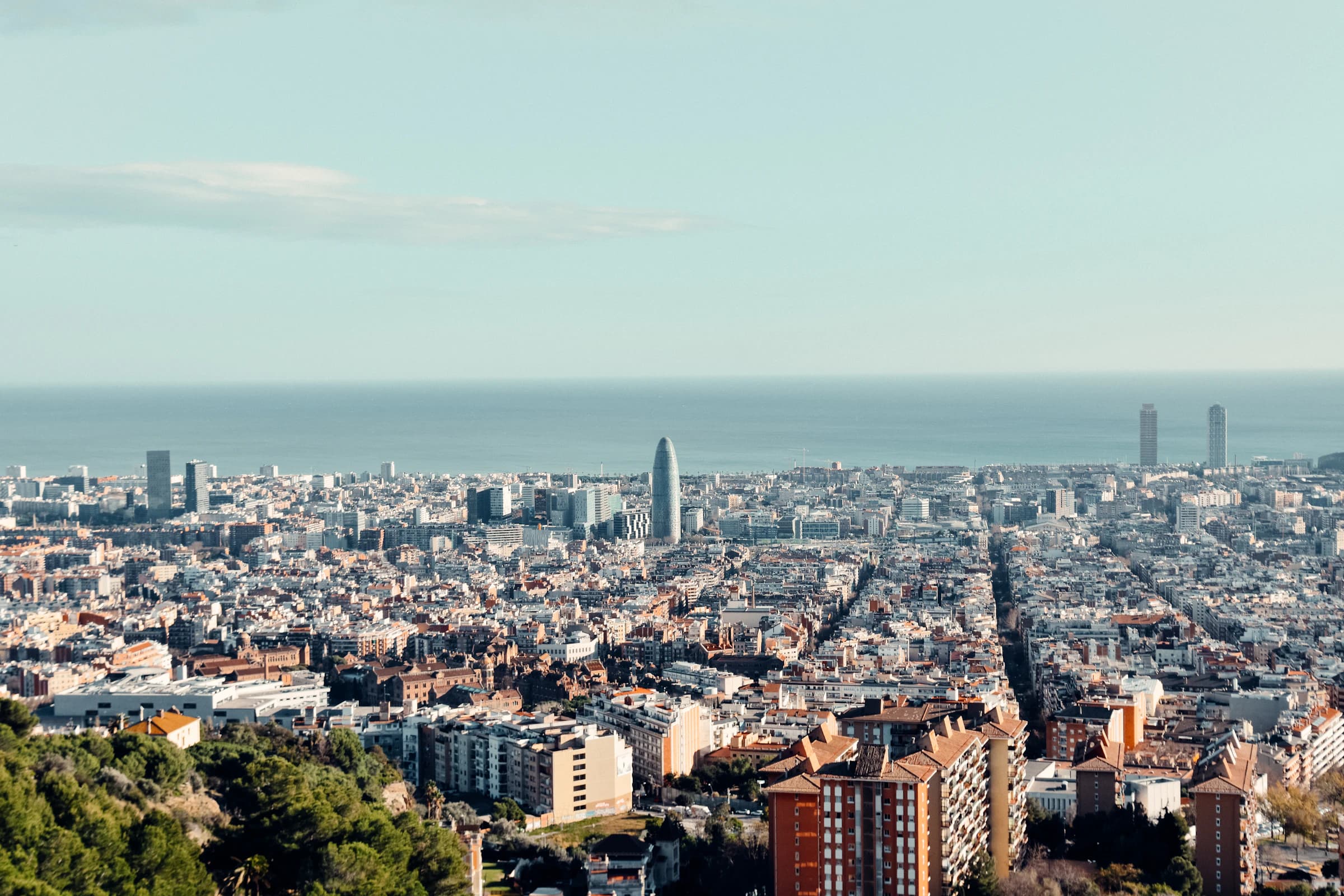
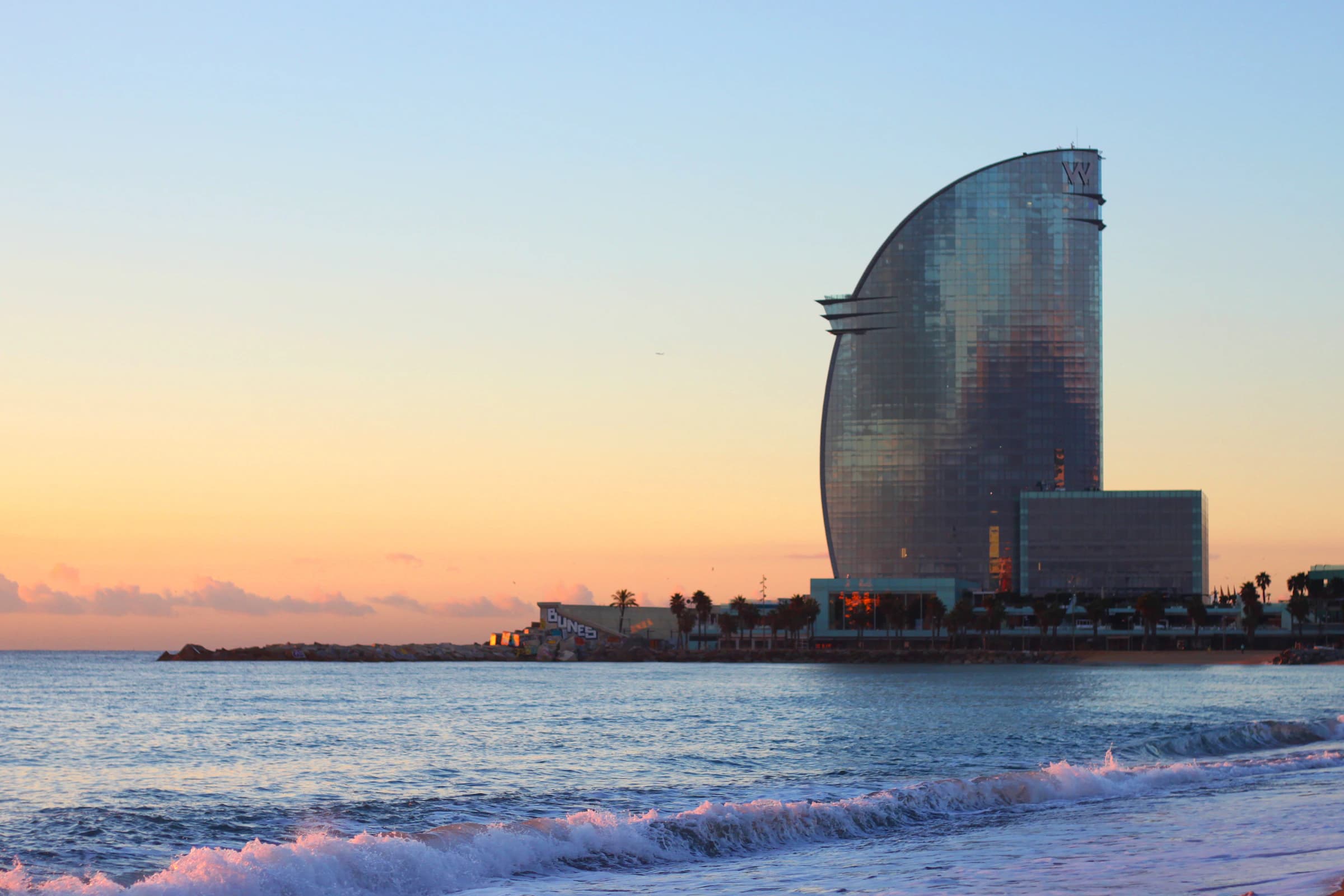
Your final chapter should be easy to remove. A short waterfront walk, another architectural detail or a café can provide a pleasant ending if time remains. They should not compete with a train, flight or ship departure. Before leaving the last planned neighbourhood, check your remaining margin and decide openly whether to continue or return. This prevents an optional stop from becoming an accidental obligation. End by sharing one thing each person understood better, rather than counting attractions. A single coherent day can give you a reason to return without pretending you have completed Barcelona.
Sources and further reading
Bring the story to life
Compare routes, durations and languages, then choose the tour that fits your trip.
Explore our tours ↗