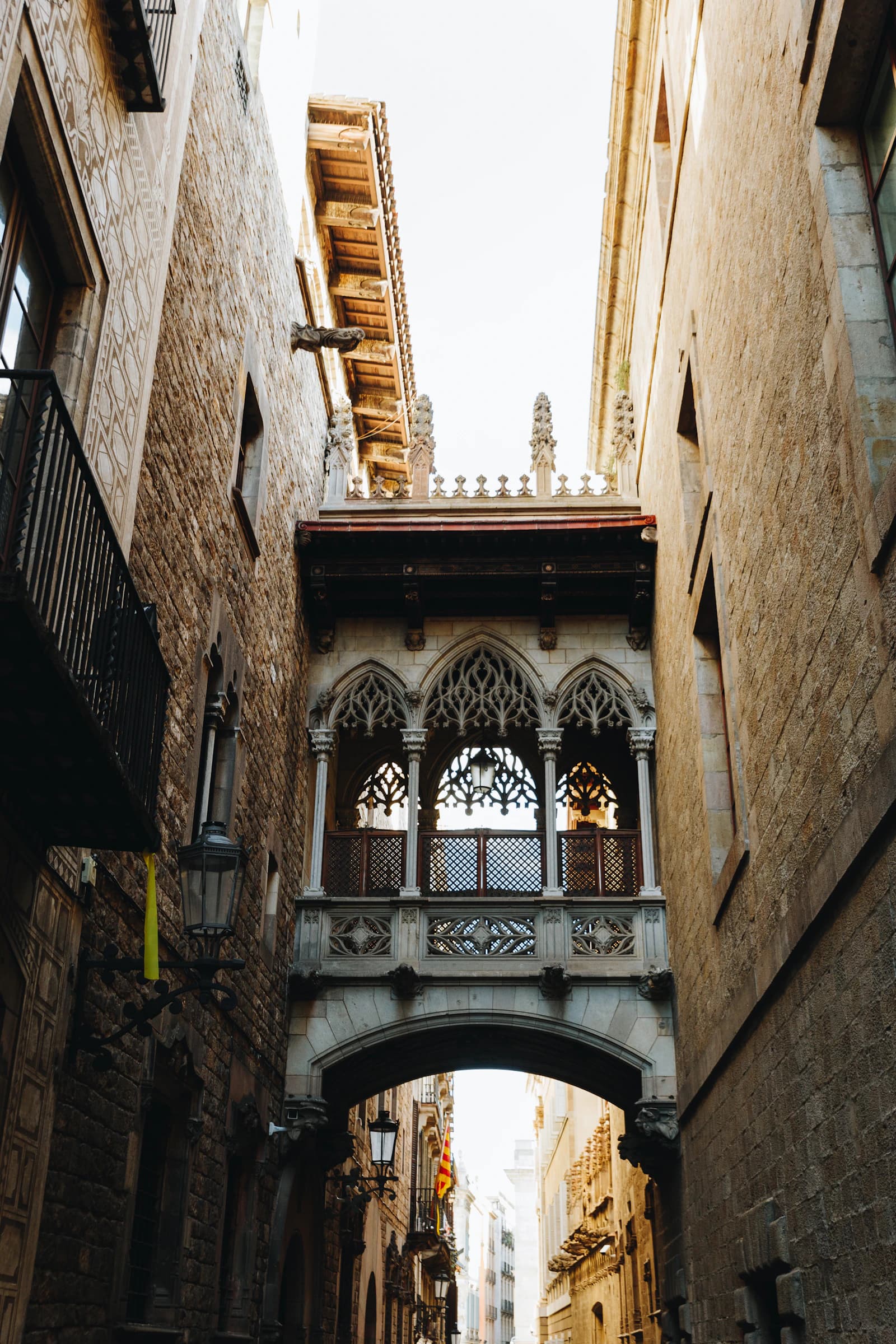
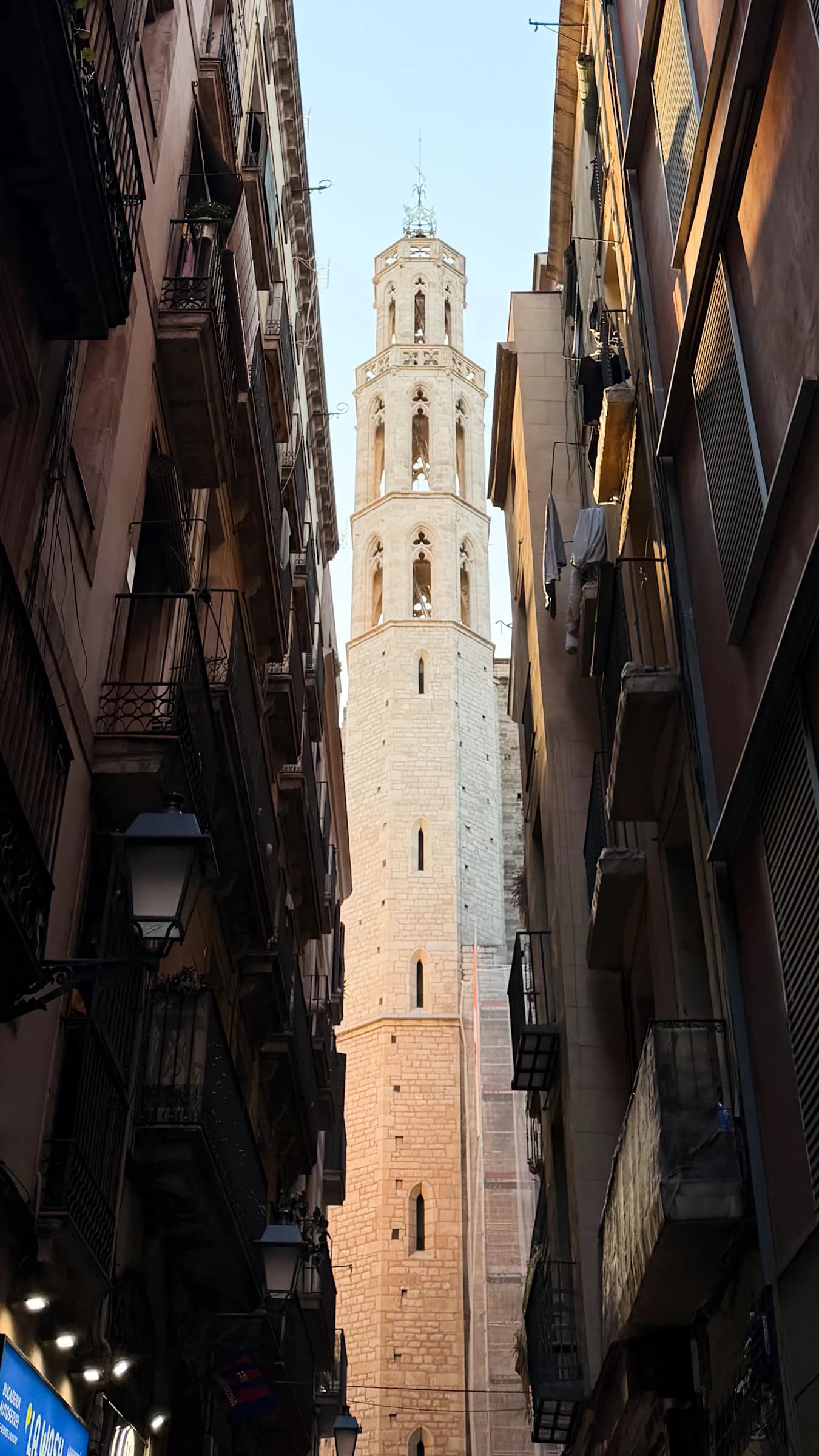
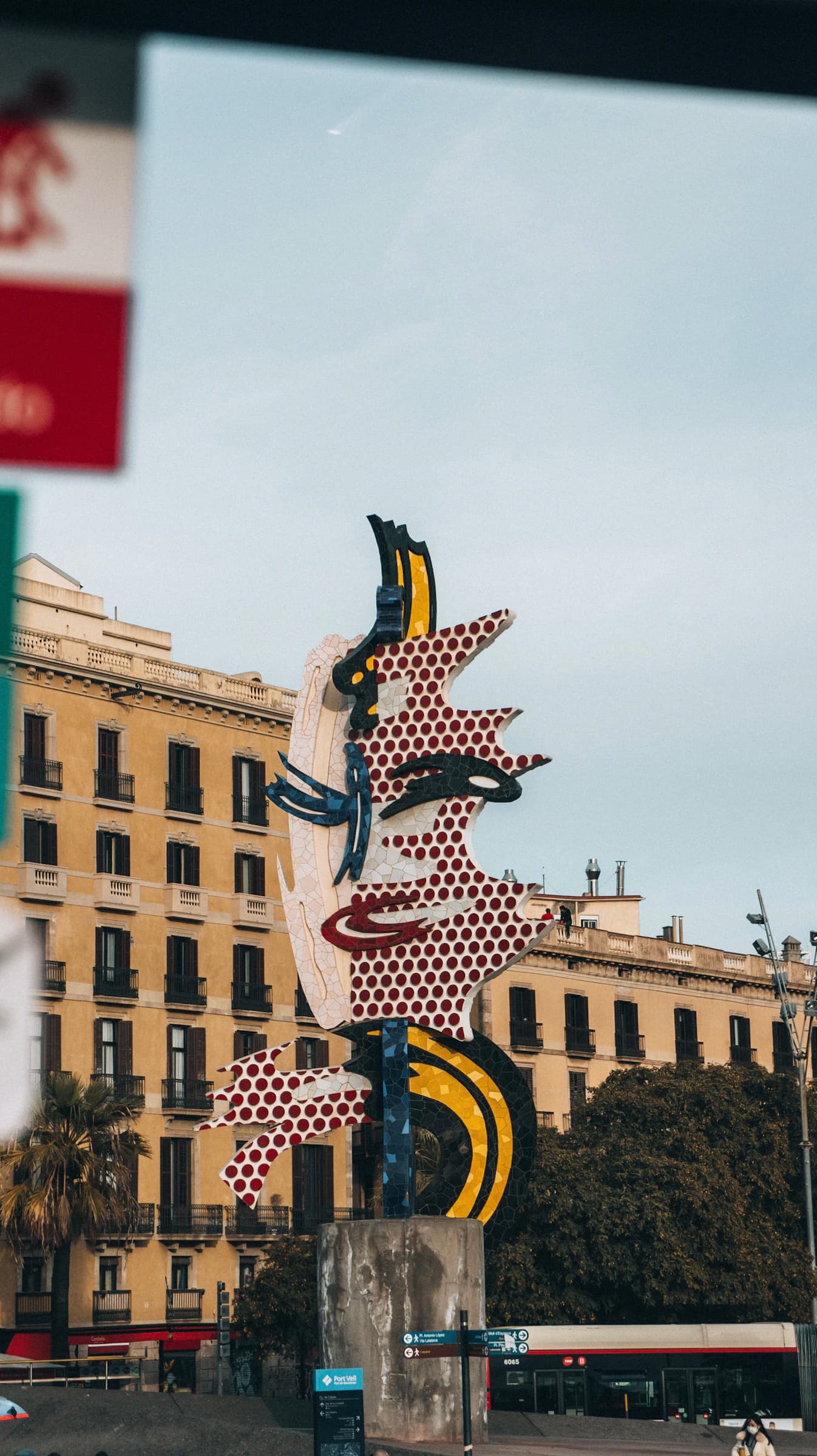
Photographing Barcelona: a thoughtful walk, not a shot list
Plan a Barcelona photography walk with useful phone-camera habits, careful framing, flexible light and accurate captions for your city memories.
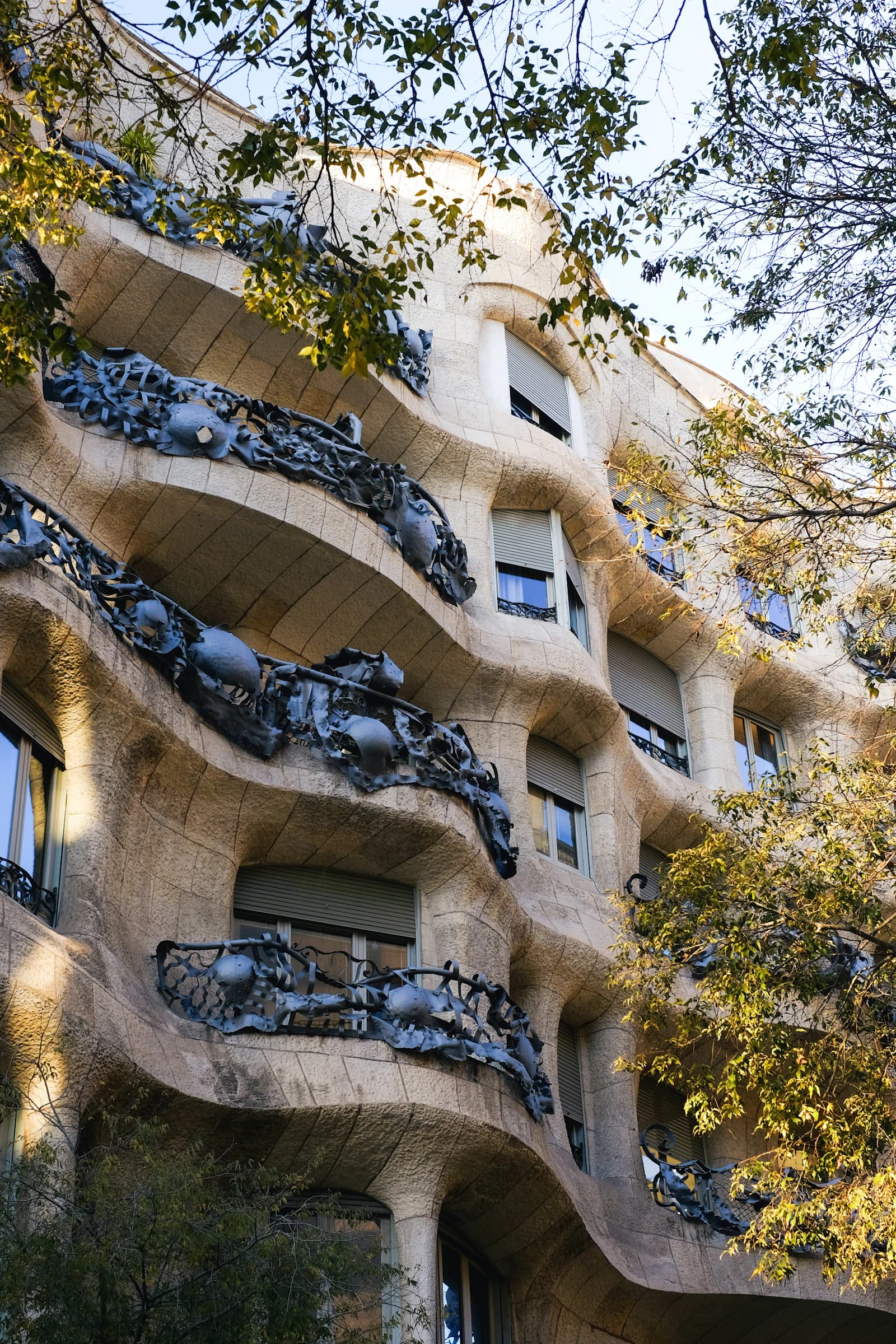
You do not need a large camera or a long list of famous viewpoints to photograph Barcelona well. A more useful goal is a small sequence that explains what caught your attention. Build a walk around a theme, leave room for ordinary streets and make each photograph a deliberate choice rather than a reflex.
At a glance
- Prepare simple controls before walking.
- Choose one theme and flexible starting points.
- Respond to actual light and check the frame edges.
- Respect people and venue instructions.
- Caption verified subjects accurately.
Prepare the camera you already have
Clean the lens, check battery and storage, and make sure you know how to adjust focus and exposure on your device. Practise these controls before stopping in a busy street. Choose a comfortable way to carry the camera that keeps your hands available while walking. Do not let a complicated setup consume the time you intended to spend observing. For a phone, compare the available lenses from the same safe position and notice how each changes the frame. Avoid assuming that more zoom or heavier editing automatically creates a stronger image. A simple photograph with a clear subject can be more useful than an elaborate one with no reason behind it.
Choose a theme and a walk you can enjoy
Select one area and one visual theme: doorways, repeated shapes, changing surfaces or the relationship between people and buildings. Mark a few starting points, not a compulsory list of shots. Leave a flexible interval between reserved activities so photography does not make the rest of the day stressful. If you join a guided walk, stay with the group and ask about planned stops rather than delaying every transition. A private route may offer more flexibility, but read the actual product and agree on what is possible. The theme should help you notice differences; abandon it temporarily when something genuinely interesting asks for another kind of frame.
Respond to the light you find
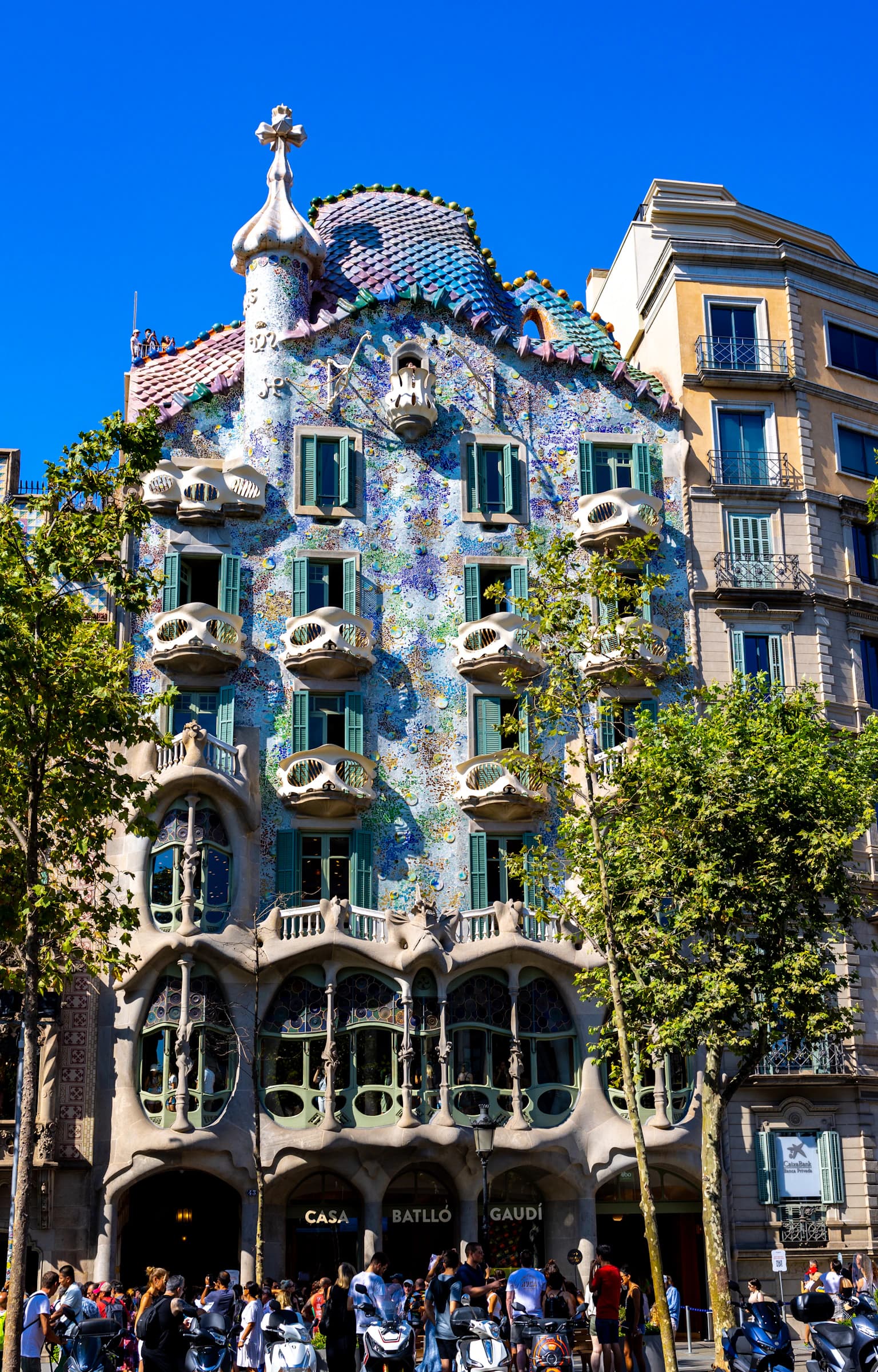
Instead of promising the perfect light at a fixed hour, check how light falls on your subject when you arrive. Look for the boundary between bright and shaded areas, then decide which information matters in the image. On a phone, try reducing exposure when a pale surface loses detail; review the result rather than trusting the screen at first glance. Soft light can help you see surface differences, while strong light can support a simpler composition built from shadow. Neither is automatically better. Move only where it is safe and permitted, or change the subject. Waiting for different conditions is an option, not a reason to ignore your companions’ schedule.
Build a short sequence with different distances
Take a wider view that explains the setting, a medium view showing your subject and a detail that reveals why it interested you. Check the edges for distracting fragments before pressing the shutter. Keep important verticals deliberate rather than correcting every line by habit: the frame should express your decision, not merely imitate an architectural diagram. Try changing height or angle only when you can do so safely without entering a road or blocking passage. Review a few images during a pause and ask whether the sequence repeats itself. Removing a weak duplicate often improves the story more than adding another nearly identical photograph from the same place.
Let the city continue around you
Do not step backwards without checking your surroundings, and avoid occupying doorways, access routes or a whole pavement to take a picture. Ask before making an identifiable person the main subject of a portrait. Respect current instructions inside museums, places of worship and other managed spaces; this guide does not establish their photography rules or permission for publication. If a work or building is the main subject of an image you intend to reuse beyond personal memories, check the relevant conditions rather than guessing. Put safety and ordinary use of the street first. A different position or a patient pause usually serves the photograph better than trying to control everyone in the frame.
Create a record you can understand later
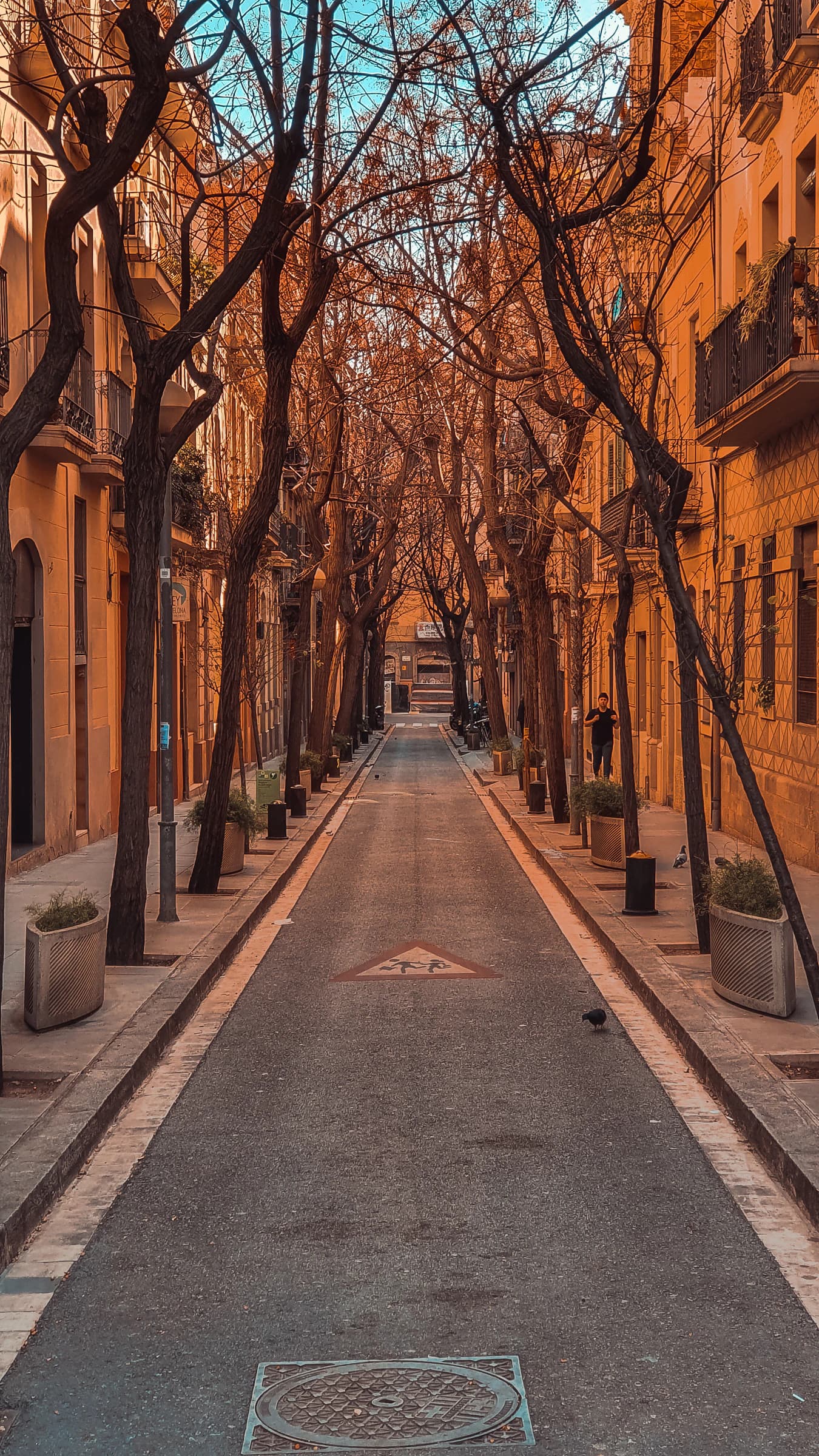
The city’s Arxiu Fotogràfic provides an online catalogue and historical image galleries, offering another way to think about photographs as records. For your own sequence, save the date and a verified location, then write a caption describing what the image actually shows. Distinguish a confirmed building name from an impression, and do not label a generic street as a particular museum or square. Select a few images after the trip and keep the story between them coherent. Technical perfection is not the only measure: a useful album records attention, context and change. An honest caption can preserve more meaning than an impressive image whose place and circumstances you have forgotten.
Sources and further reading
Bring the story to life
Compare routes, durations and languages, then choose the tour that fits your trip.
Explore our tours ↗