Public art in Barcelona: a walk built around noticing
Explore Barcelona’s public art with a selective walking plan, Miró reference points and simple ways to notice scale, materials and urban context.
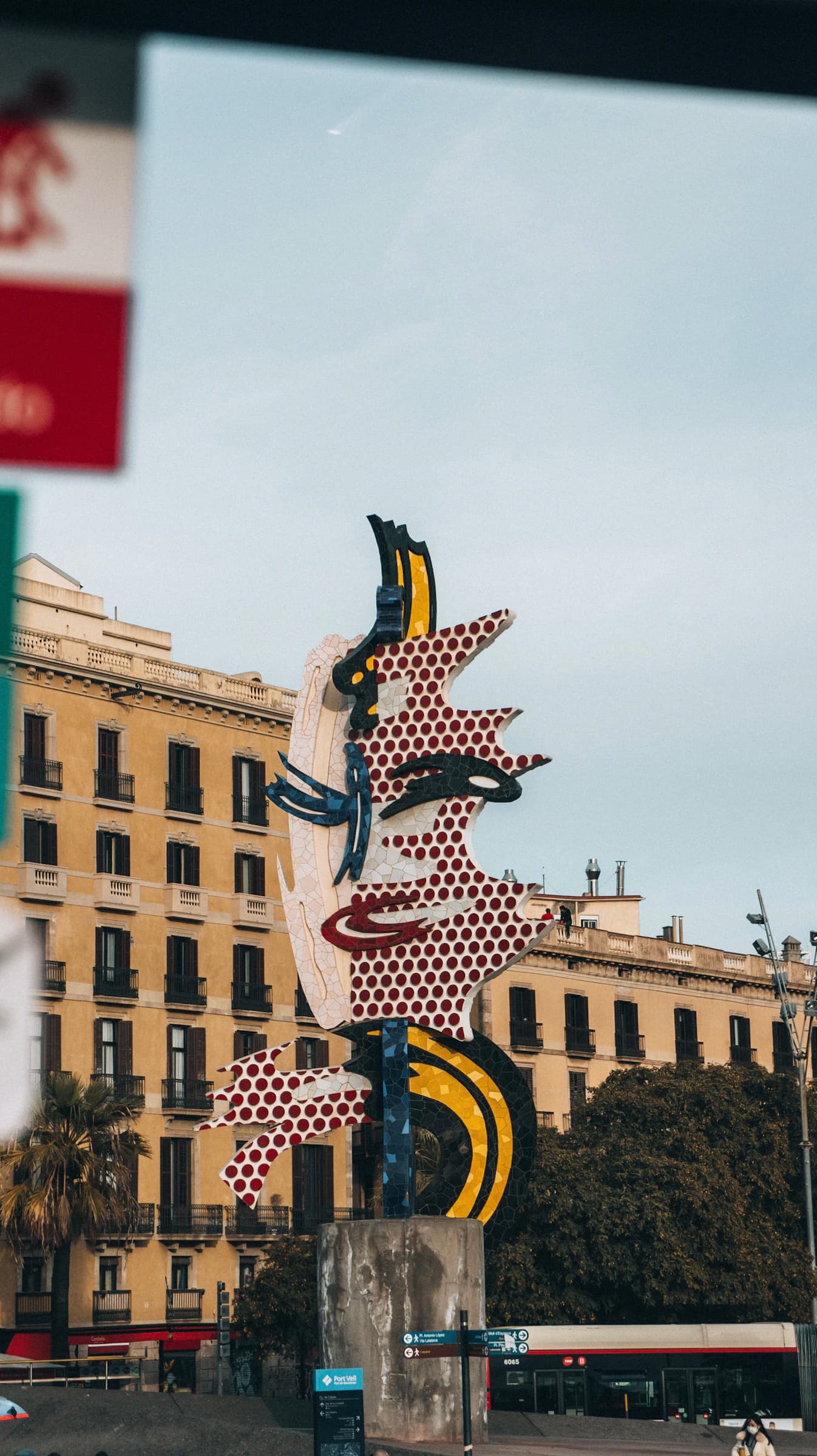
Public art can become part of a Barcelona day without turning the city into a museum checklist. Choose a small number of works, give each a few attentive minutes and notice how it shares space with everyday movement. The interesting question is not only who made it, but what changes when art meets a street or park.
At a glance
- Verify attribution before telling a work’s story.
- Look at setting, material and scale together.
- Keep the route compact and one extension optional.
- Respect ordinary use of streets and check image-use conditions.
Start from a verified work, not a guessed attribution
Joan Miró’s Dona i Ocell stands in the Parc de Joan Miró; his mosaic at Pla de l’Os provides a different reference point on La Rambla. Use verified names and locations as anchors, then build a route you can comfortably follow. A colourful facade, decorative tile or unsigned object should not automatically acquire a famous artist’s name. Check an official description if attribution matters to your visit. Keep your own response separate from documented history: you may find a form playful or imposing without knowing what its maker intended. This distinction allows curiosity while avoiding confident stories that are not supported by evidence.
Look at the work and its setting together
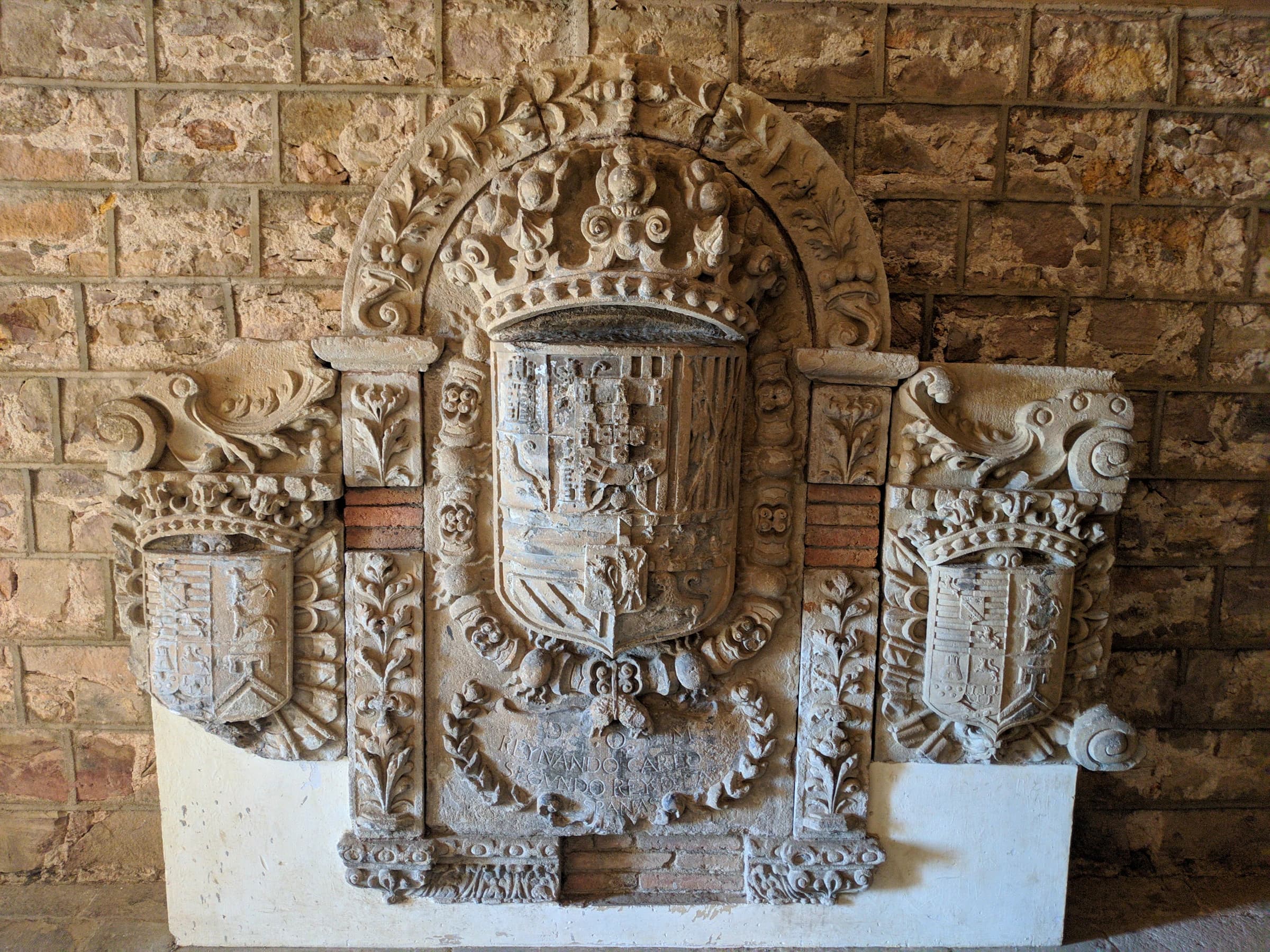
Begin far enough away to see how the work sits in its surroundings, without obstructing movement. Notice its relationship with pathways, buildings, vegetation or open space. Then, where access permits, choose a closer view to examine materials and joins. Compare the two experiences: does distance clarify the shape while proximity changes your sense of scale? Imagine the same object in a quiet gallery and ask what would be different. The exercise is about observation rather than claiming an artist’s intention. Give people using the place for ordinary tasks room to pass; their movement is part of the setting, not a disturbance you need to remove.
Choose a compact route with one optional extension
Select works according to an actual interest, such as colour, surface or the relationship between an object and architecture. Check their locations and real walking connections before combining them. Works associated with one artist are not necessarily neighbours, and a themed list is not a practical itinerary. Choose one main area and leave a more distant stop optional. This makes it easier to adapt to weather, time or energy without rushing through everything. If you want a guided walk, compare the published route with your selected interest instead of assuming that every Barcelona tour covers the same works or includes travel between distant districts.
Use materials and scale as questions
At each stop, describe one material, one form and one relationship with the surrounding space. Look for surfaces that reflect or absorb light, patterns that become clearer at a distance and small details that alter an initial impression. You do not need a technical vocabulary to discuss what you see. With companions, take turns choosing the question, then compare answers without ranking them. Children can follow a repeated shape or look for contrasting colours while others consider the wider composition. Avoid touching or climbing a work just to test its texture or take a photograph. Observation can be active without interfering with the object or other people.
Take photographs that explain your attention
Try a small sequence: a wider frame showing context, a closer view showing the form and a permitted detail explaining what interested you. Keep your position safe and check the edge of the frame before stepping backwards. Wait or move rather than asking strangers to leave a place they are using. If an identifiable person becomes the main subject, ask before making that portrait. Record the name and location separately so you do not later confuse a work with something seen nearby. Check relevant venue instructions and any conditions for your intended reuse instead of assuming that a public location answers every question about an image.
Make the art walk part of an ordinary day
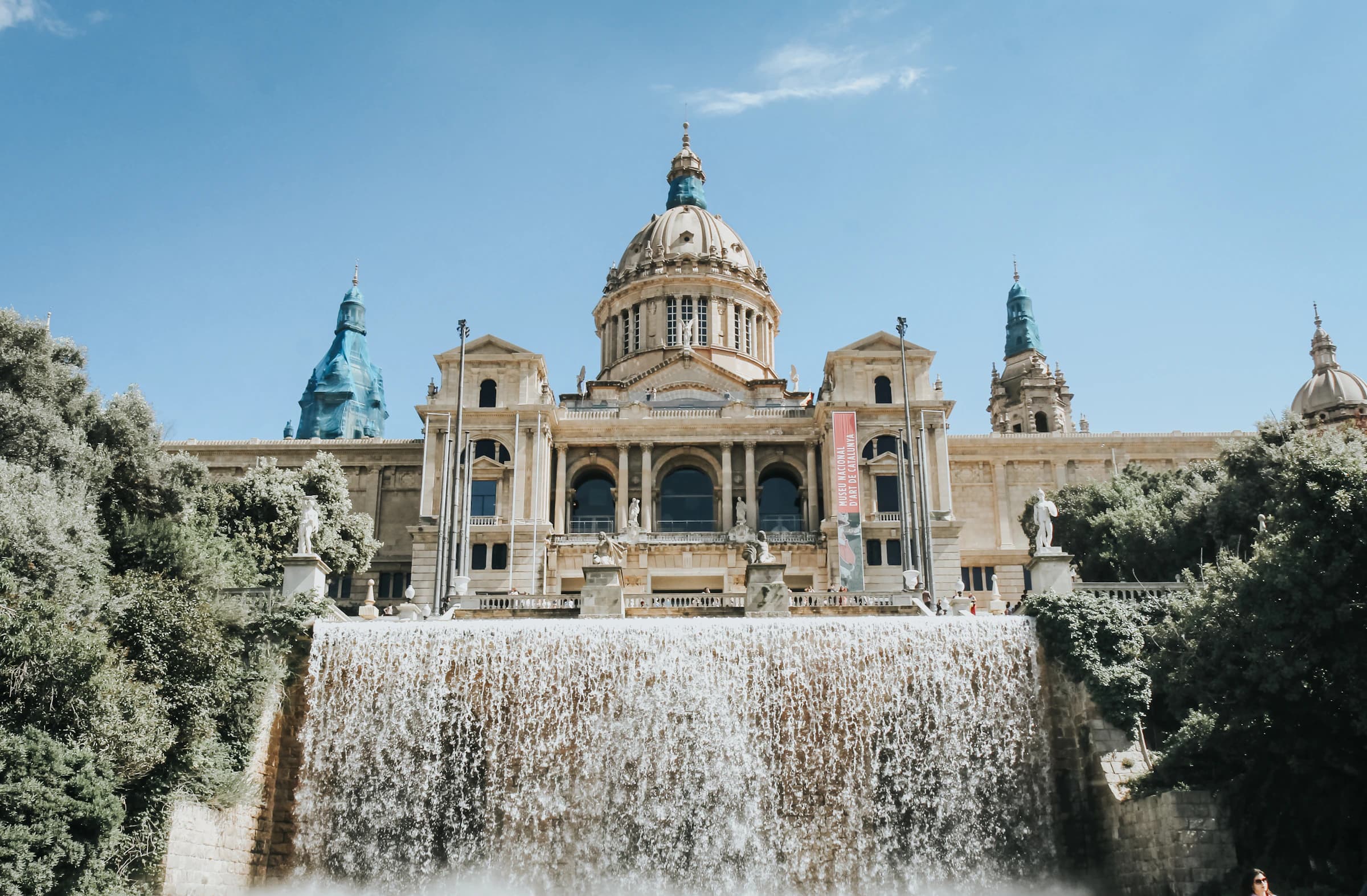
Leave time for a pause and for streets that are interesting without containing a named artwork. A useful route alternates focused looking with movement, rather than making every minute a formal stop. Do not judge the day by the number of artists crossed off a list. Ask which work changed when you looked again and which setting added something important. You can combine the walk with a museum, but reserve museum admission separately unless the actual tour description says otherwise. Keep photographs, notes and remembered questions connected. A few well-understood stops create a stronger personal record than many images whose names and circumstances you cannot recover afterwards.
Sources and further reading
Bring the story to life
Compare routes, durations and languages, then choose the tour that fits your trip.
Explore our tours ↗