Miró in Barcelona: colour, space and an attentive visit
Plan a Fundació Joan Miró visit around colour, visual curiosity and architecture, with a manageable Montjuïc itinerary and practical preparation.
Miró can be approached without decoding every symbol or knowing a complete artistic biography. Start with visible relationships: a line beside a colour, a mark against empty space, an unexpected change of scale. A visit becomes more rewarding when you allow questions and connect the artworks with the space in which you encounter them.
At a glance
- Notice the building alongside the artworks.
- Compare colours and shapes before seeking a single meaning.
- Check the current programme and practical access.
- Keep a Montjuïc route flexible and museum admission separate.
Give the building a place in the visit
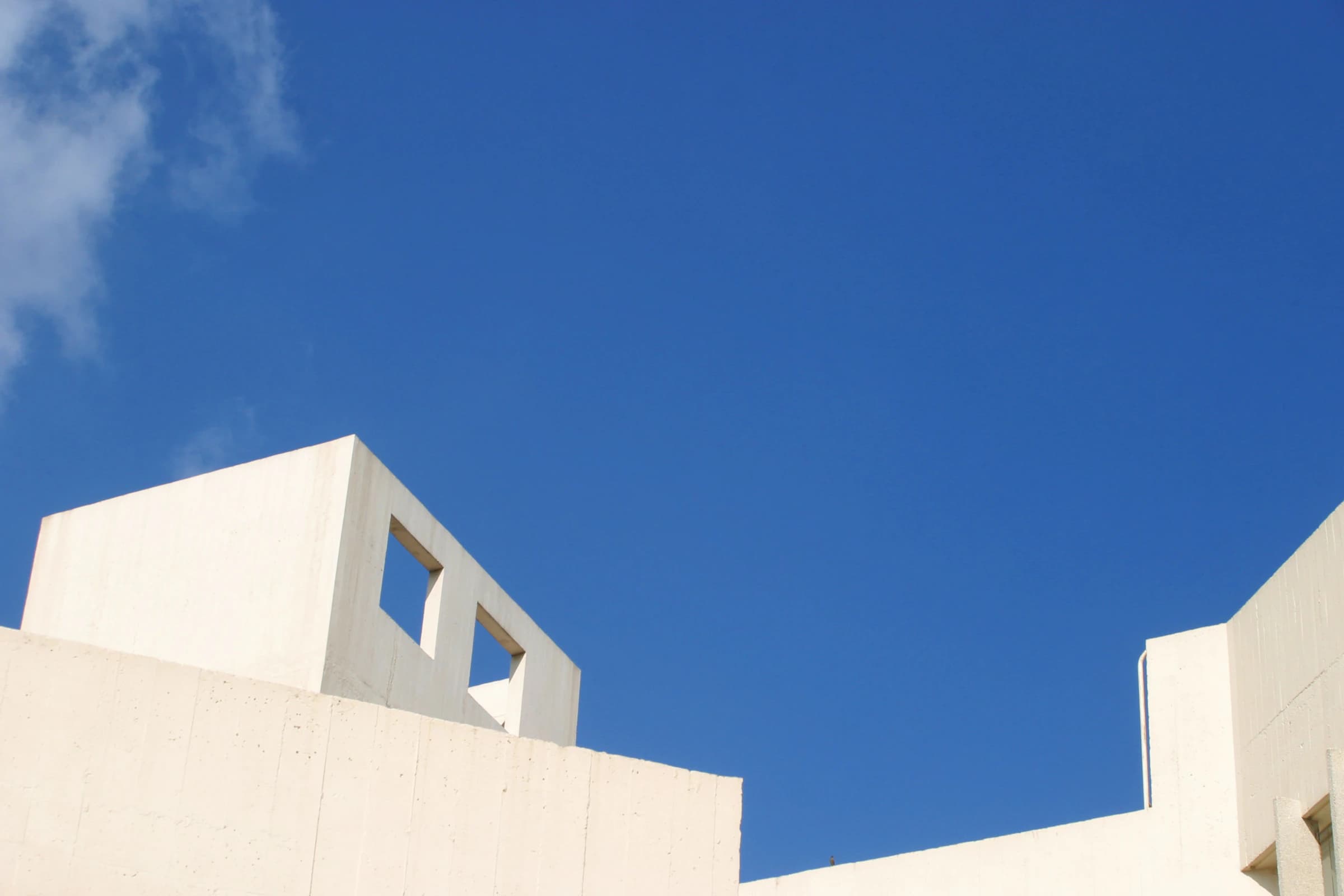
Josep Lluís Sert designed the foundation’s building, using courtyards and natural light. Notice how the architecture changes your pace and the way you look, without treating the building as background scenery. When moving between spaces, compare what you can see from the doorway with what becomes visible after entering. Does a room encourage distance, close examination or a pause? Separate your observations from the architect’s stated intentions unless an official explanation supports them. You can enjoy a relationship between light, wall and artwork without claiming to have solved it. This approach gives architecture and art room to interact rather than competing for your attention.
Look first at relationships between colours
Choose a work and identify where your attention goes first. Follow what happens when you shift to a smaller mark or a quieter area. Instead of asking immediately what a shape represents, ask how its colour changes beside another colour. Compare the energy of a dark line with the surrounding space. These are practical looking exercises, not a theory that every work must fit. If a label offers a different reading, return to the image and consider both. Keep your response provisional. You may notice more on a second look precisely because you have not reduced the work to a single meaning or a recognisable object.
Compare a few works without rushing
Pick two works that differ in a way you can describe: density, scale, material or the position of a recurring form. Spend time with each before comparing them. Ask what feels continuous and what changes, using ordinary language rather than searching for technical terms. With companions, take turns choosing the pair and explain your choice briefly. Children can choose a shape or colour to follow, while adults investigate another question. Nobody needs to report every stop. A small set of observations is easier to discuss later than a large collection of photographs whose subjects you no longer remember clearly. Leave room for a work that resists comparison.
Prepare one question and check the programme
Use the foundation’s own resources to check the programme for your date and understand the available visit options. A collection overview does not guarantee that a particular work will be displayed when you arrive. Avoid planning an entire day around an image you have only seen on an old exhibition page. Choose a broader interest, such as colour, materials or the relationship between an artist and architecture. Save essential admission instructions, then put research aside long enough to notice your own response. Preparation should support curiosity, not turn the museum into confirmation of things you have already decided. Ask about accessibility needs before reserving a tight schedule.
Keep the Montjuïc day manageable
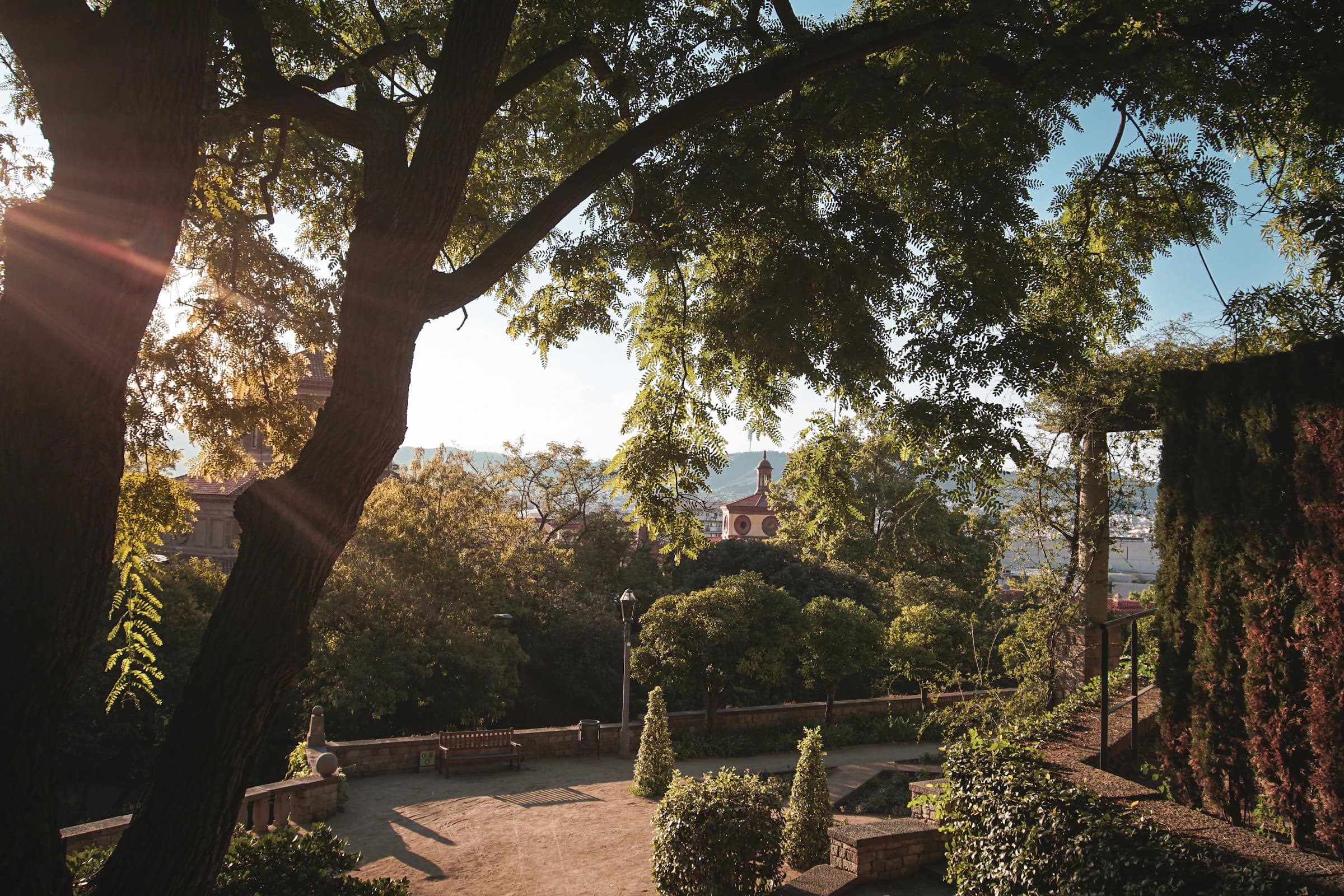
The foundation is in the Parc de Montjuïc. Treat the journey to it as part of the programme, checking actual access and changes of level rather than assuming a short map distance means an easy walk. Pair the museum with one flexible outdoor segment, not every attraction on the hill. Consider your group’s energy and the weather before committing to an extended route. A pause after concentrated looking can be more useful than another scheduled stop. If you also plan a Barcelona walking tour, keep its route and admission inclusions distinct from the museum booking. Leave enough transition time to avoid turning separate activities into a single hurried appointment.
Keep something more useful than a checklist
Before leaving, choose one visual relationship that you would like to remember. It might be a line crossing an open area or a colour that appeared different after a closer look. Write a short description instead of trying to capture the whole visit. Check the venue’s current photography instructions and respect the way other visitors use the space. Afterwards, discuss what surprised you and what remained unclear; both can matter. You can carry the exercise into the city by noticing how a sign, a facade or an everyday object arranges colour and shape. This is an invitation to look attentively, not to label every colourful object as Miró.
Sources and further reading
Bring the story to life
Compare routes, durations and languages, then choose the tour that fits your trip.
Explore our tours ↗