Montjuïc guide: plan a cultural day without overloading it
Choose a manageable Montjuïc route with one cultural priority, realistic transfers, garden time and a flexible return to Barcelona.
Montjuïc works best as a set of choices, not a promise to complete everything on the map. Its museums, outdoor spaces and changes of level can create a varied day, but they also require a realistic plan. Choose one main reason to go and arrange the rest around your group’s interests and energy.
At a glance
- Start with one cultural or outdoor priority.
- Check real access and changes of level.
- Reserve museums and transport as separate products unless explicitly combined.
- Keep one optional segment and an uncomplicated return.
Montjuïc in brief: choose one side of the hill
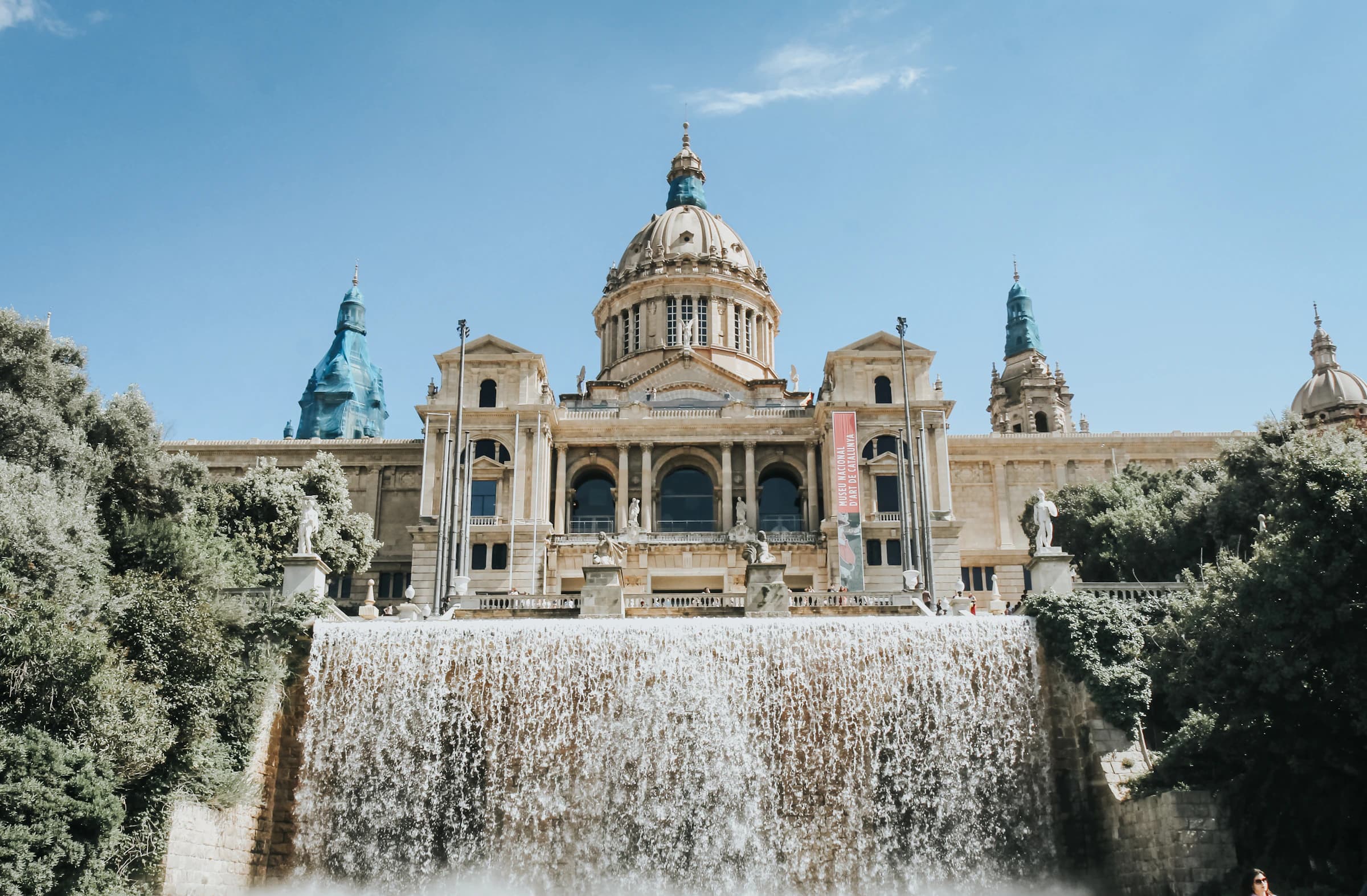
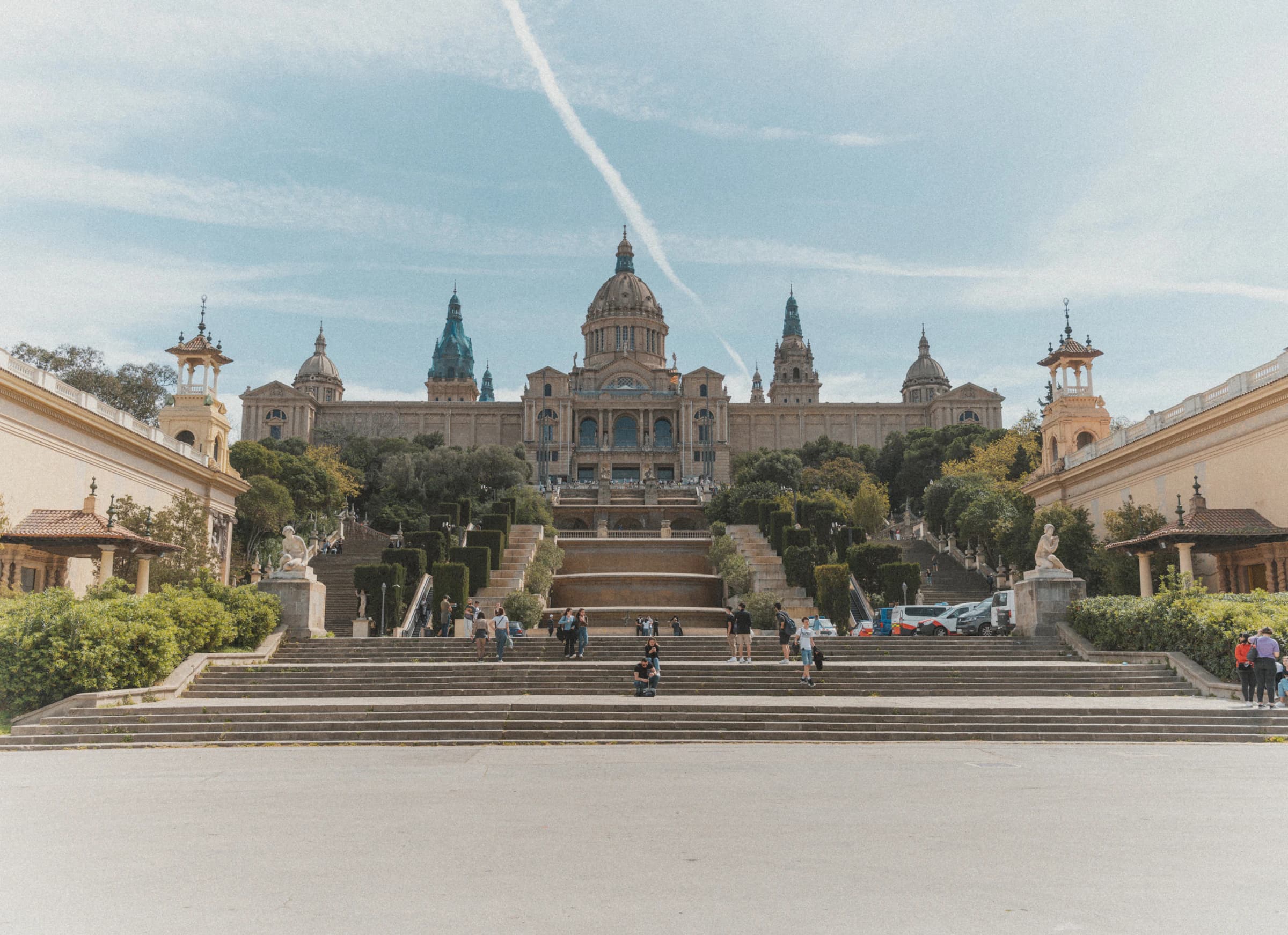
Use a half-day as an editorial planning allowance for one museum and nearby outdoor stops, excluding travel from your accommodation. This is not a measured duration. For a first cultural route, follow Plaça d’Espanya, Avinguda de la Reina Maria Cristina and the Palau Nacional/MNAC area; a Miró-focused visit is an alternative plan with its own approach.
- Plaça d’Espanya to Palau Nacional: follow the monumental approach and stop for the exterior views; include the ascent in your energy budget.
- MNAC: choose it for Romanesque and Gothic art, with other periods available; check your museum ticket separately.
- Fundació Joan Miró: choose this alternative for Miró’s art; it is another venue on Montjuïc, not a room within MNAC.
- Gardens, castle or cable car: add only one optional extension after checking access and your return; museum, castle and cable-car tickets are distinct products.
Choose one reason to visit first
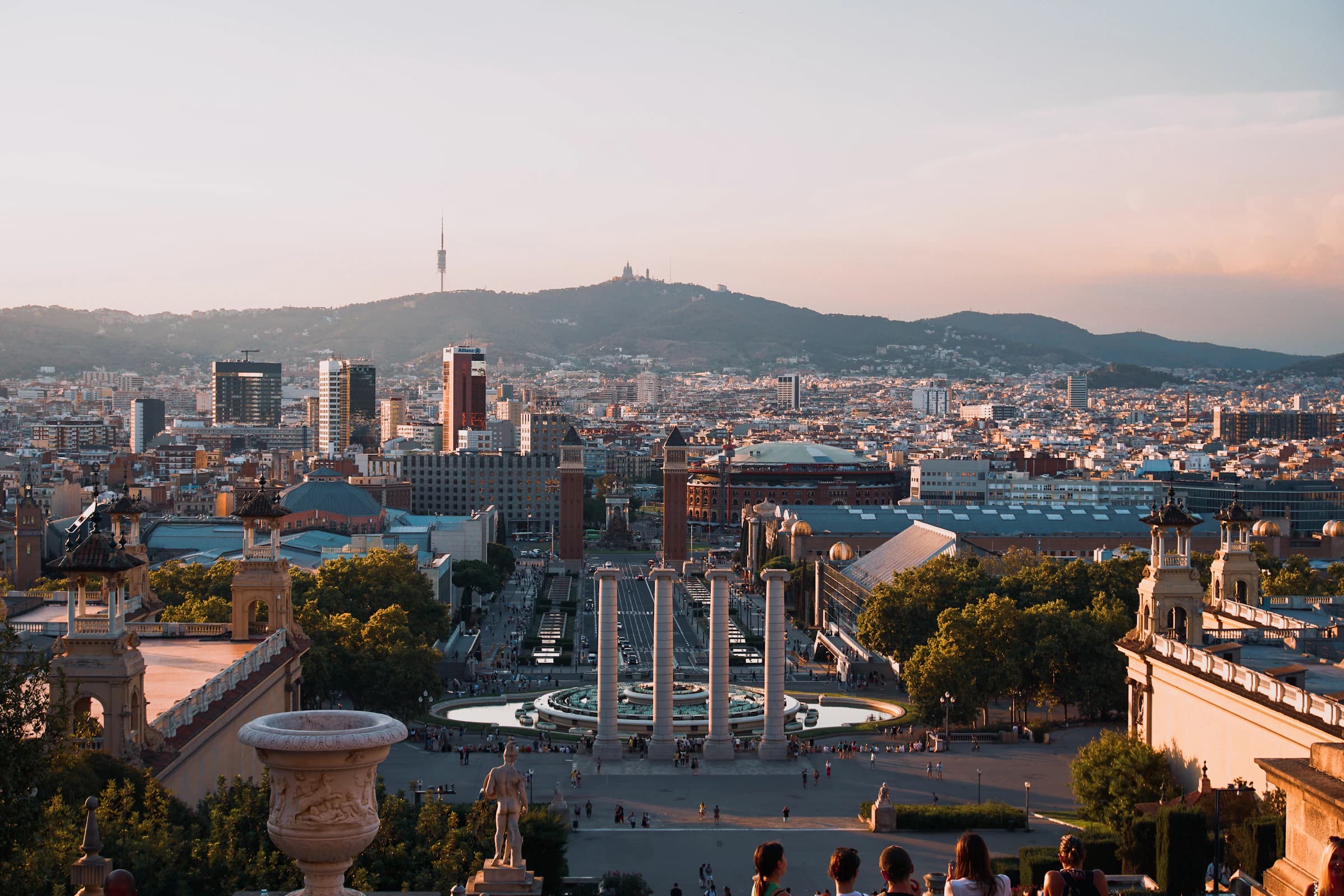
Montjuïc brings together gardens, the Olympic Ring, museums including the MNAC and Fundació Joan Miró, and a castle. That variety is useful only if you select from it. Decide whether your main interest is an art collection, a landscape walk or a city perspective. Give the chosen experience a real block of time, then add one complementary stop rather than several competing priorities. Two people can value the same hill for different reasons, so agree on the main activity before booking. Mark an optional stop separately and allow yourself to skip it. A route becomes more enjoyable when changing a plan does not feel like failing it.
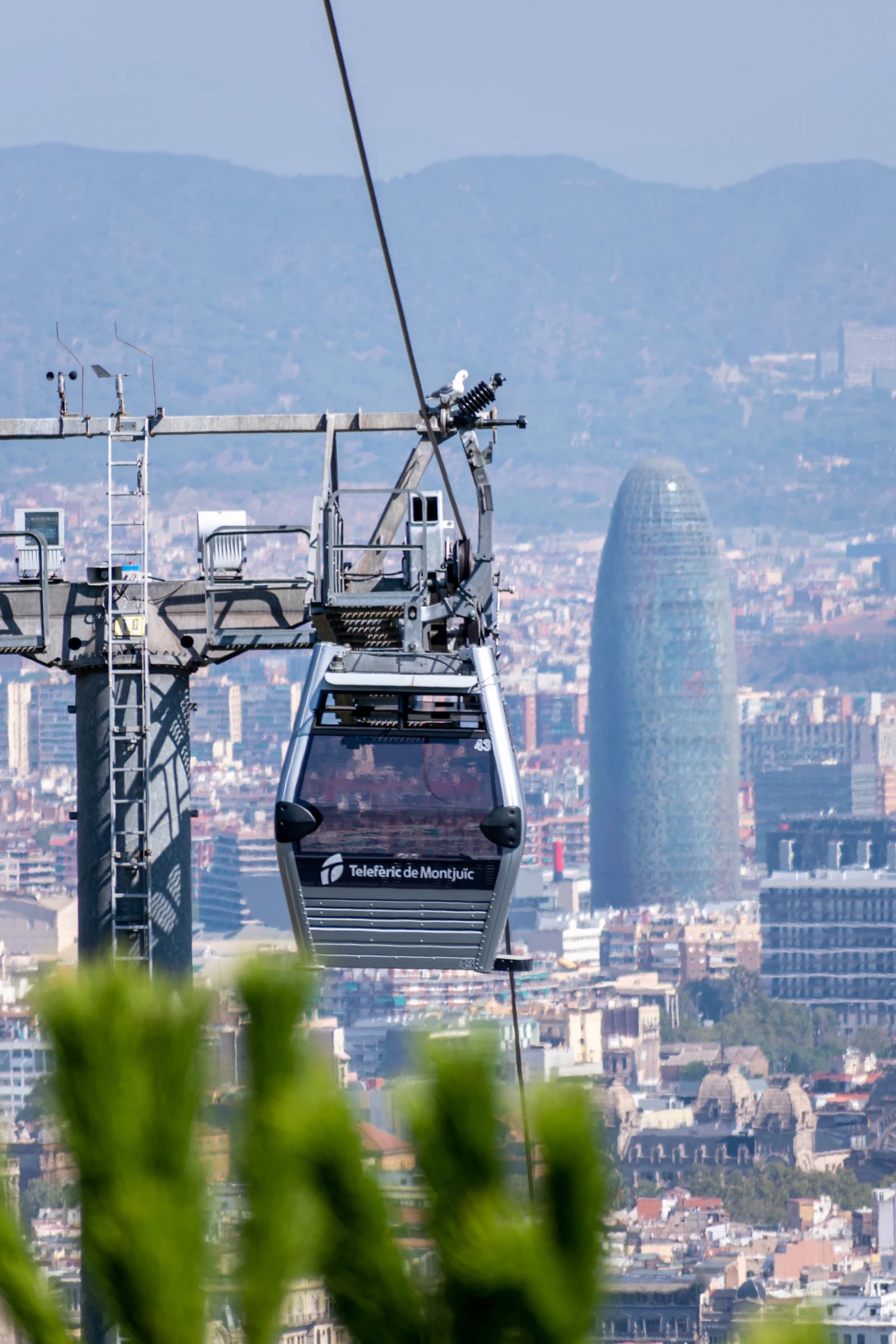
Read the route as a journey with changes of level
Check the actual way between your selected entrance, stops and return point. A short line on a map can conceal a climb, steps or a detour around a building. Compare a walking option with available transport using current operator information, not a remembered route or an old diagram. Note the precise access point you intend to use and decide which segment you want to walk for its own sake. If someone needs step-free access, ask about the complete route rather than only the entrance of a museum. Avoid treating a cable-car ride, a transit ticket and admission to a venue as interchangeable inclusions.
Give a museum its own time and admission
If art is your priority, choose one museum according to the collection or current programme that interests you. Check the institution’s own booking information and what each admission option covers. Do not assume that a city walking tour includes a museum ticket or guiding inside. Put the reservation at a sensible point in the day and leave room to reach the entrance calmly. After looking closely at artworks, an outdoor pause can provide a useful contrast without requiring another reservation. If you want two cultural venues, identify a specific comparison between them and allow an honest transfer, rather than counting only the time spent in galleries.
Use outdoor time to slow the day down
Choose a short outdoor segment because it offers something you want to notice, not simply because it connects two obligations. Look at changing views, planting, shade and the relationship between paths and buildings. Keep the route flexible if the weather, energy or access differs from your expectations. Take water and plan a rest appropriate to your group, without assuming every marked place provides the facilities you need. With children, let one person choose a detail to observe at the next stop. A small shared exercise can make a walk purposeful without turning it into another lesson or a competition to cover distance.
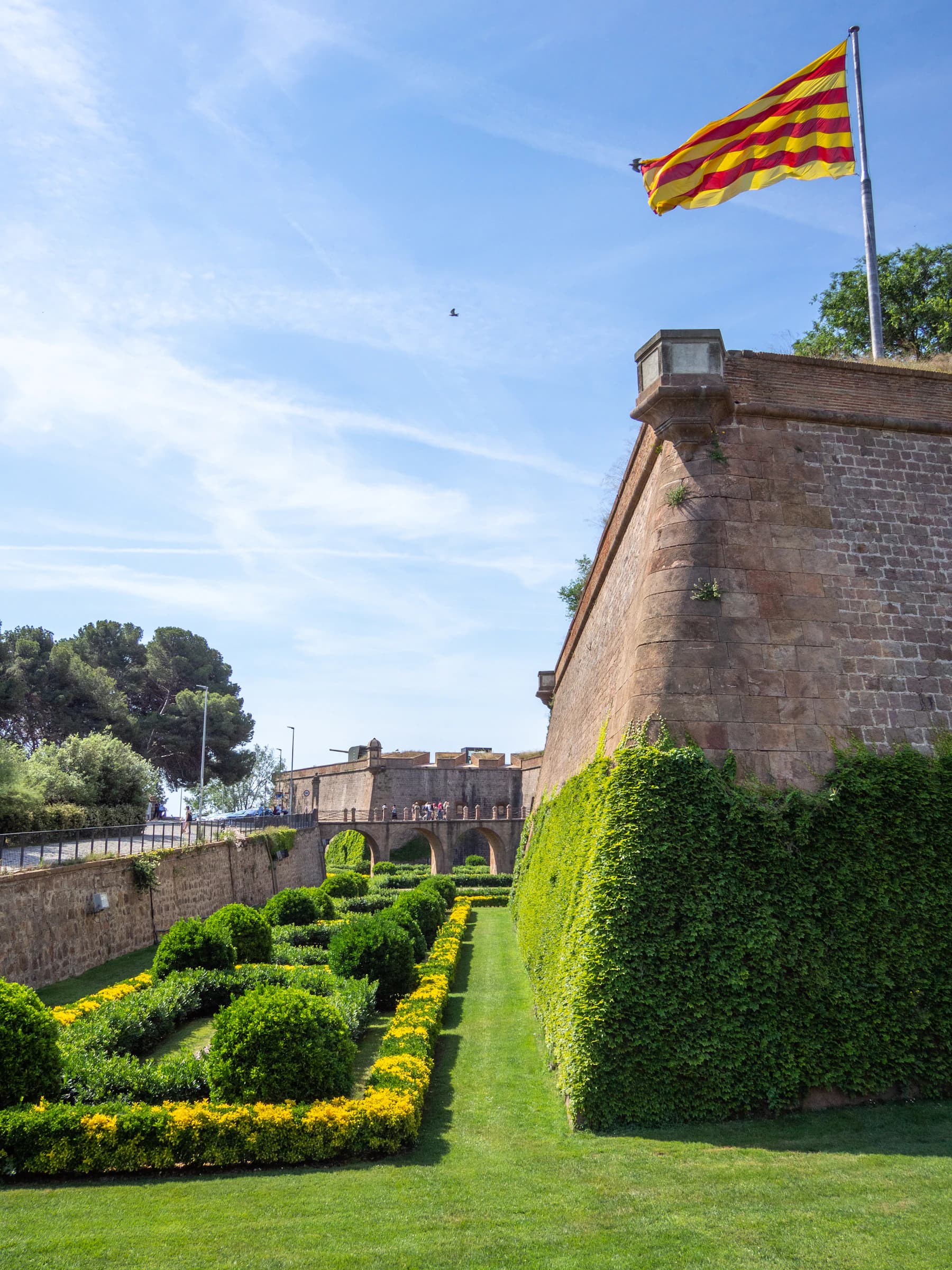
Build a simple sequence, then leave a gap
A practical sequence is one booked cultural visit, one flexible walk and a meal or pause, arranged in the order that suits your access route. Test whether it still works if the first activity takes longer than expected. If not, remove the optional stop rather than tightening every interval. Do not attach a distant reservation immediately after an uncertain descent. Keep the return decision clear, including where the group will meet if someone takes a different route. A simple plan is especially useful with mixed interests: those who want more photographs can use the flexible segment, while others recover without feeling they are holding up the day.
Verify the details that can change
Before departure, check the selected venues and transport operators for current access, admission, service changes and relevant accessibility information. This guide does not guarantee particular opening hours, an operating route or the availability of a viewpoint. Keep the important instructions easy to find and distinguish paid bookings from optional stops. Reassess the plan if strong heat, rain or fatigue makes your preferred walk unsuitable. At the end of the day, ask which part deserved more attention and which could have been omitted. That reflection helps with another Barcelona day: a coherent experience is built from choices that work together, not from the greatest possible number of attractions.
Sources and further reading
Bring the story to life
Compare routes, durations and languages, then choose the tour that fits your trip.
Explore our tours ↗