Barcelona art museums: choose the visit that suits you
Compare museum experiences by your interests, not a ranking. Plan art viewing, city transfers and separate admissions without overloading your day.
Choosing an art museum is easier when you start with the kind of attention you want to give it. You may want to follow an artist, compare historical periods, look at a building or encounter unfamiliar contemporary work. Those are different visits, even when a city guide lists them together. Use the questions below to select one main experience and build a day that leaves enough time to look, rather than merely enter and leave.
At a glance
- Choose by your interests and a question you want to explore.
- Check the actual programme and admission, not only the museum name.
- Give one main visit enough time and plan the transfer realistically.
- Separate museum tickets from any independent city walking tour.
Which Barcelona art museum should you choose?
Choose by the art you want to see before comparing tickets. As an editorial planning allowance, keep around 2–3 hours for one main museum visit, then add travel, food and any longer pause separately. This is not a measured visit duration or a promise that every room will be available; check the current programme.
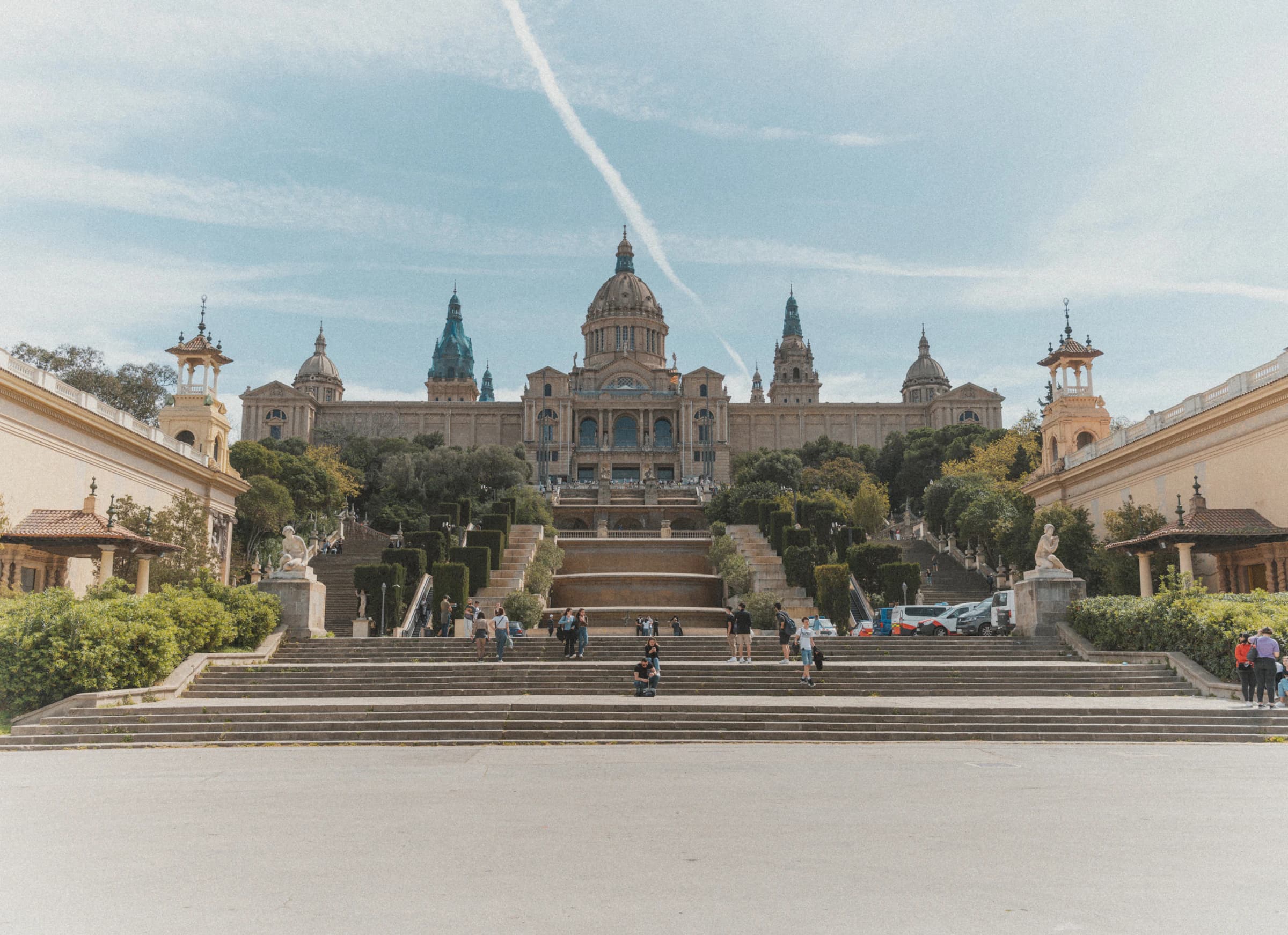
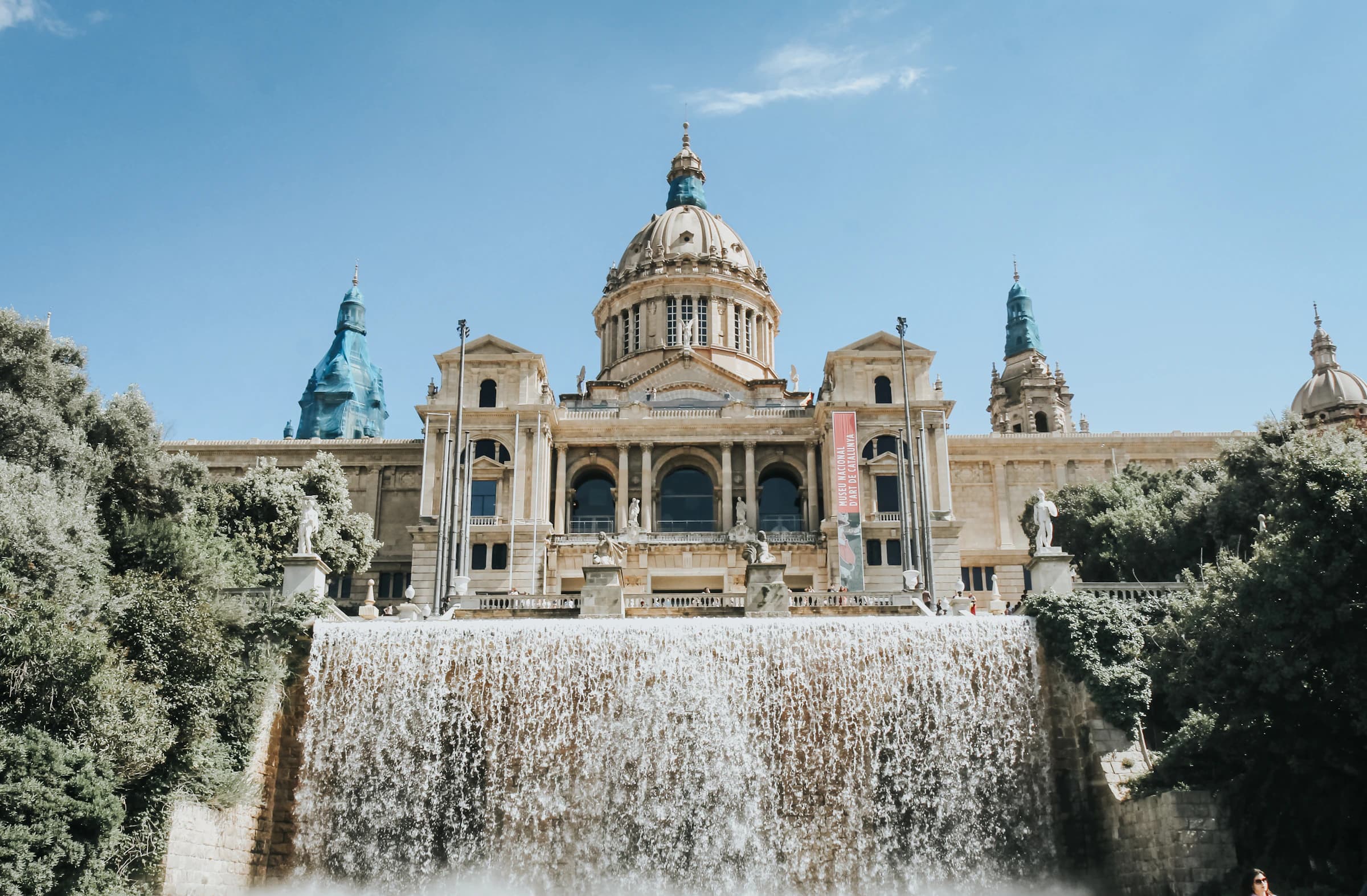
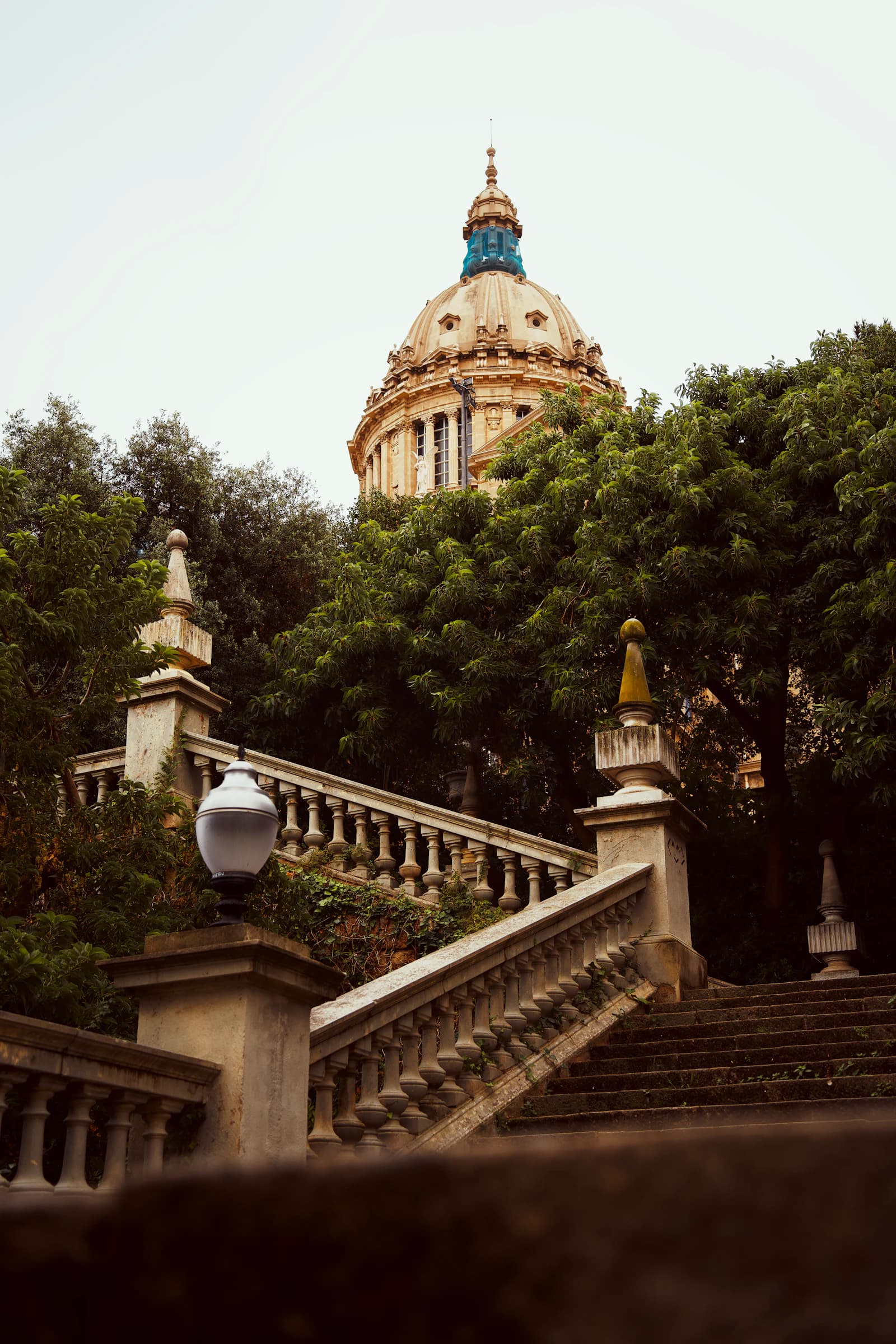
- MNAC on Montjuïc: start here for Romanesque, Gothic, Renaissance and Baroque art; select a period instead of trying to cover every gallery.
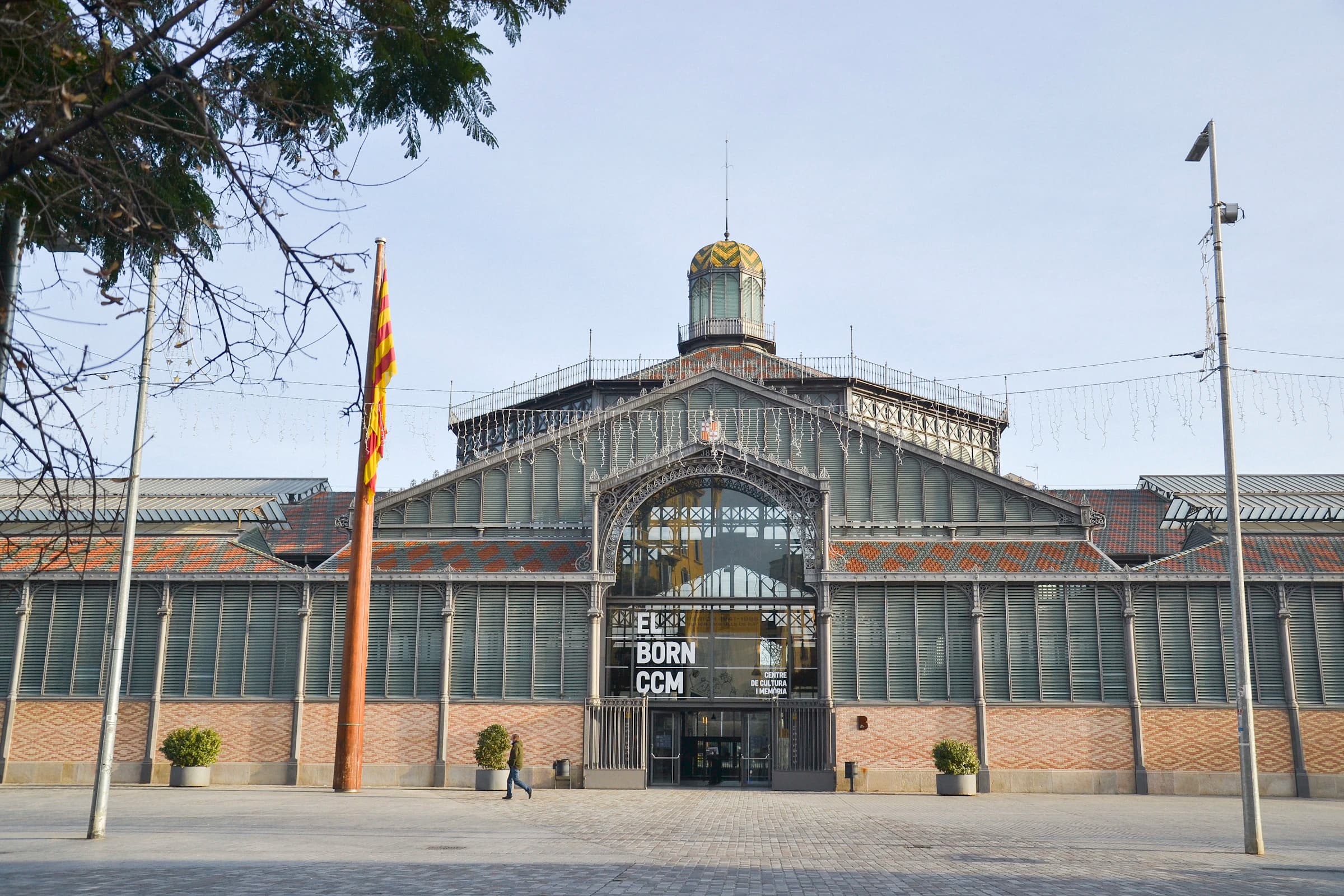
- Museu Picasso in El Born: choose early work, the Barcelona connection and the Las Meninas series; this is not a complete survey of every Picasso period.
- Fundació Joan Miró on Montjuïc: choose a visit focused on Miró’s painting, sculpture and visual language rather than a broad history of art.
- MACBA in the Raval: choose contemporary art and the current exhibitions; verify which presentation is on your dates.
- A practical sequence: choose MNAC or Miró for a Montjuïc day, Picasso with an El Born walk, or MACBA with the Raval; museum admission is separate from a Unlocked Tours city walk.
Choose a question before choosing a museum
The Museu Nacional lists Romanesque, Gothic and modern art among its collections; MACBA focuses on contemporary artistic practices. The Fundació Joan Miró centres on Miró, while a Picasso visit offers another artist-focused approach. Use these broad distinctions to choose a question: do you want to compare images across periods, understand one visual language or meet work that challenges your expectations? There is no need to decide which museum is best for everyone. Consider what you enjoyed on previous visits and what makes you lose interest. A clear personal question is more useful than a ranking because it helps you select galleries, recognise when to pause and remember what you saw afterwards.
Read the current programme as well as the collection
A museum’s identity and the works available on a particular day are not the same thing. Before booking, look at the official collection and exhibition information, then check which admission covers the experience you want. A temporary exhibition may call for a different reservation or a different amount of attention. Do not assume that a famous work is on view simply because it belongs to a collection. If a particular object is essential to your visit, ask the institution rather than building the day around an unverified image. This approach avoids disappointment without requiring you to research every gallery in advance. Decide what is essential and what can remain a surprise.
Build the day around one sustained visit
Put your main museum into the day first, then add a walk or a second activity with a different rhythm. Look at the actual journey between places, including access to the building, not just the distance between map pins. If you choose a venue on Montjuïc, account for the hill and your preferred way of reaching it. Avoid combining several long visits merely because the tickets can be bought together. Two museums can work well when you have a comparison in mind and energy for both; otherwise, a thoughtful visit followed by an open-air pause may give you a clearer memory. Leave time for a meal without treating it as another cultural appointment.
Use a simple method inside the galleries
Start with an overview, then choose a few works to examine closely. Look before reading the label: describe the balance of shapes, the use of colour, the material or the position of figures. Next, read the available explanation and notice how it changes your first impression. Compare a second work using the same questions. You do not need to like everything or solve the artist’s entire intention. A useful visit can include uncertainty. With children or mixed interests, agree on a small number of shared stops and allow different people to choose one. Short discussions with precise observations usually work better than testing everyone on names and dates.
Keep logistics clear and promises realistic
Check the museum’s own information for accessibility, photography, bags and the admission you intend to buy. These conditions can differ between venues and exhibitions, so one successful visit elsewhere is not a reliable rule. If someone needs a seat, step-free access or a quieter experience, ask concrete questions before choosing the route. Keep any city walking tour separate from the museum reservation unless its actual product description explicitly includes that visit. An architectural explanation on the street is not a museum ticket or interior guiding permission. After the visit, note one work, one question and one contrast that stayed with you. Those three memories are more useful than a long list of galleries you hurried through.
Sources and further reading
Bring the story to life
Compare routes, durations and languages, then choose the tour that fits your trip.
Explore our tours ↗