Picasso in Barcelona: a visit built around looking
Plan a thoughtful Museu Picasso visit, understand its city setting and connect an artist-focused museum with an unhurried Barcelona walk.
A Picasso day does not need to become a list of famous paintings and addresses. Start with a question about how an artist learns, experiments or revisits an image. Give the museum enough attention to answer that question, then use the surrounding streets as a change of pace rather than another collection to complete.
At a glance
- Choose one visual question rather than an exhaustive checklist.
- Check the current museum programme and admission separately.
- Give a few works sustained attention.
- Combine the museum with a flexible walk and a real pause.
Choose a useful starting question
The museum’s collection illuminates Picasso’s formative years and his interpretations of Las Meninas. Treat that context as an invitation to compare rather than a requirement to memorise a biography. Look for decisions that you can actually see: a figure’s position, a change of colour, a repeated shape or the balance between careful description and simplification. Choose one question for the visit and let it guide a few stops. Someone new to painting might ask how different works make a face feel alive; another visitor could follow the way an image changes when familiar forms are rearranged. Neither needs to know every title beforehand.
Distinguish the museum from a city route
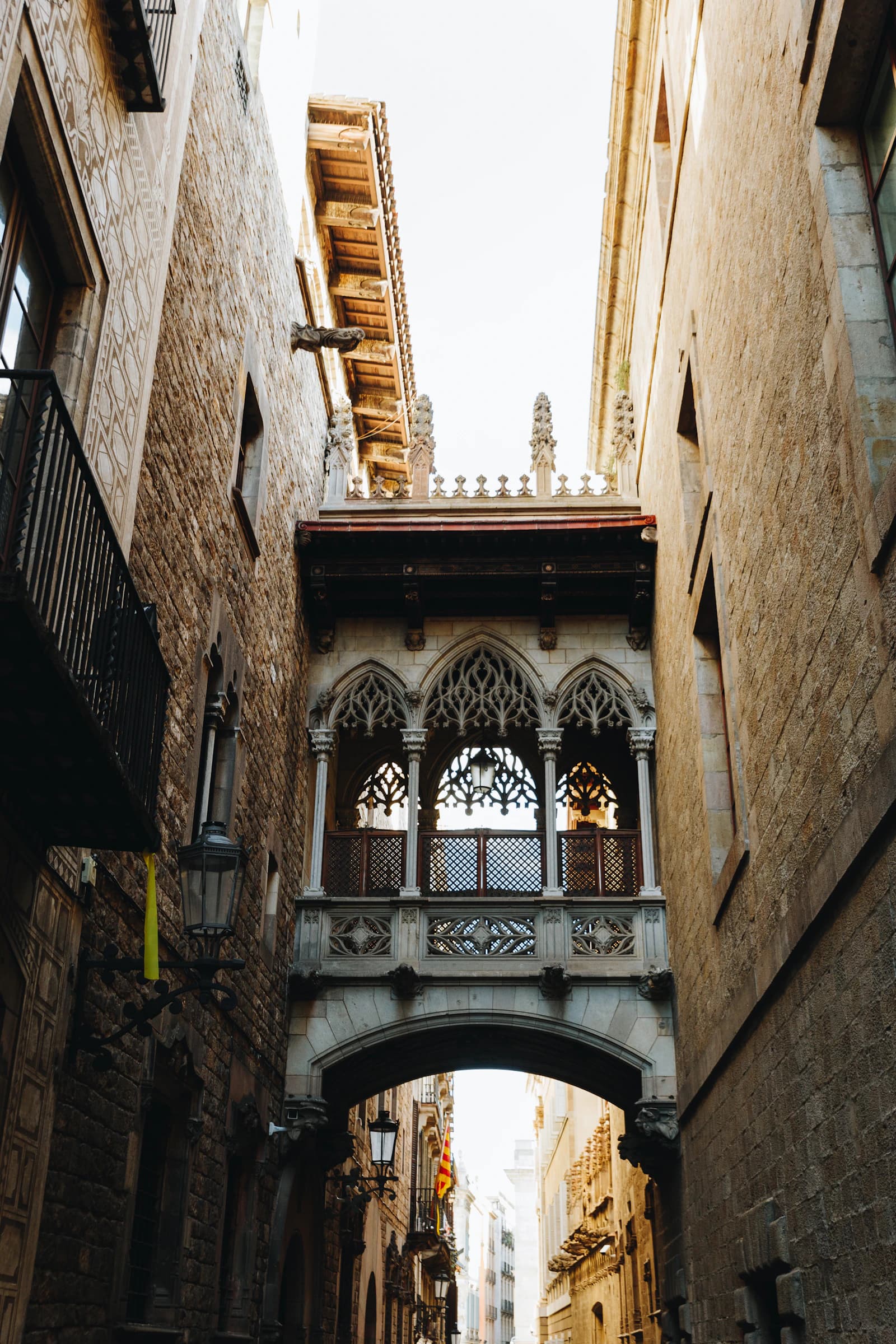
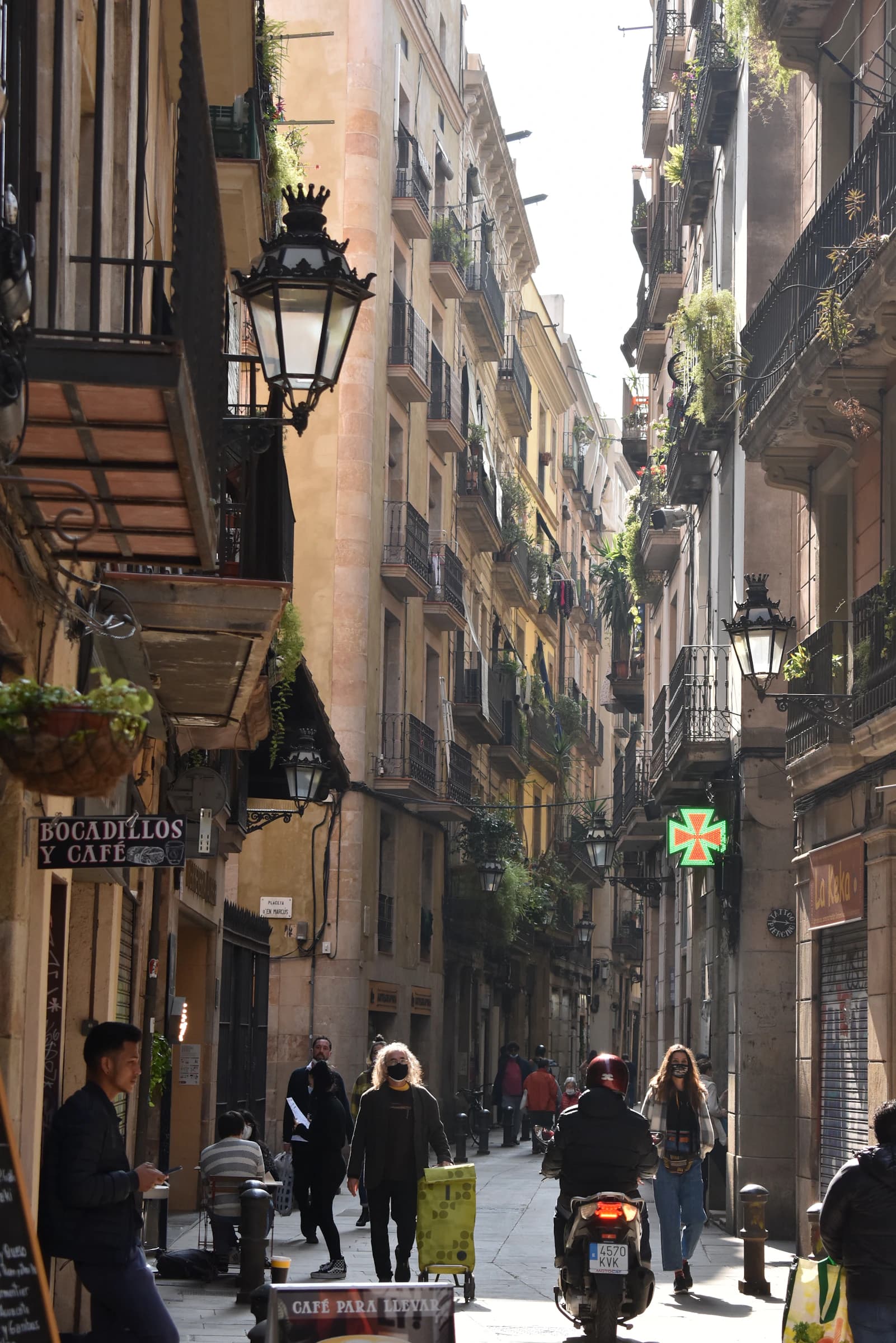
The museum occupies historic buildings on Carrer de Montcada. Its setting makes an old-town walk a sensible companion, but the walk and the collection provide different experiences. Decide whether your priority is time with artworks, urban history or a balance of both. Reserve the museum separately unless a specific product explicitly includes admission. Do not assume that a guide who explains Picasso’s relationship with the city is authorised or booked to lead inside every museum. Read the actual inclusions and choose accordingly. A useful itinerary allows a transition between the two activities, including time to orient yourself, put away a bag and recover from the street’s distractions.
Give a small number of works real attention
Make a first pass without trying to photograph or read everything. When something holds your attention, stop and describe it in ordinary words before consulting the label. Then compare your first impression with the information provided. You may discover a useful disagreement rather than a correct answer. Repeat the method with a contrasting work and ask which visible choices changed your response. Keep any note short enough to remember without a screen: one colour, one relationship, one question. With a companion, take turns choosing the next stop. This keeps a visit active and gives different tastes room, without turning the gallery into a race or a lesson delivered by one person.
Prepare lightly, without prescribing the experience
Before travelling, use the museum’s own material to understand its collection and check the programme for your chosen date. Historical exhibition pages can explain a subject, but an archived page is not evidence that an exhibition is currently on view. Keep that distinction clear when you save links. Preparation should make looking easier, not dictate what you must enjoy. Pick a small theme, then remain open to a work outside it. If travelling with children, ask each person to choose a detail they would like to investigate. You can discuss it afterwards without testing anyone’s memory of dates or expecting the same level of concentration throughout the visit.
Build a day with contrasting rhythms
Place the museum before or after one manageable walk, leaving an honest interval between reservations. Check the actual route to the entrance rather than relying only on the distance between map pins. Avoid adding a second museum simply because it is nearby: ask whether it offers a comparison that interests you and whether you still have attention available. Plan a meal or a quiet pause as part of the day, not as time stolen from culture. A shorter programme can create more space for conversation and unexpected discoveries. If the weather changes, keep one outdoor segment flexible instead of rebuilding every reservation around a forecast.
Resolve practical questions before arrival
Consult the museum’s current instructions for admission, accessibility, bags and photographs. This guide does not promise particular opening hours, ticket availability or display arrangements. If your group needs seating, step-free access or a quieter way to visit, ask precise questions before confirming the schedule. Check what an admission option covers, and retain the official booking instructions where you can find them without searching your email in a queue. After the visit, choose one work or question worth returning to rather than judging success by how much you saw. The strongest souvenir may be a changed way of looking at a portrait, a street scene or the colours around you.
Sources and further reading
Bring the story to life
Compare routes, durations and languages, then choose the tour that fits your trip.
Explore our tours ↗