El Born: plan a Barcelona walk around culture
Build an El Born visit around one cultural stop, a flexible street walk and time to pause. Separate museum reservations from neighbourhood exploration.
El Born rewards a visit with a particular interest rather than a long list of addresses. You might want to connect art with the streets around a museum, understand a heritage space or simply explore how busy passages open into wider places. Choose one of those aims first. The suggestions below create a practical structure without pretending that every doorway belongs to the same period or every cultural venue is included in a walking tour.
At a glance
- Choose one cultural anchor before adding another reservation.
- Observe everyday street use as well as façades.
- Keep optional detours outside your timed admission buffer.
- Give different group interests room during breaks.
El Born in brief: streets, archaeology or Picasso
For an exterior introduction, allow roughly 60–90 minutes excluding museum admission, meals and queues. This is an editorial estimate to adapt to your pace. Follow Santa Maria del Mar, Passeig del Born, the former market and Carrer de Montcada; choose one indoor cultural visit rather than promising both museums in the same short walk.
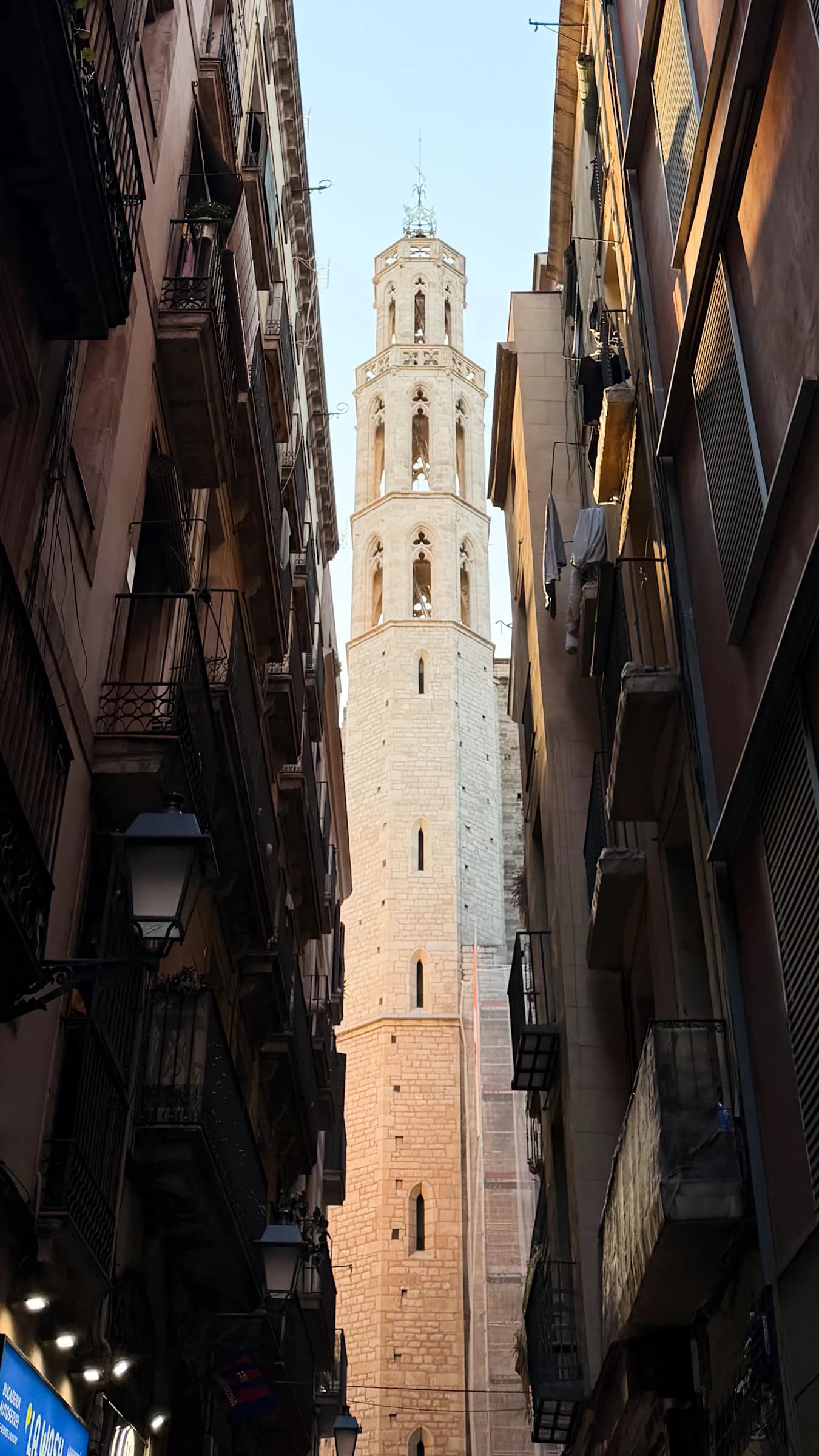
- Santa Maria del Mar: start with the church exterior; interior visits have their own access conditions.
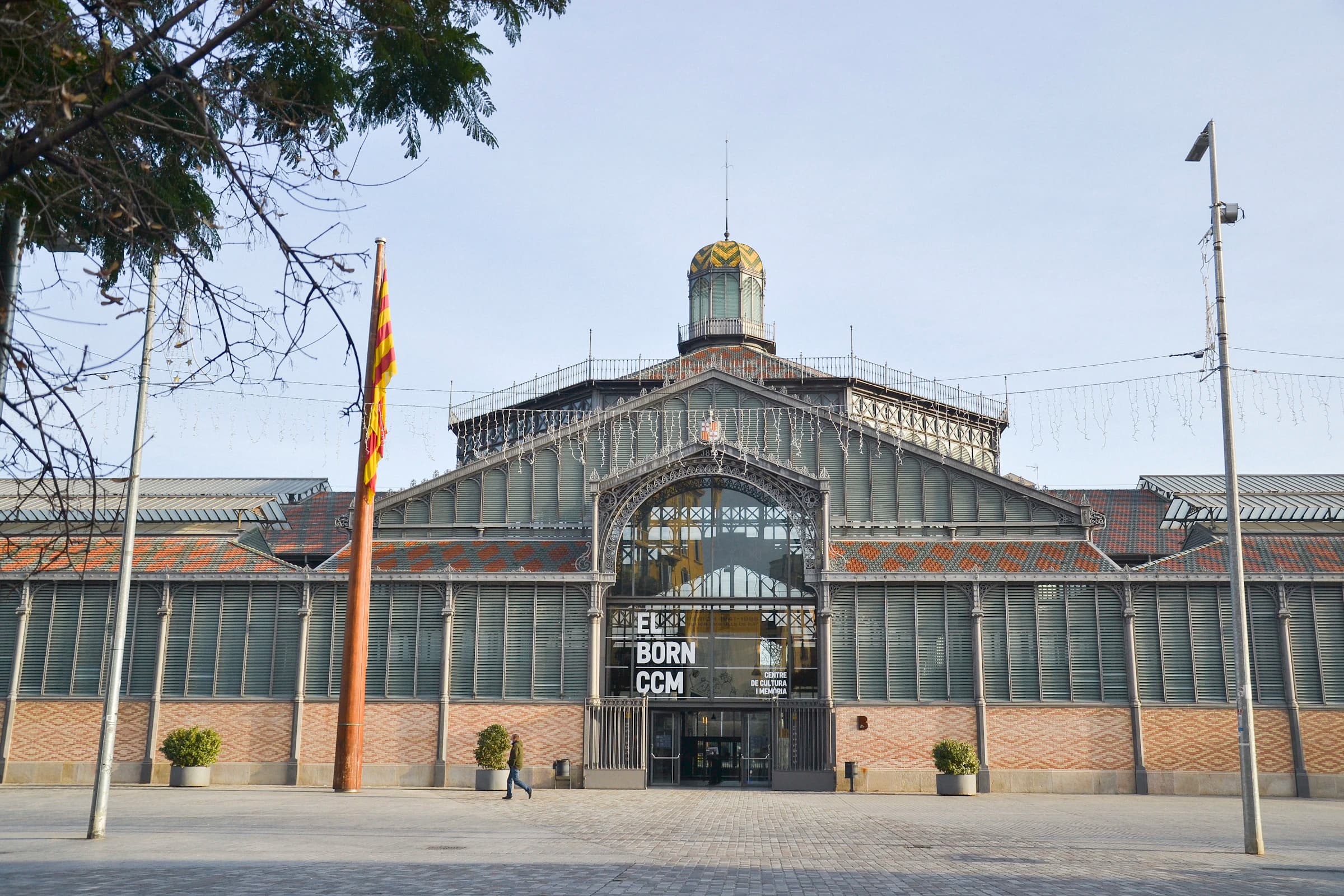
- Passeig del Born: walk towards the former market, using the promenade for a pause before another stop.
- MUHBA El Born: choose this for urban archaeology and the history of the neighbourhood; check the specific visit and reservation.
- Carrer de Montcada and Museu Picasso: choose this for the artist and his relationship with Barcelona; museum tickets are separate from the street walk.
Choose one cultural anchor
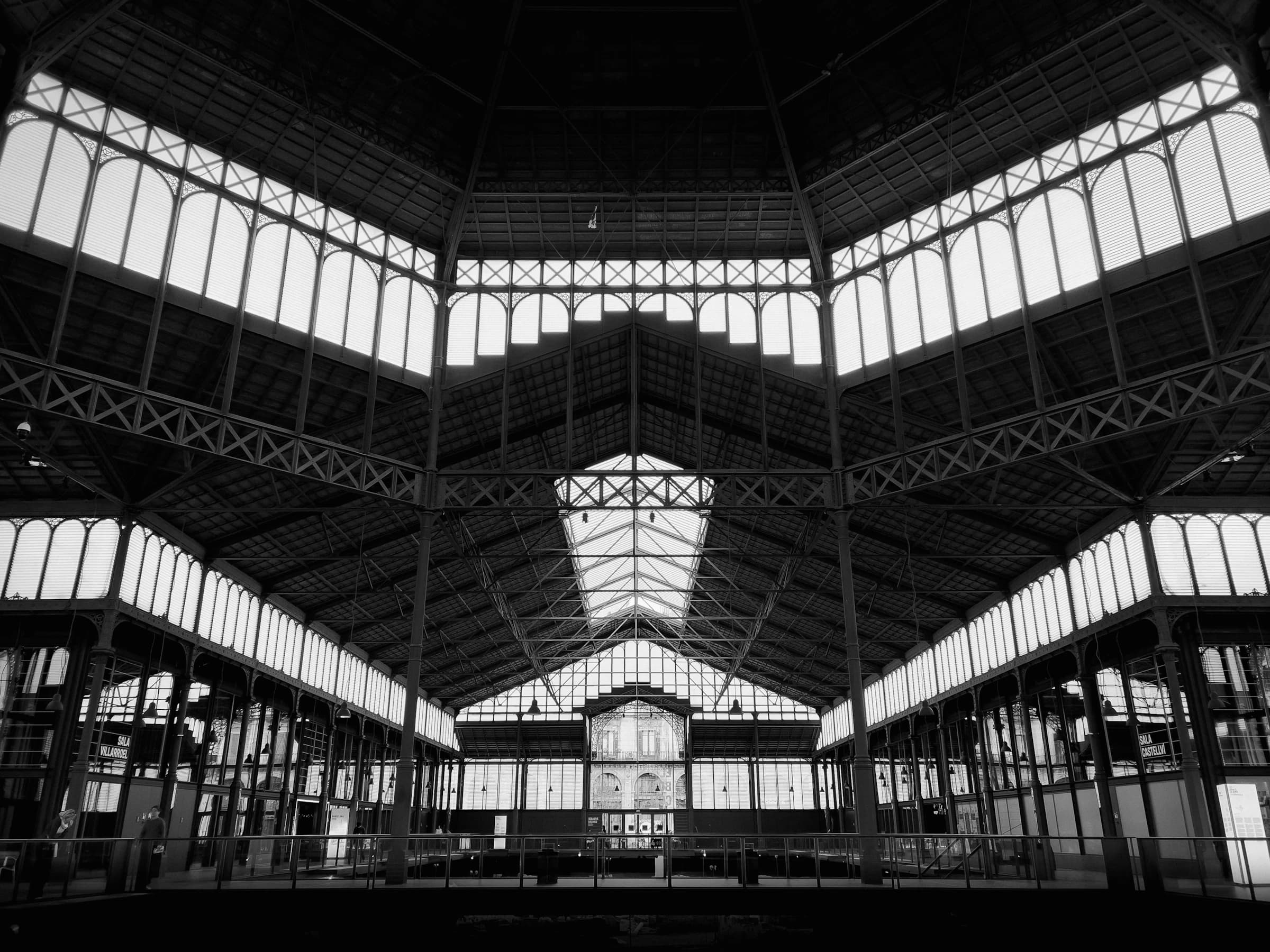
The former Born market contains an archaeological site, while the Museu Picasso occupies historic buildings on Carrer de Montcada. Treat them as different kinds of cultural visit. One asks you to consider urban traces; the other offers an encounter with an artist and a museum setting. Pick the one that matches your interest before combining both. An afternoon with one anchor and a flexible walk is easier to enjoy than a schedule with several competing entry times. Leave the second venue as an option, not a promise you must fulfil regardless of fatigue, weather or attention.
Make the street walk its own experience
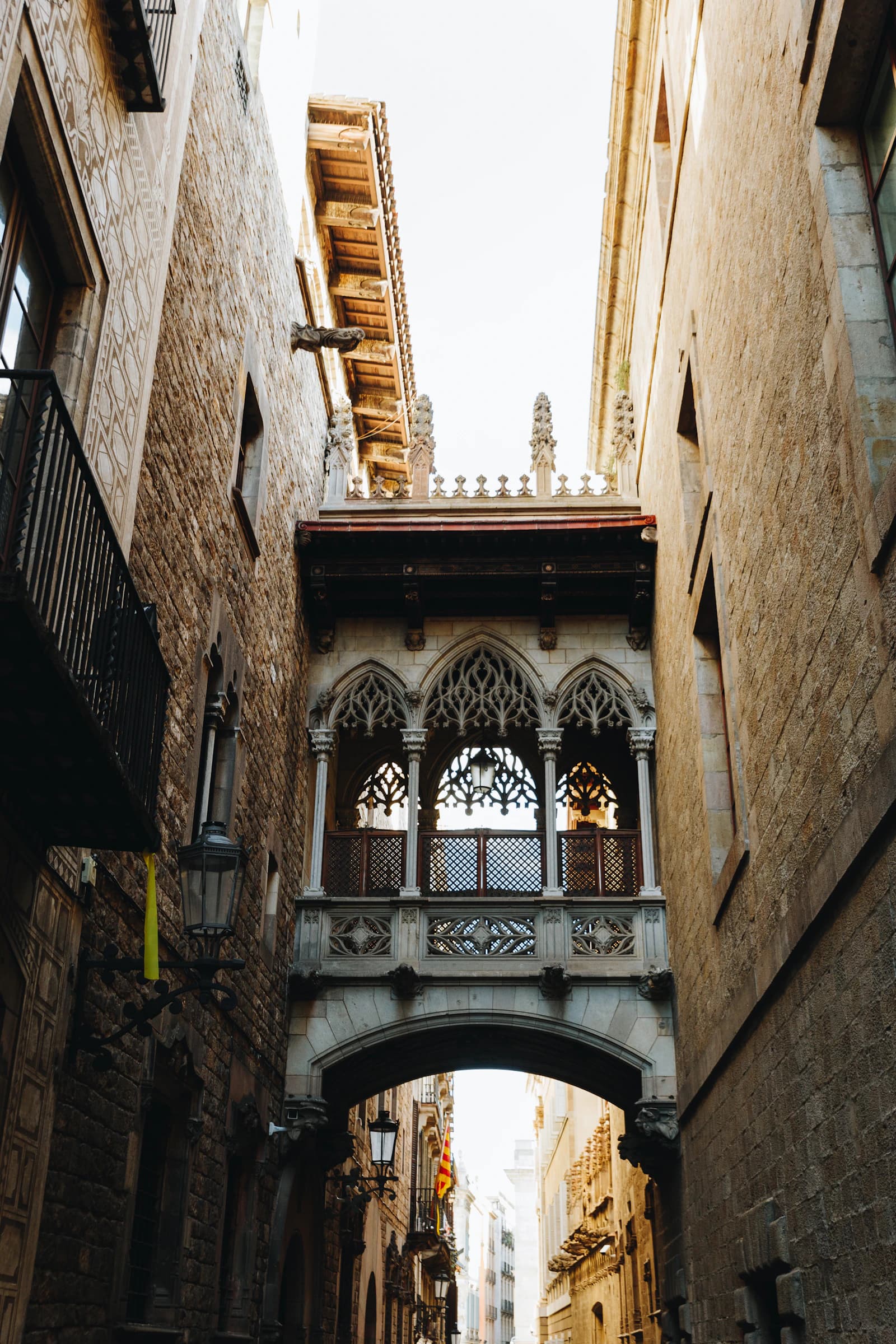
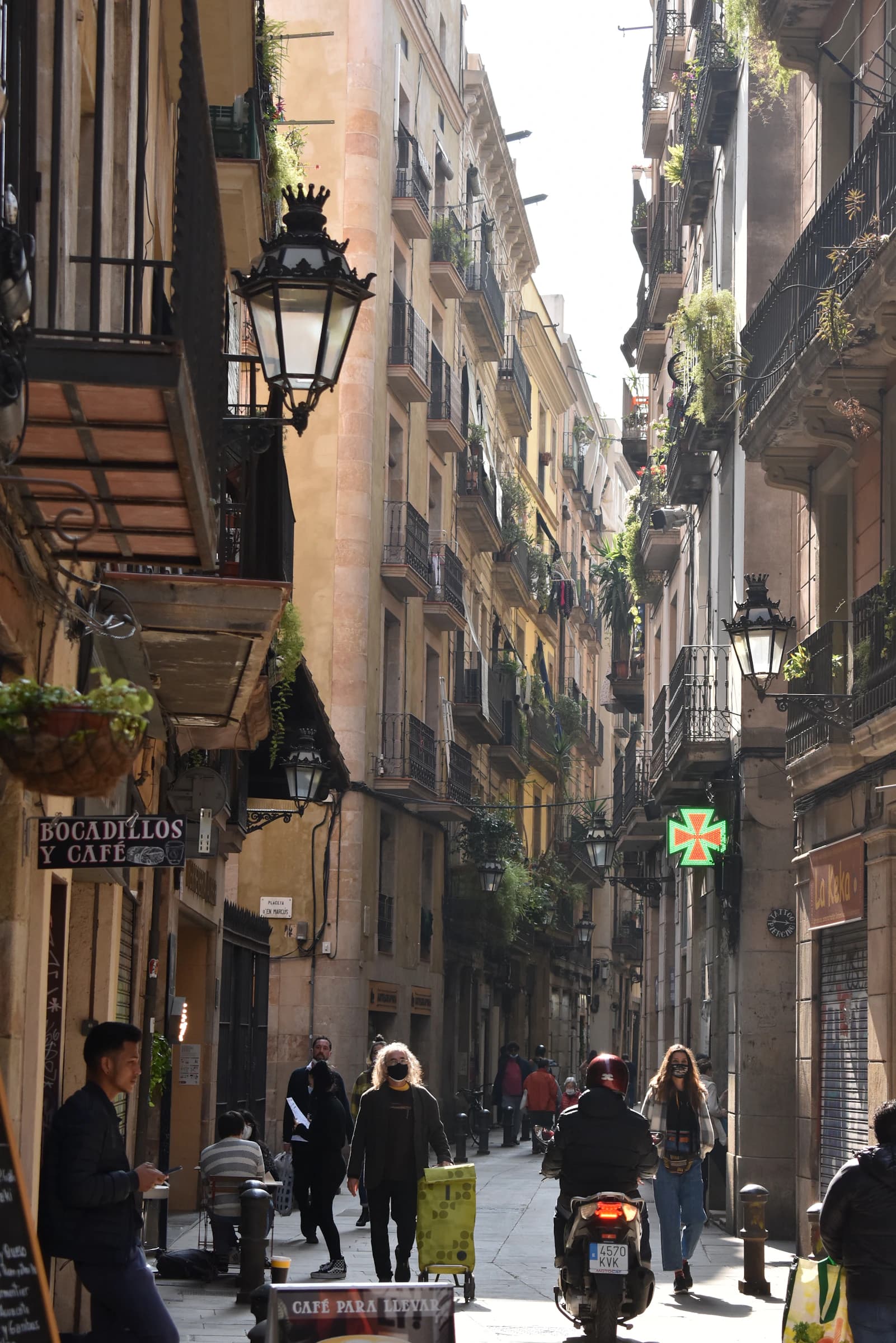
Between cultural stops, put the map away briefly and observe how the street is being used. Look at the width of a passage, the depth of a doorway and the way a shopfront sits beneath an upper floor. These are observations you can make without knowing a building’s complete history. Avoid turning a working shop or a residential entrance into a group stopping point. If you want an explanation, move to a wider space where the whole group can hear and people can still pass. A street walk becomes more rewarding when it notices everyday use alongside architecture.
Put reservations before optional detours
If you book a museum or another timed activity, use it to organise the day rather than placing it between unpredictable stops. Read the official instructions for arrival, admission and any separate exhibition. Leave a buffer before the reservation, then use the unbooked part of the walk for exploration. If you prefer to keep the whole afternoon open, do not describe a cultural venue as a guaranteed stop. You can decide later whether to enter, subject to actual availability. This distinction makes your plan honest and stops a pleasant detour from becoming a race through the final streets.
Plan a pause that belongs to the route
A useful pause is one you can reach without abandoning the logic of your walk. Look for a wider space, decide whether you want a seated break or simply a moment to regroup and keep food choices separate from your sightseeing checklist. A café recommendation is not a guarantee of a table or a particular price. For a group, agree on how long you will pause and where you will meet afterwards. If someone wants to browse a shop, give that decision room without turning everyone else into an audience. Small agreements keep different interests from competing with one another.
Compare El Born with the Gothic Quarter carefully
Visiting both areas can be useful if you choose a comparison, not a competition. Ask how different squares connect to their streets, how cultural buildings shape the surrounding activity or how your walking pace changes between passages. Do not reduce the comparison to which neighbourhood is more authentic. Both are lived-in parts of a changing city, and your own route is only a small sample. Separate what you actually observed from a guide’s explanation and from an impression based on a crowded moment. Those distinctions give you a more precise memory than a simple label such as lively or medieval.
Keep the final stop flexible
Before the last part of the visit, review the energy and interests of your group. A person who has spent time reading exhibition labels may prefer an open walk, while someone who skipped the museum may still want a cultural explanation. Choose a final stop that suits the people who are there now, not the plan written before travelling. Check your onward route before settling into a long break. If you want a guided walk, discuss the actual theme and duration; a private city tour does not automatically include museum tickets. Finish with one clear connection between a cultural visit and the streets you explored.
Sources and further reading
Bring the story to life
Compare routes, durations and languages, then choose the tour that fits your trip.
Explore our tours ↗