Modernisme in Barcelona: beyond Gaudí
Understand Catalan Modernisme through architects, materials and building purposes, with a practical method for comparing Barcelona’s heritage.
Barcelona’s Modernisme becomes more interesting when you look beyond one famous name. It offers a way to connect architecture with craft, cultural ambition and practical uses. You do not need to recognise a style at a glance to enjoy that connection. This guide suggests how to compare buildings without reducing them to decorative details, and how to notice the different people and purposes behind what you see.
At a glance
- Check the architect rather than attributing every distinctive building to Gaudí.
- Compare building purposes and material relationships.
- Use an official route to choose a coherent selection, not to complete a checklist.
Start with several architects
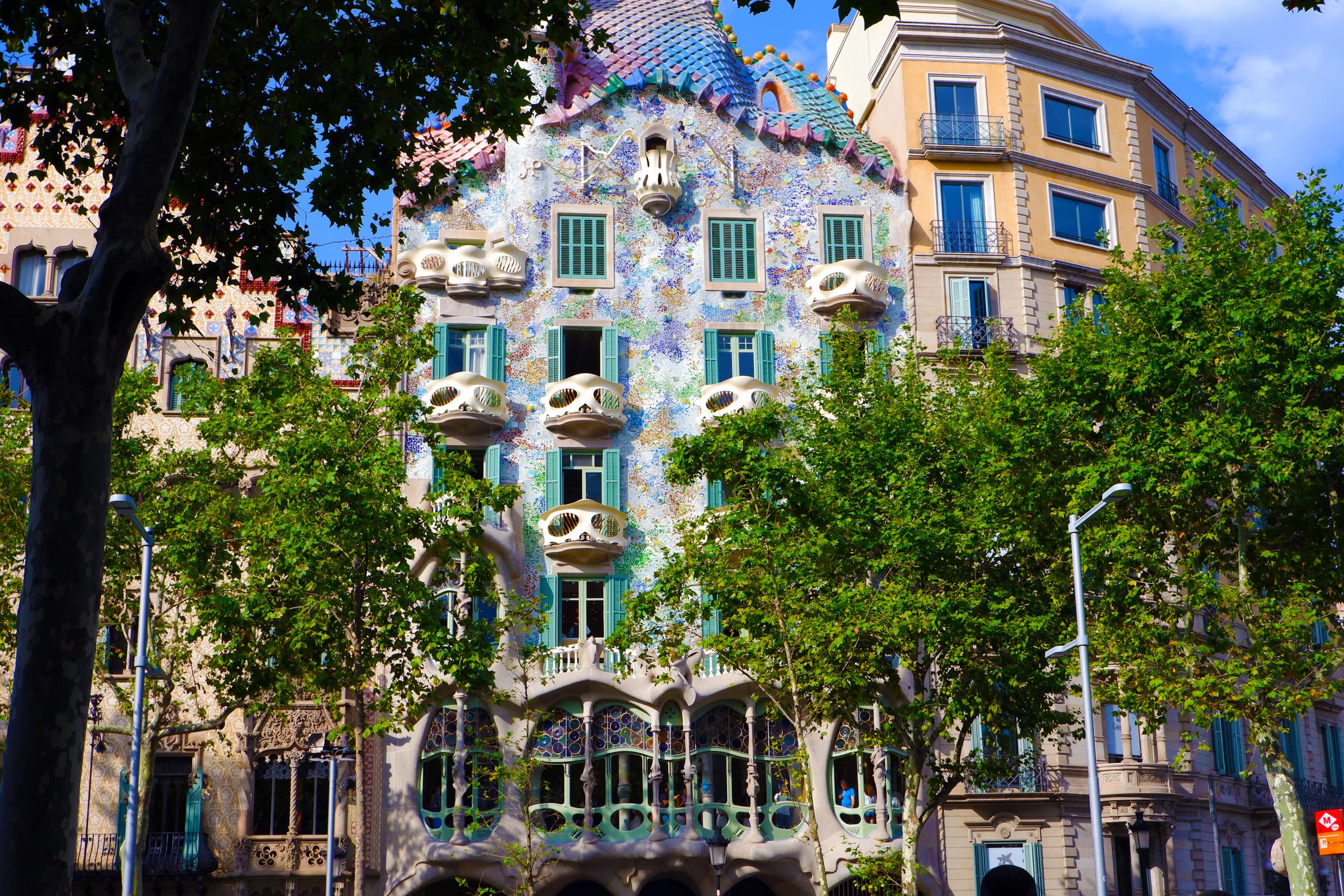
The official Modernisme Route includes Gaudí, Domènech i Montaner and Puig i Cadafalch among its architects. Keep those names as a reminder that a movement contains different approaches rather than one signature copied everywhere. When you study a building, check its actual attribution before describing it as a Gaudí work. A familiar curve or a colourful detail is not sufficient evidence. Try making a small comparison chart with building, architect and one question. You can add an observation after each visit. This simple framework prevents a broad artistic movement from collapsing into a single personality and makes unfamiliar names easier to connect with specific places.
Ask what the building was meant to do
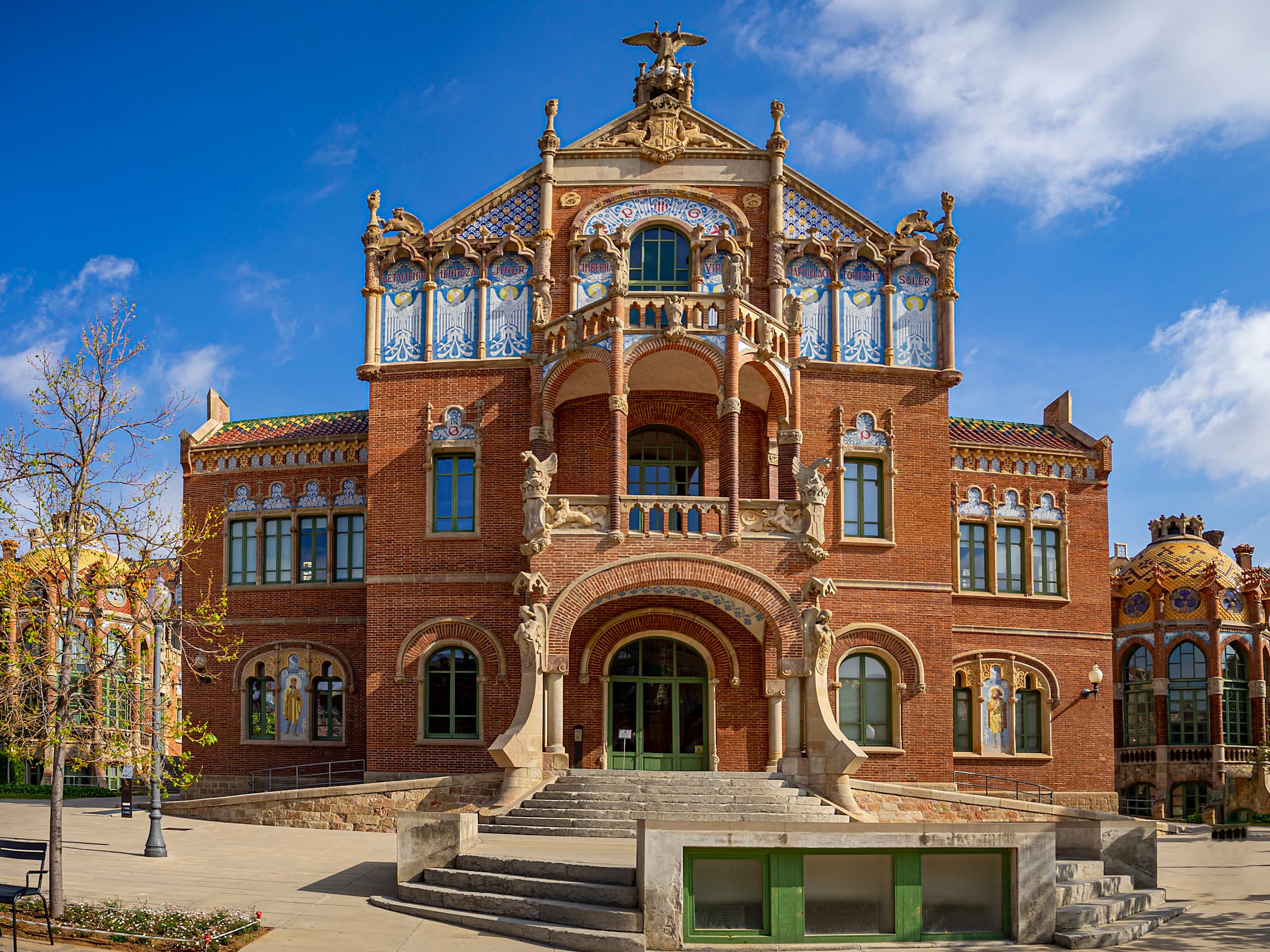
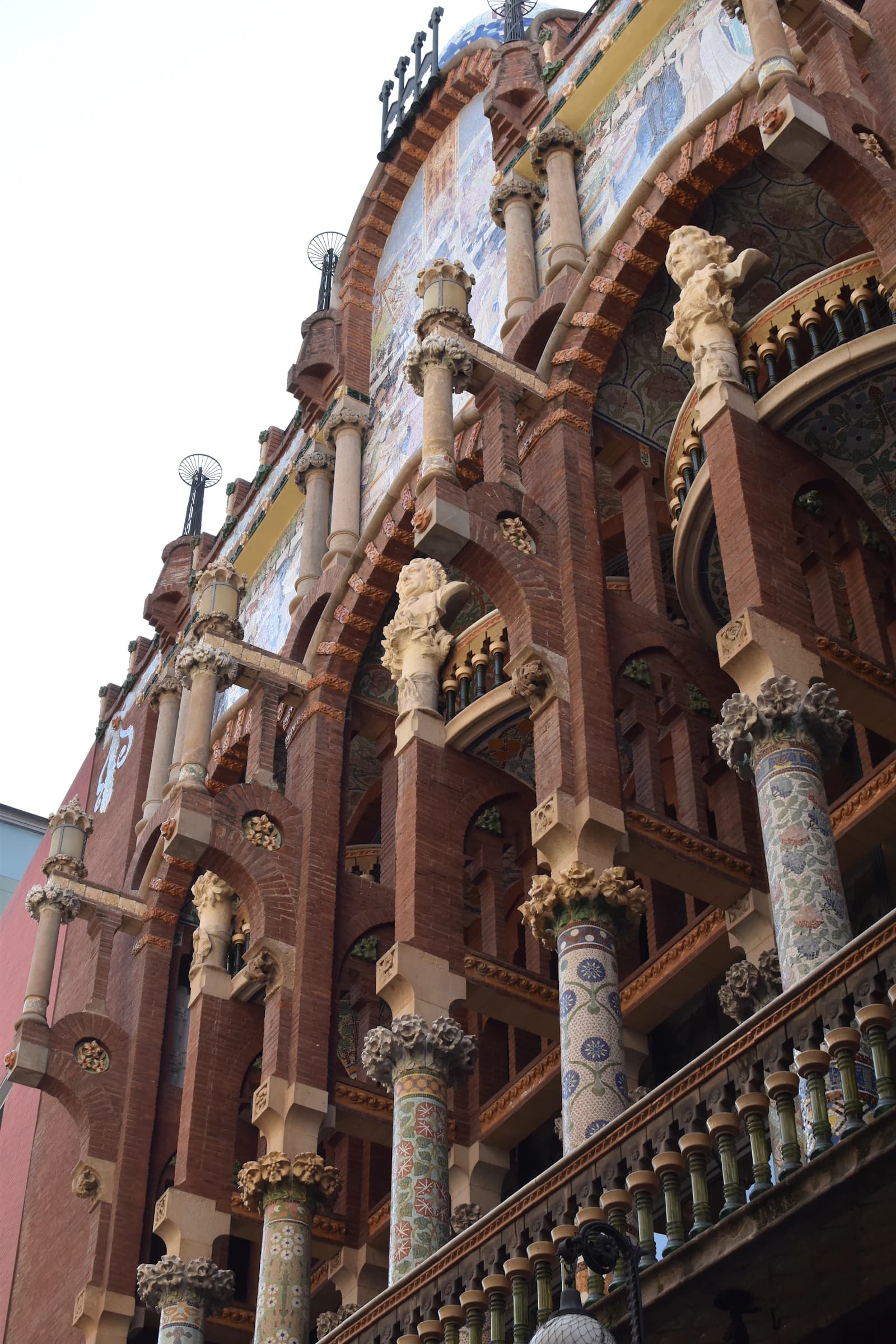
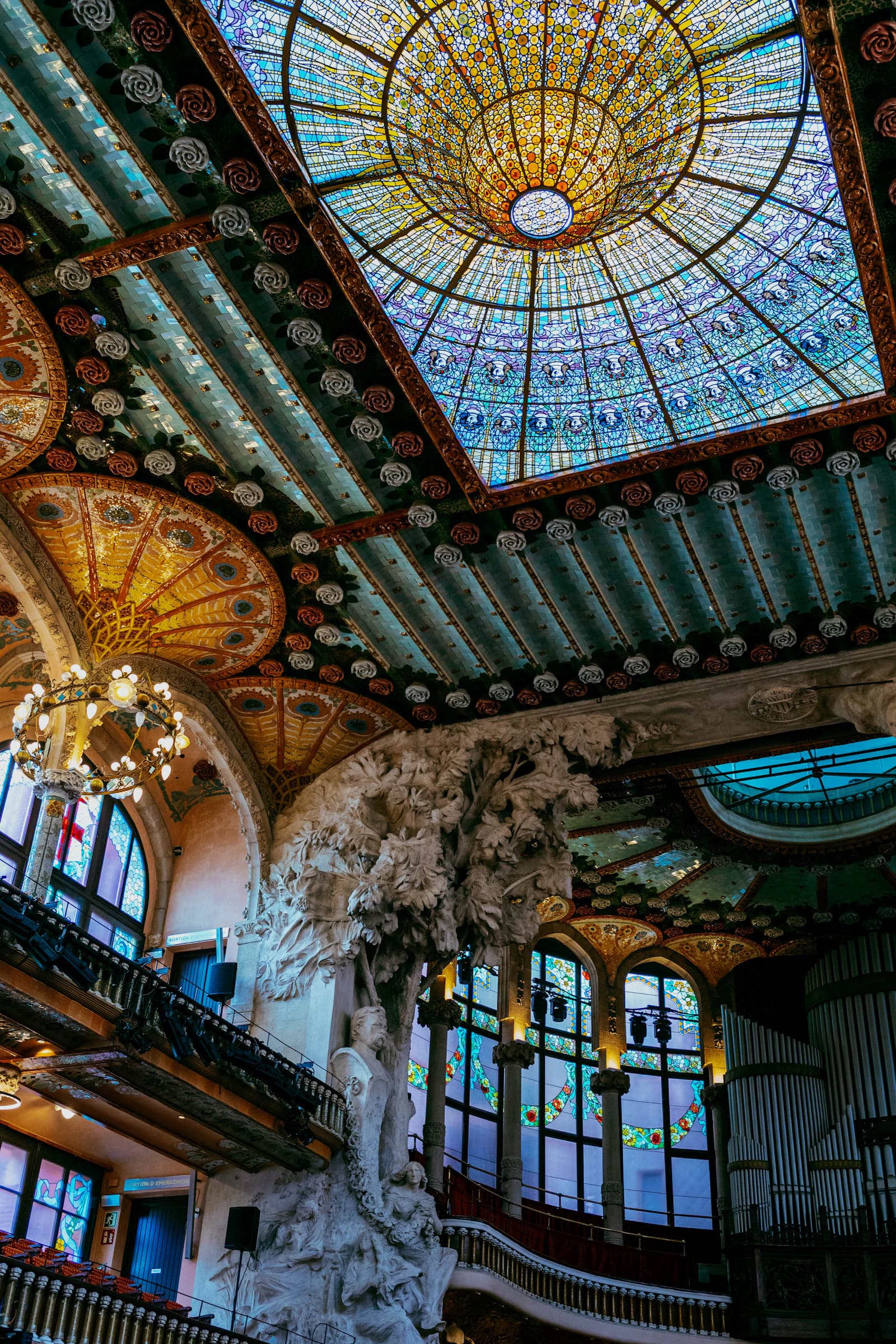
Compare purposes before comparing ornament. A house, a hospital and a concert hall face different practical questions. Ask who would have used the building, how they would have moved through it and what the design might have helped them do. Sant Pau and the Palau de la Música are works of Domènech i Montaner, providing a useful contrast with Gaudí’s houses. You do not have to visit all of them on one day. Even preparing that comparison can sharpen your attention. A decorative surface becomes more interesting when you ask whether it marks an entrance, creates an atmosphere or contributes to the identity of an institution.
Look for the relationship between materials
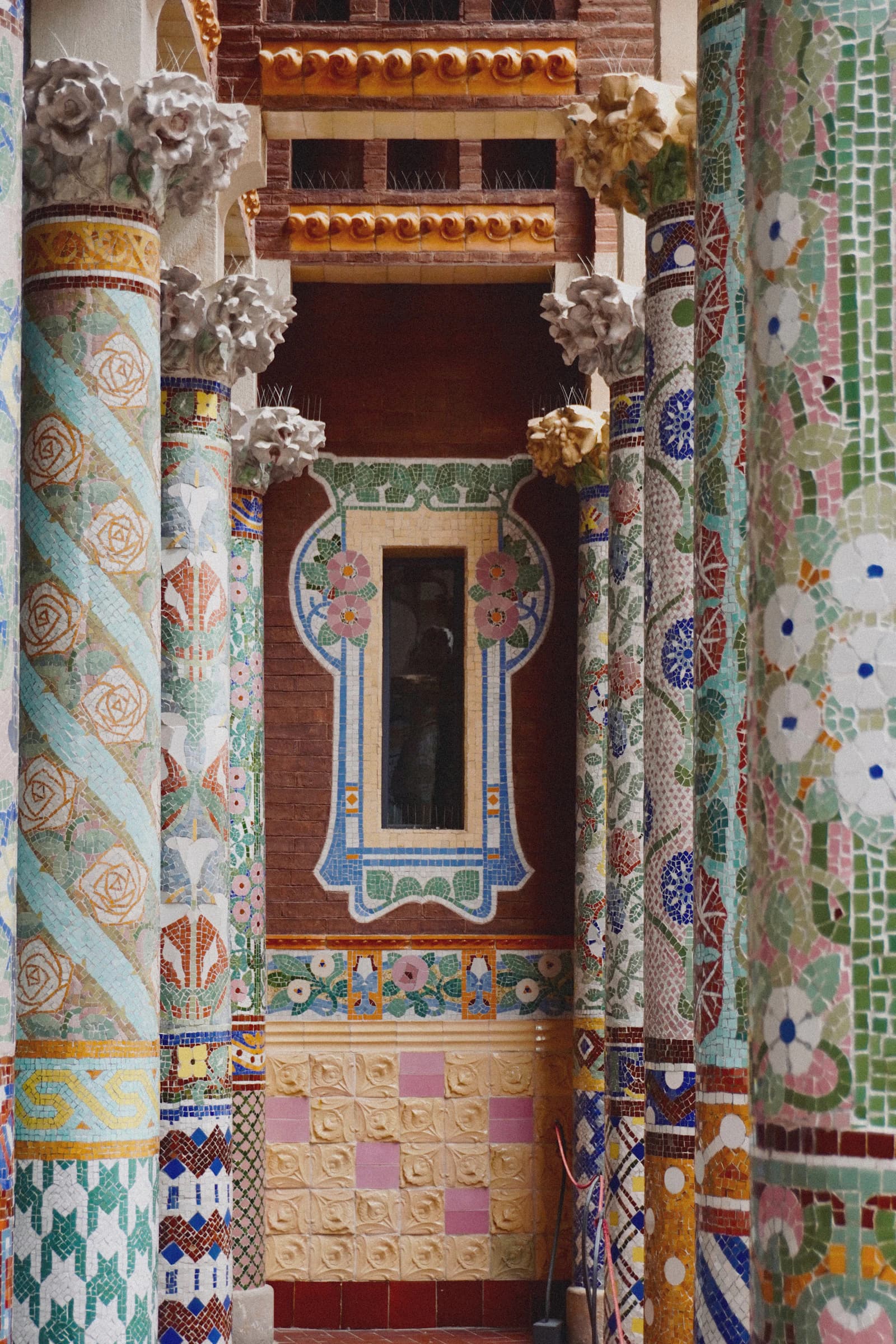
Choose two materials that you can identify confidently and examine how they meet. Does one frame the other, provide contrast or repeat its rhythm? Look at edges as well as centres: the junction between elements often gives you a more precise question than the most photographed feature. Avoid assuming that everything was produced by a single person. Ask about designers, craftspeople and restoration when you want to understand how a detail was made. If you cannot identify a material, describe its visible texture instead of guessing. That description gives a guide something clear to explain and keeps observation grounded in what is actually present.
Use context without turning it into a lecture
The official La Pedrera account relates Modernisme to Barcelona’s urban growth and the collaboration of architecture and crafts. Use this short context to frame a question, not to recite an entire social history beside each building. For example, ask what makes a home distinctive in an area where its neighbours also attract attention. You can compare that question with the identity of a public institution. Keep an eye on your own assumptions: expensive-looking detail does not by itself prove how every resident lived. A good historical explanation links a specific feature with reliable evidence and admits when a conclusion requires more information.
Build a route around comparisons
Select two or three places with a clear relationship. They might have different purposes, different architects or contrasting ways of using the same material. Decide what the first stop introduces and what the second allows you to compare. Do not feel obliged to complete an entire official route in one trip. It is a resource for choosing, not a test of how many buildings you can reach. If you want to visit interior spaces, arrange the relevant monument tickets separately and read their current access information. Unlocked Tours’ city tours offer interpretation of Barcelona’s architecture; the named buildings do not imply bundled admissions.
Keep your conclusion specific
At the end of the route, describe one comparison you can support with an actual observation. Instead of saying that all Modernisme is colourful or strange, explain how a particular material, pattern or opening worked differently in two buildings. You can keep another question for a future museum or monument visit. This makes architectural discovery cumulative: each new place changes what you notice in the previous ones. If travelling with people who are less interested in architecture, invite them to choose a detail based on daily experience, such as a doorway or window. Their questions may produce a more lively discussion than a succession of specialist terms.
Sources and further reading
Bring the story to life
Compare routes, durations and languages, then choose the tour that fits your trip.
Explore our tours ↗