Sant Pau: Modernisme designed for care
Discover a different architectural question at Sant Pau: how a hospital design links practical needs, atmosphere and Barcelona’s Modernisme heritage.
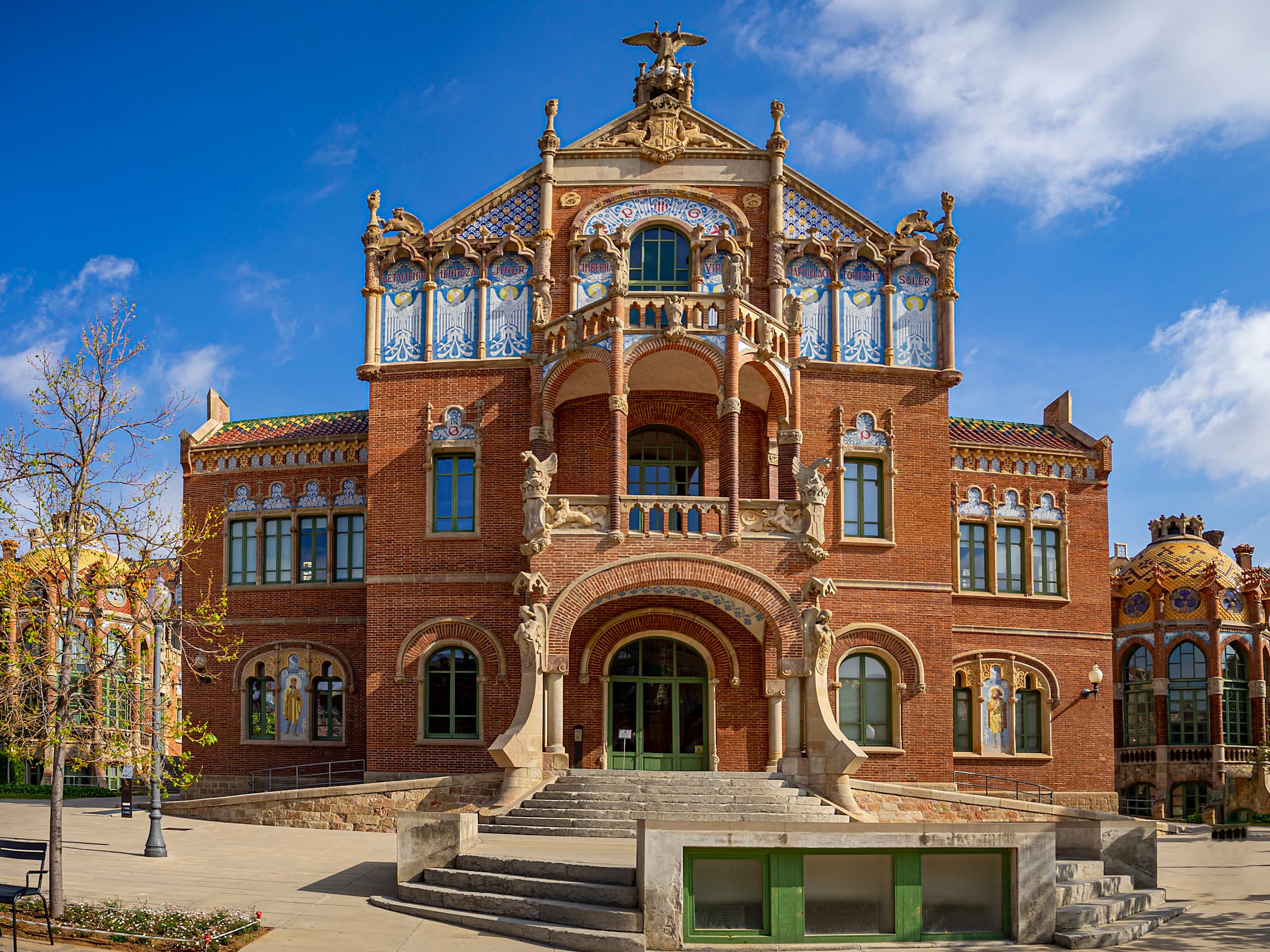
Sant Pau invites you to change the question you ask of Barcelona’s architecture. Instead of beginning with how a building attracts attention, begin with how a place might support people who need care. This perspective makes details, distances and atmosphere part of the same discussion. You can appreciate an architectural landmark while also considering the everyday needs it was designed to address, without reducing a former hospital to a decorative backdrop.
At a glance
- Attribute Sant Pau to Domènech i Montaner.
- Use the relationship between design and care as your guiding question.
- Check access directly with Sant Pau and keep reservations distinct.
- The current Unlocked Tours catalogue does not include a Sant Pau site visit.
Place Sant Pau within Modernisme
Sant Pau is a work of Lluís Domènech i Montaner, not Gaudí. This attribution matters because it broadens the picture of Barcelona’s architecture and lets you compare different responses to different purposes. You need not create a rivalry between architects. Ask which questions become important when the users are patients rather than a household or a concert audience. Look up the architect’s official biography if you want to connect the site with other works. Keep the relationship between building and use at the centre of the visit. The most memorable conclusion may concern an ordinary need rather than an extraordinary decorative feature.
Understand the pavilion idea
The historic hospital used separate pavilions, gardens and connecting tunnels. This concise background offers a question you can explore: how does dividing a large institution into parts change orientation, movement and the experience of scale? Do not assume that a charming appearance by itself explains historical medical practice. Use the site’s official history to distinguish what is documented from your own impression. When examining a plan, identify how the parts relate before counting buildings or trying to remember every name. Ask what a visitor, a worker and a patient might need to understand about the layout. Their routes need not have had the same purpose.
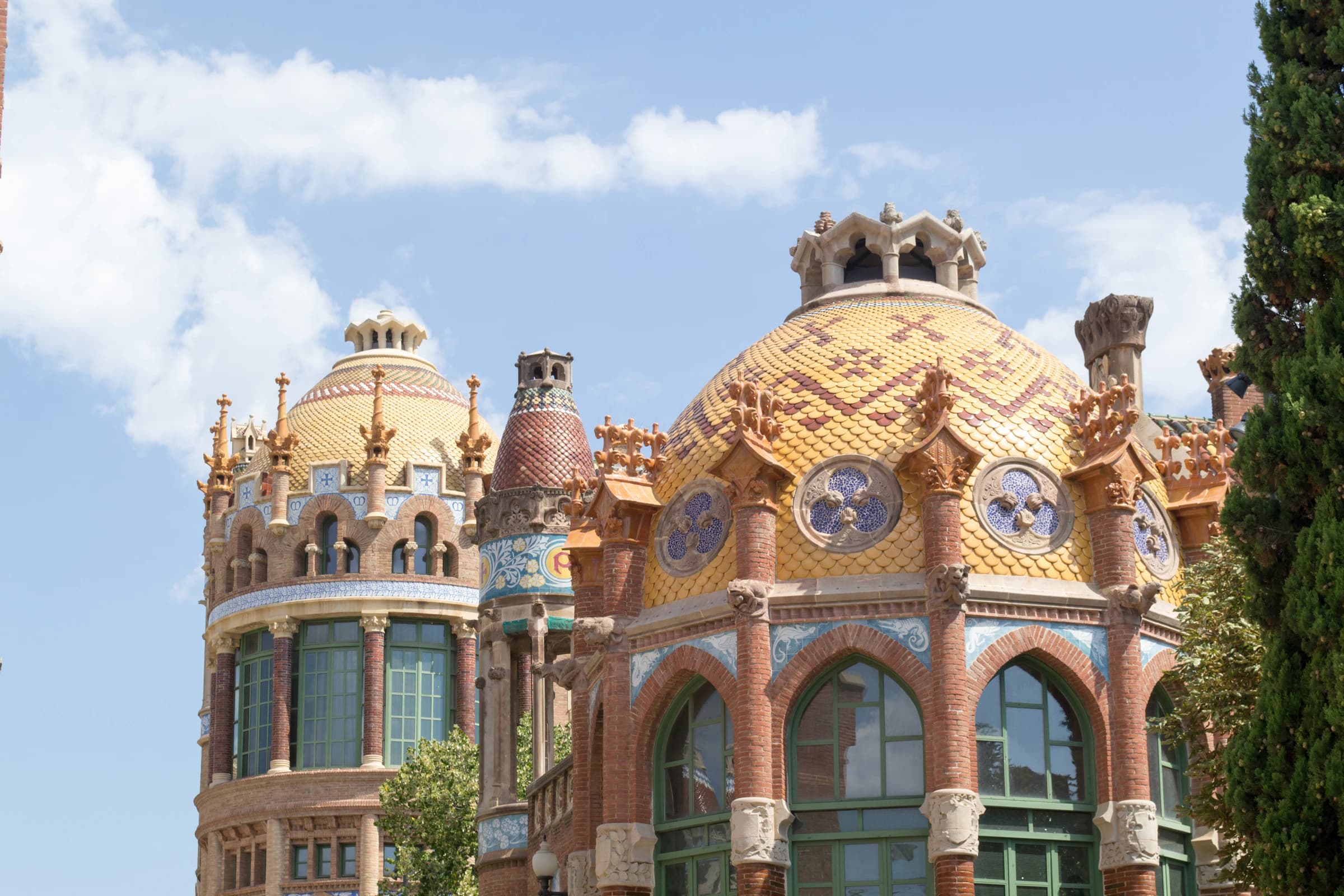
Think about comfort without making medical claims
Consider ordinary experiences such as finding your way, recognising a destination and having a place to pause. These questions can help you examine architecture without claiming that a specific decorative feature cured illness. Compare the feeling of a small element with the scale of the larger complex. Notice where your attention moves and what helps you distinguish one part from another. A historical hospital asks for a respectful approach: the needs and experiences of patients are not simply a theme for picturesque images. If a guide discusses care, ask how the explanation is supported rather than turning an appealing architectural idea into an unproven health claim.
Give materials a practical question
Choose a surface or repeated detail and ask two questions: what do you notice, and what would you like to know about its function? Texture, colour and the relationship between parts can be described without knowing a technical name. Then seek a documented explanation from the site’s interpretation rather than guessing that an attractive element was only ornamental. You can compare your observation with a domestic building elsewhere in Barcelona. Does the same kind of detail create a different impression when associated with a public institution? Keep the comparison precise. A doorway, a pattern or a transition between areas is enough to generate a worthwhile discussion.
Plan the site visit independently
Before deciding on an access product, read the official Sant Pau information for the particular visit you want. Check the current route, access arrangements and any relevant accessibility needs. This article does not establish today’s ticket price or opening schedule. Avoid using another person’s old visit as proof that the same spaces or conditions apply now. If combining Sant Pau with a timed activity elsewhere, leave margin for travel and orientation rather than calculating only the distance. Save the separate reservations and entrance instructions. A plan is easier to follow when each appointment has a clear purpose, a confirmed location and enough room for an ordinary pause.
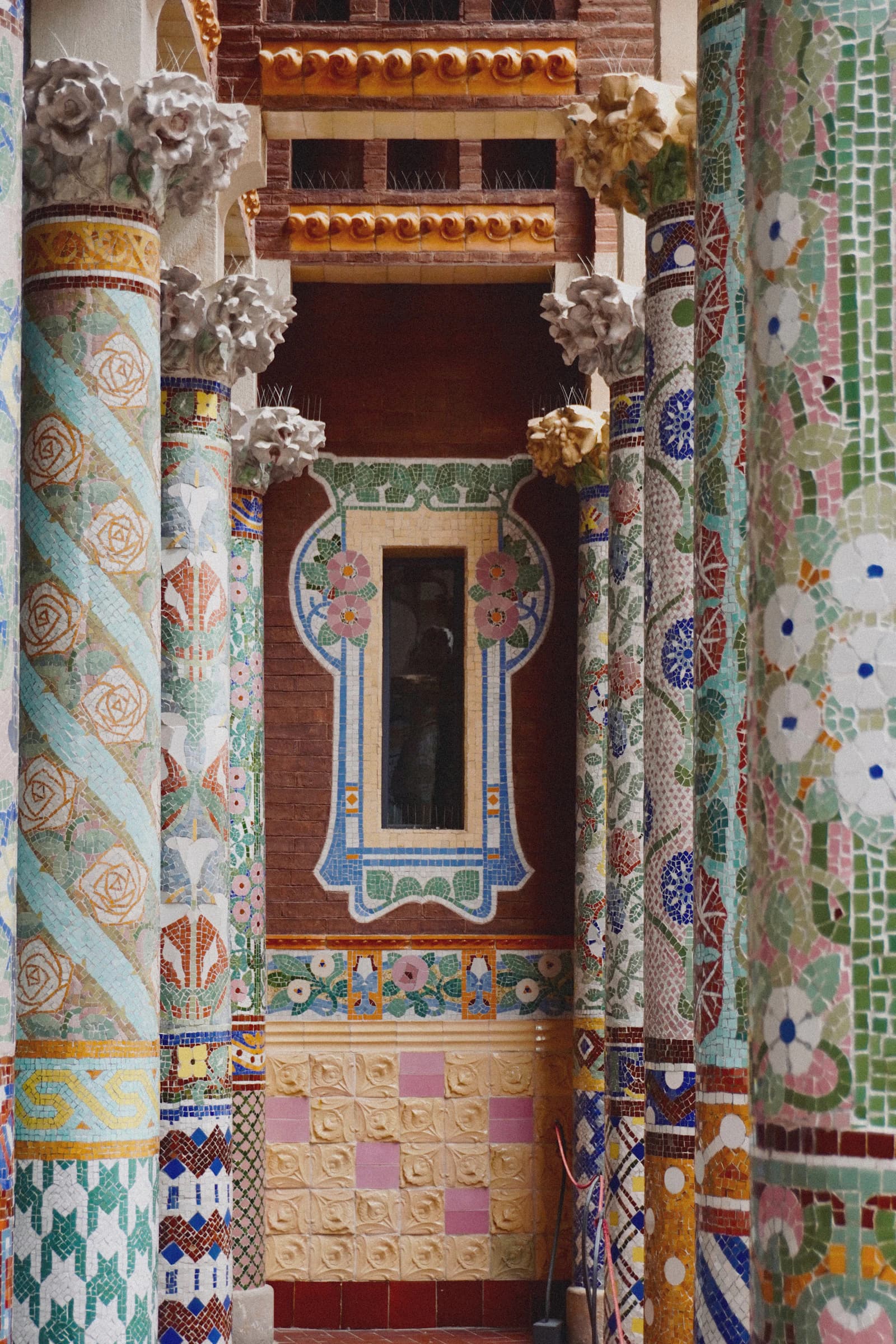
Connect care, culture and your itinerary
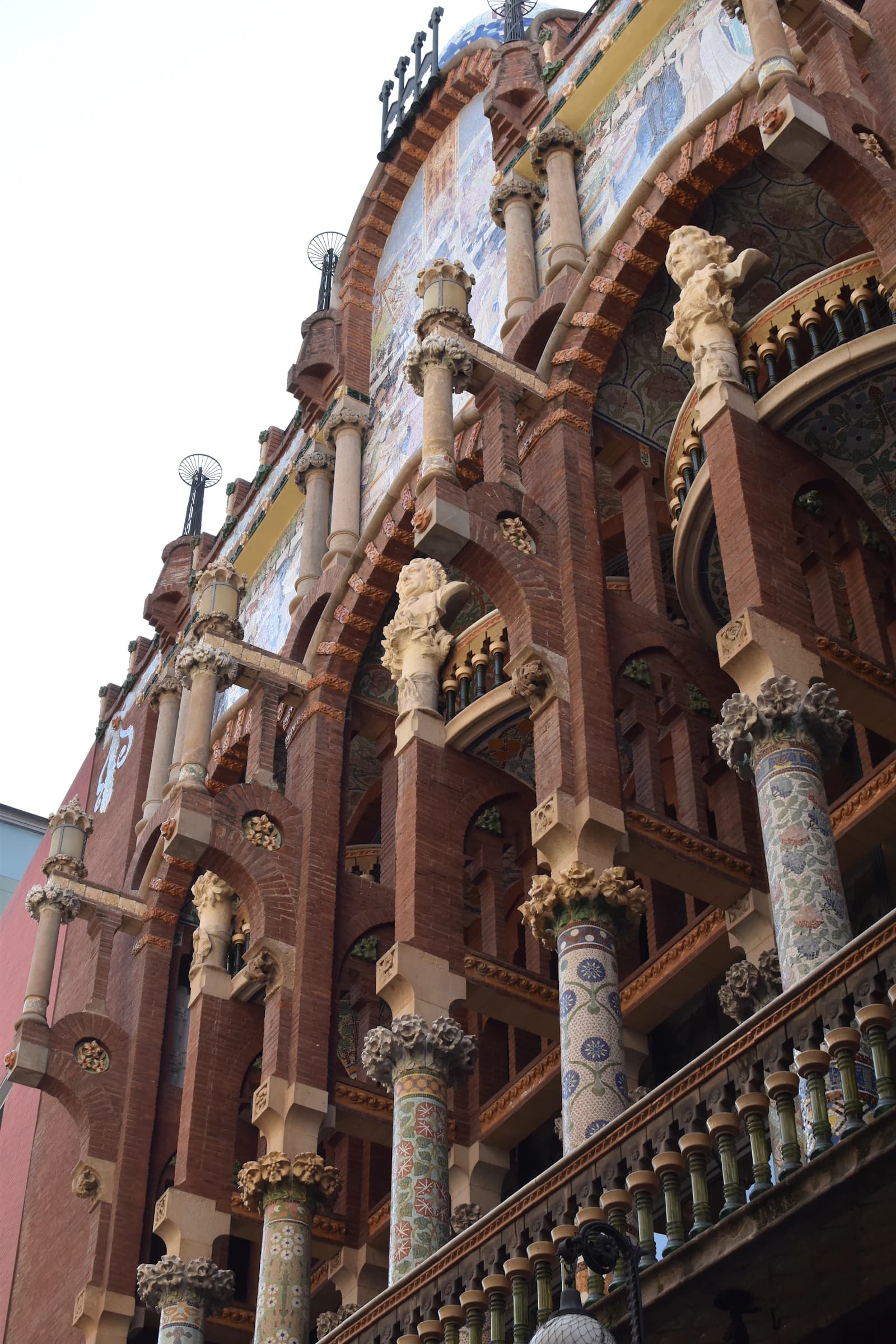
UNESCO recognises Sant Pau together with the Palau de la Música Catalana. Their different purposes make a useful comparison: how can architecture shape the experience of an institution? You can carry that question into a wider Modernisme itinerary without trying to fit every site into one day. Unlocked Tours’ current catalogue does not include a Sant Pau admission or site visit. If you discuss a private city route, confirm the agreed stops and arrange monument access separately rather than inferring it from this related guide. End by writing one question about practical use that you did not ask before. That new question is a useful souvenir of architectural discovery.
Sources and further reading
Bring the story to life
Compare routes, durations and languages, then choose the tour that fits your trip.
Explore our tours ↗