Casa Batlló or La Pedrera: how to choose
Compare two Gaudí houses by colour, structure and your own interests, and choose a visit without relying on a one-size-fits-all ranking.
There is no universal winner between Casa Batlló and La Pedrera. The right choice depends on what you hope to understand, how much time you have and the kind of experience you enjoy. Both can also fit into the same trip if you give each a different purpose. Rather than promising that one will impress everyone more, this guide helps you make the comparison specific and useful.
At a glance
- Choose by your own interests, not a universal winner.
- If you visit both buildings, compare them through the same question.
- Read the description of the specific ticket, and book monument admission separately from a city tour.
Replace the ranking with your interests
Ask yourself what draws you to architecture. Is it colour, the layout of spaces, unusual materials, the feeling of moving through a building or the challenge of making a house work? Pick two interests, then read the official visitor descriptions with those in mind. A friend’s preference can raise a question, but it shouldn’t automatically decide your own visit. Don’t count spectacular photos as if they measured the quality of an experience. A building can matter because it changes the way you think about ordinary things. Knowing your priorities makes the choice less dependent on lists of must-see attractions.
Casa Batlló: follow colour and surface
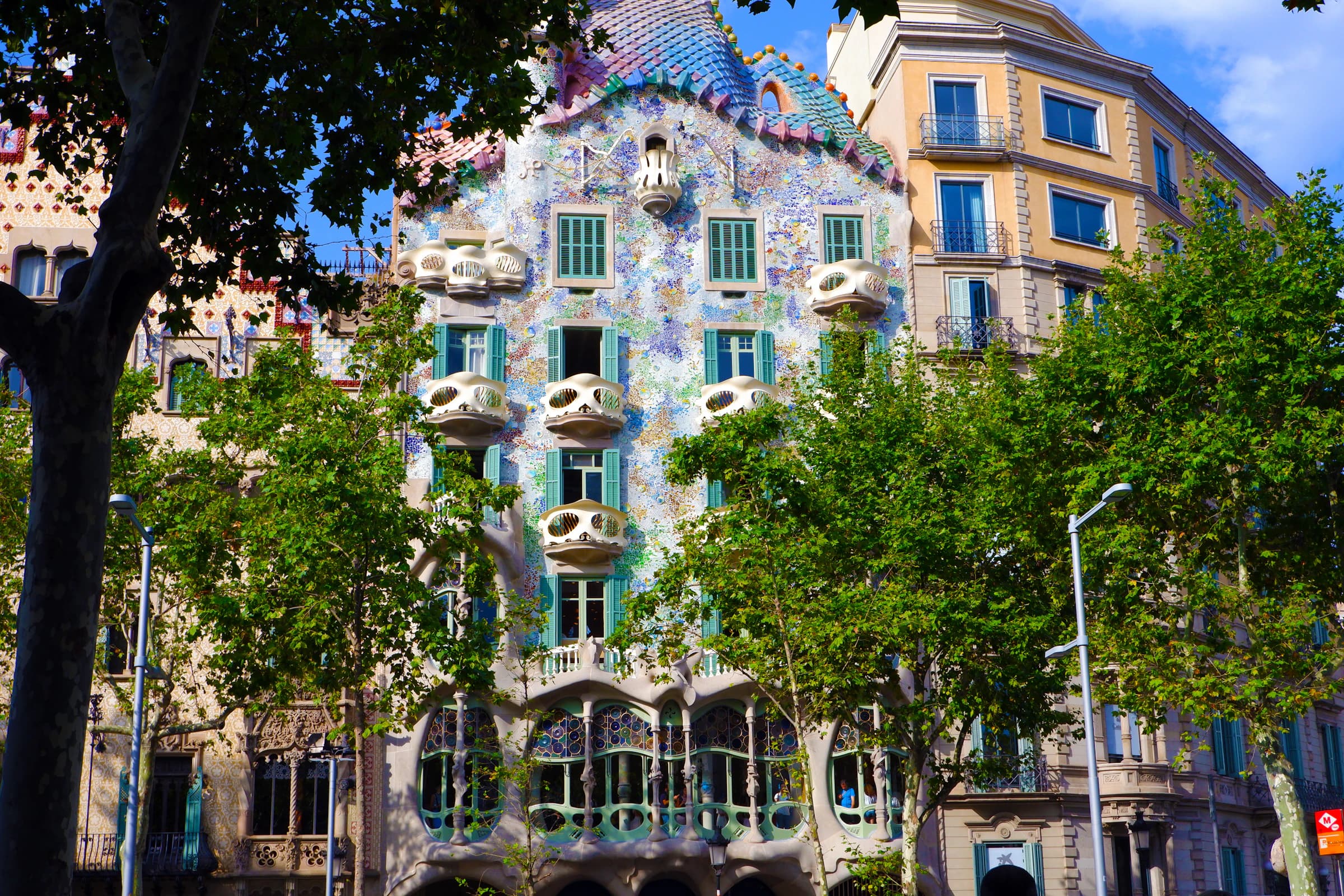
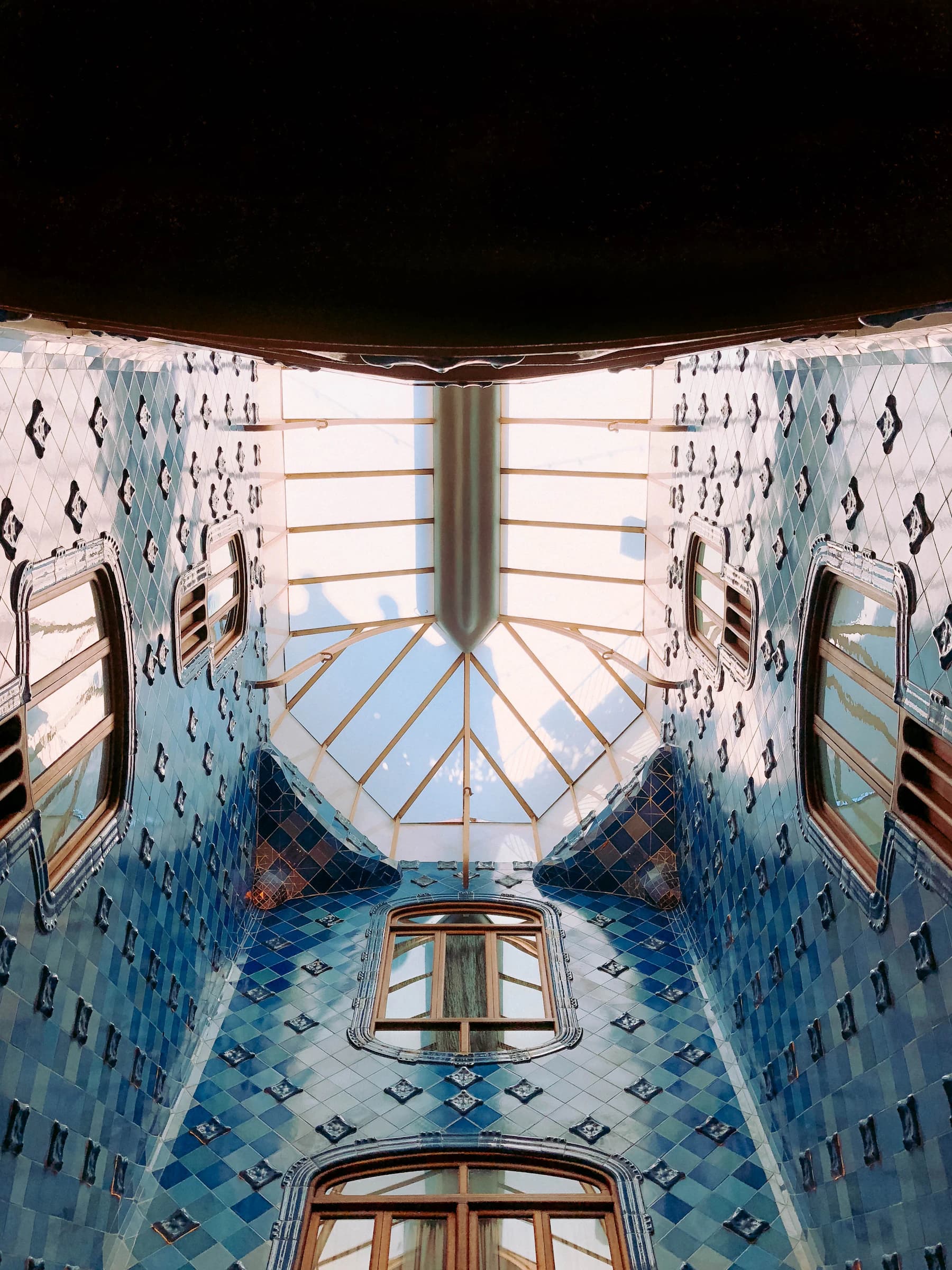
Casa Batlló’s façade combines stone, glass and ceramic. Use those materials as a way into looking rather than treating every shape as a symbol to decode. Ask how a surface changes as colour, texture and reflected light interact. You might compare the full view with a single opening or balcony and describe the difference in your own words. The house’s official façade page offers several readings of its imagery. They are invitations, not licence to claim that every imaginative association reflects the architect’s proven intention. If a detail reminds you of the sea or an animal, keep that personal response separate from a documented explanation.
La Pedrera: ask how form works
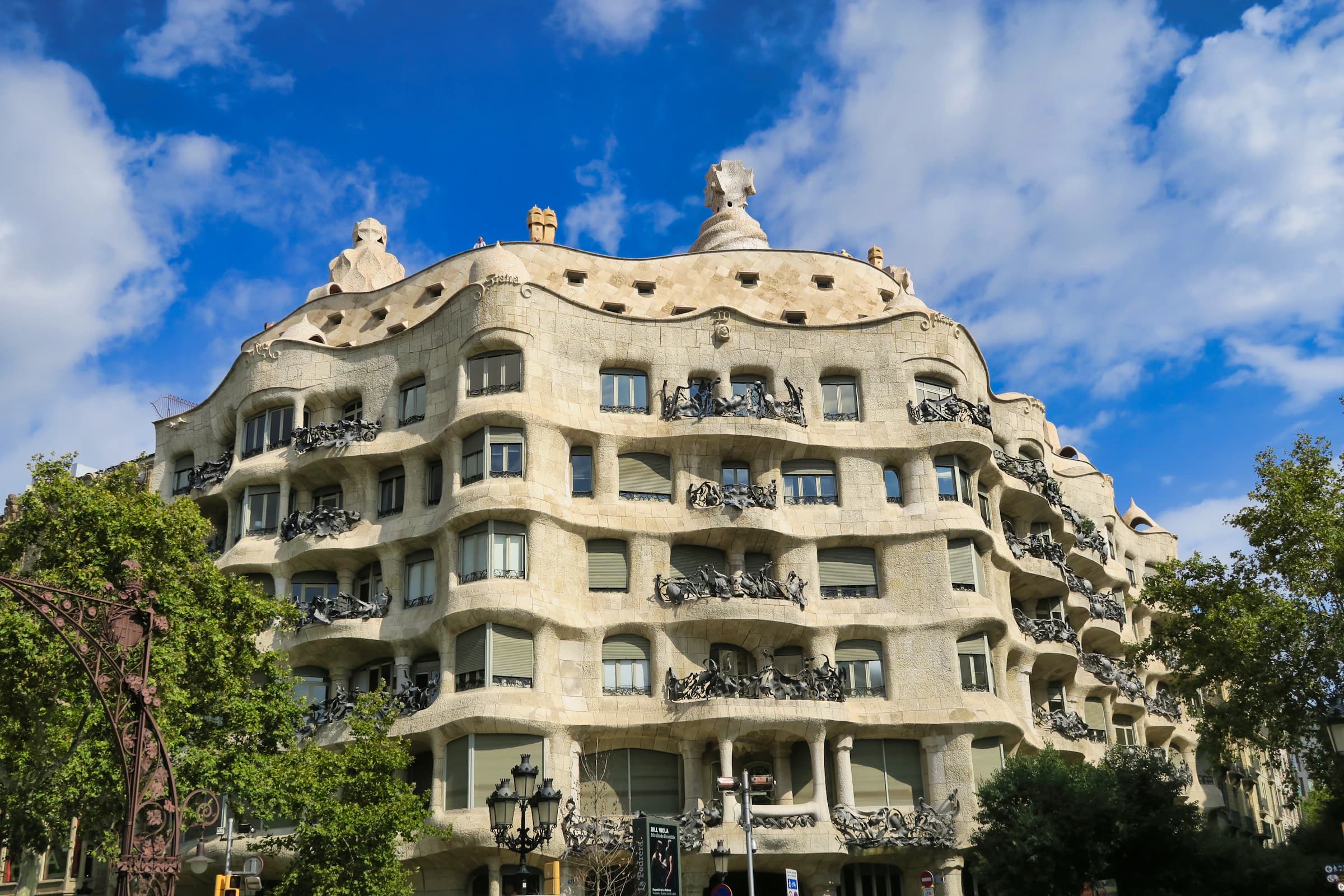
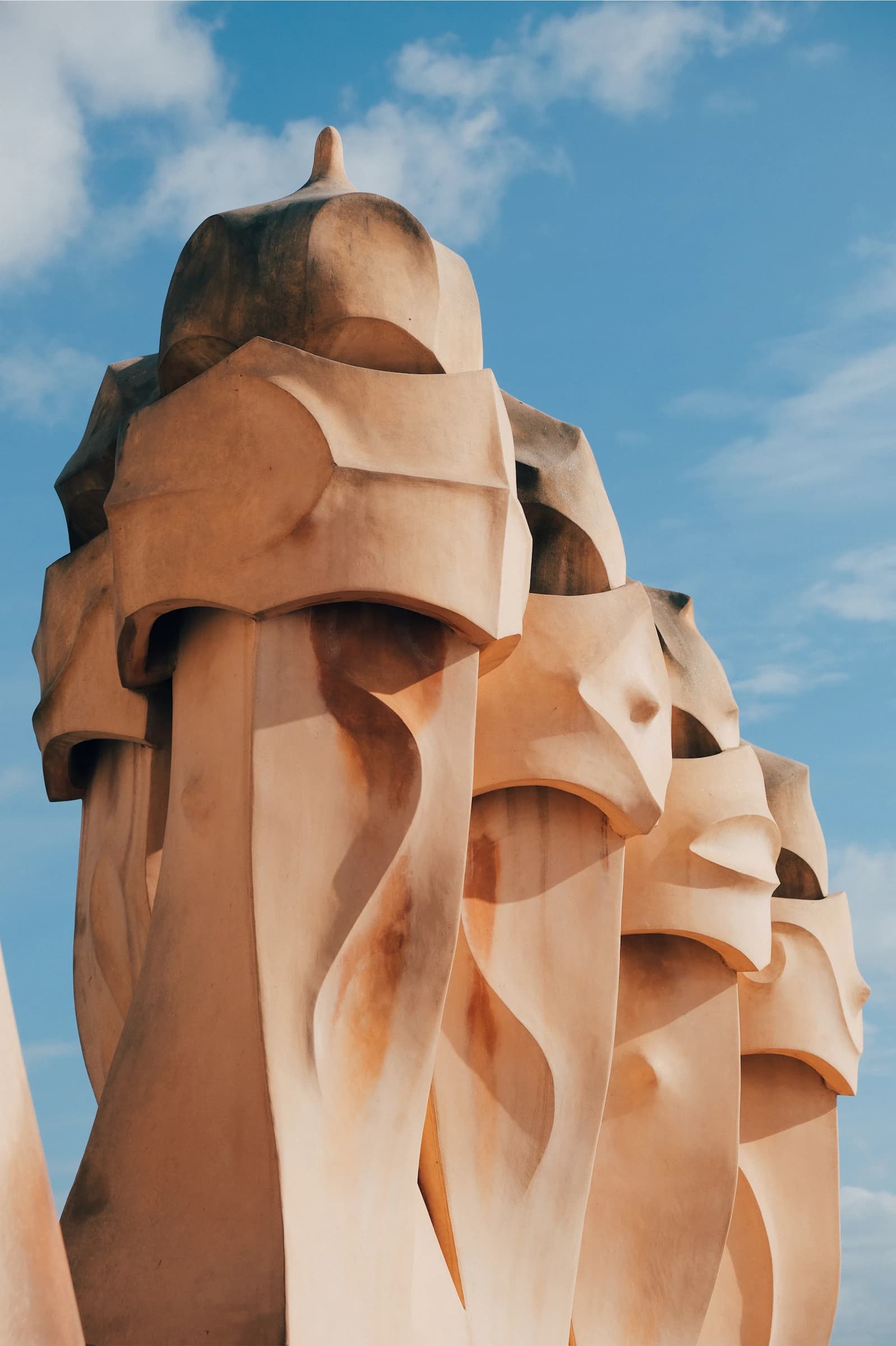
At Casa Milà, the stone façade is not load-bearing. That fact opens up a different line of enquiry: what looks heavy, what actually holds the building up and how do appearance and construction relate? You don’t need to be an engineer to ask these questions. Look for a repeated form and consider whether it seems to organise, protect or simply catch the eye. The official architectural description is the place to check technical explanations. Keep your first impression separate from the structural fact. That distinction makes a visit more interesting than calling the building unusual again and again without pinning down the design problem in front of you.
Compare the same question twice
If you see both buildings, ask the same question at each: how openings are treated, how a repeated pattern relates to its variations, or how a material guides your eye. Write a short observation after each stop before rereading your earlier notes, then ask what has changed. That way the comparison isn’t driven by whichever building you saw last. It also works well with companions whose tastes differ: each can explain an observation rather than defend a favourite. You may conclude that the two buildings answer different questions. That is a worthwhile result, even if you can’t pick a winner.
Choose the specific visit
A building’s name doesn’t tell you everything about a ticket. Read the official description of the specific visit you’re considering, including the spaces covered, any timed entry, access arrangements and cancellation conditions. Don’t rely on an old review for what’s included today. Unlocked Tours’ Gaudí city tours explain the architecture; tickets to go inside these houses are booked separately. If you’re doing a tour and a house visit on the same day, leave a sensible gap between them and check each one’s meeting or entrance instructions on its own. Compare the experience on offer, not just a headline price that may come with different conditions.
Make a choice you can enjoy
On a short trip, choose the house that best matches the questions you want to explore, and resist adding another visit just to avoid missing out. On a longer trip, put the two at different points in your stay if that leaves you more attention and energy. Neither approach means one house is essential for every visitor. After your visit, write a sentence beginning “I noticed” rather than “Everyone should”: it keeps the result personal and specific. If you want to link the houses with other architecture without turning the day into an exhausting checklist, see our related guide to planning a Gaudí route.
Sources and further reading
Bring the story to life
Compare routes, durations and languages, then choose the tour that fits your trip.
Explore our tours →