A rainy day in Barcelona: change the route, keep the purpose
Build a flexible rainy-day plan with a genuine museum choice, manageable transfers and clear questions about an existing tour reservation.
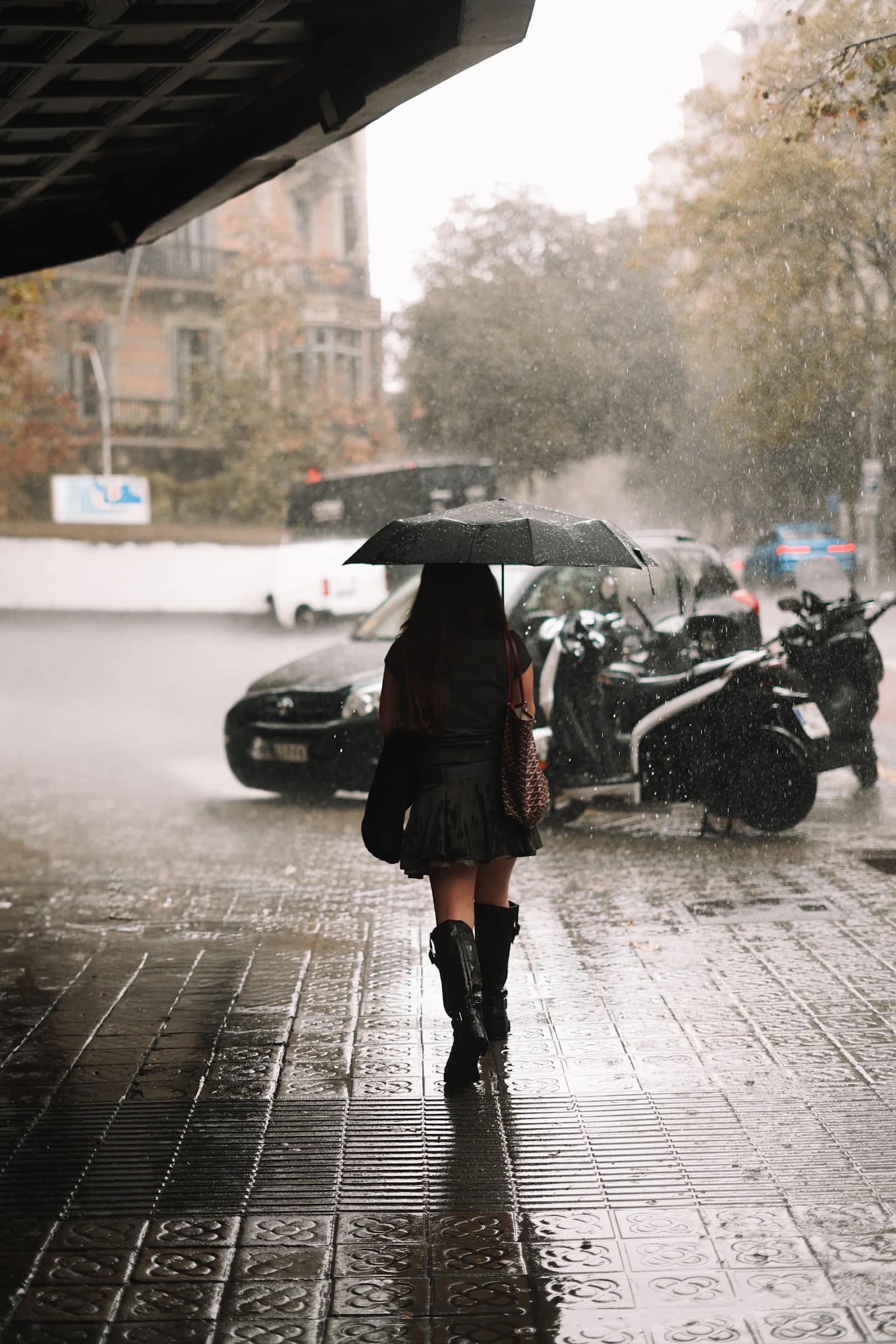
Rain does not have to turn a Barcelona visit into a scramble for any available indoor attraction. Begin with what you wanted from the day, then choose a different way to pursue it. Art, architectural context or a relaxed conversation can remain worthwhile when the route changes. This guide offers a method, not a forecast or an assurance that a booked activity will proceed. Check current venue information and your actual reservation conditions before deciding what to cancel, move or replace.
At a glance
- Read the operator’s actual conditions and contact them about your date; a forecast alone does not establish cancellation, refund or a guaranteed departure.
- Choose an indoor visit for its content and reduce exposed transfers before adding more attractions. Check current access and transport information.
- Keep architecture or art as the purpose while changing the format. Allow a shorter ending and do not assume a street tour includes admission or covered space.
Separate a forecast from an operating decision
A weather icon is not a cancellation notice. Read the conditions of your booked activity and contact the operator if you need to understand what happens in rain. Ask a concrete question about your date and route, rather than infer a refund from another attraction’s policy. Do not buy a replacement timed ticket until you know how it fits around the existing commitment. If the conditions are still awaiting confirmation, treat that uncertainty openly. The goal is to avoid turning a manageable change in weather into two overlapping reservations and a rushed decision.
Choose a museum for something you want to see
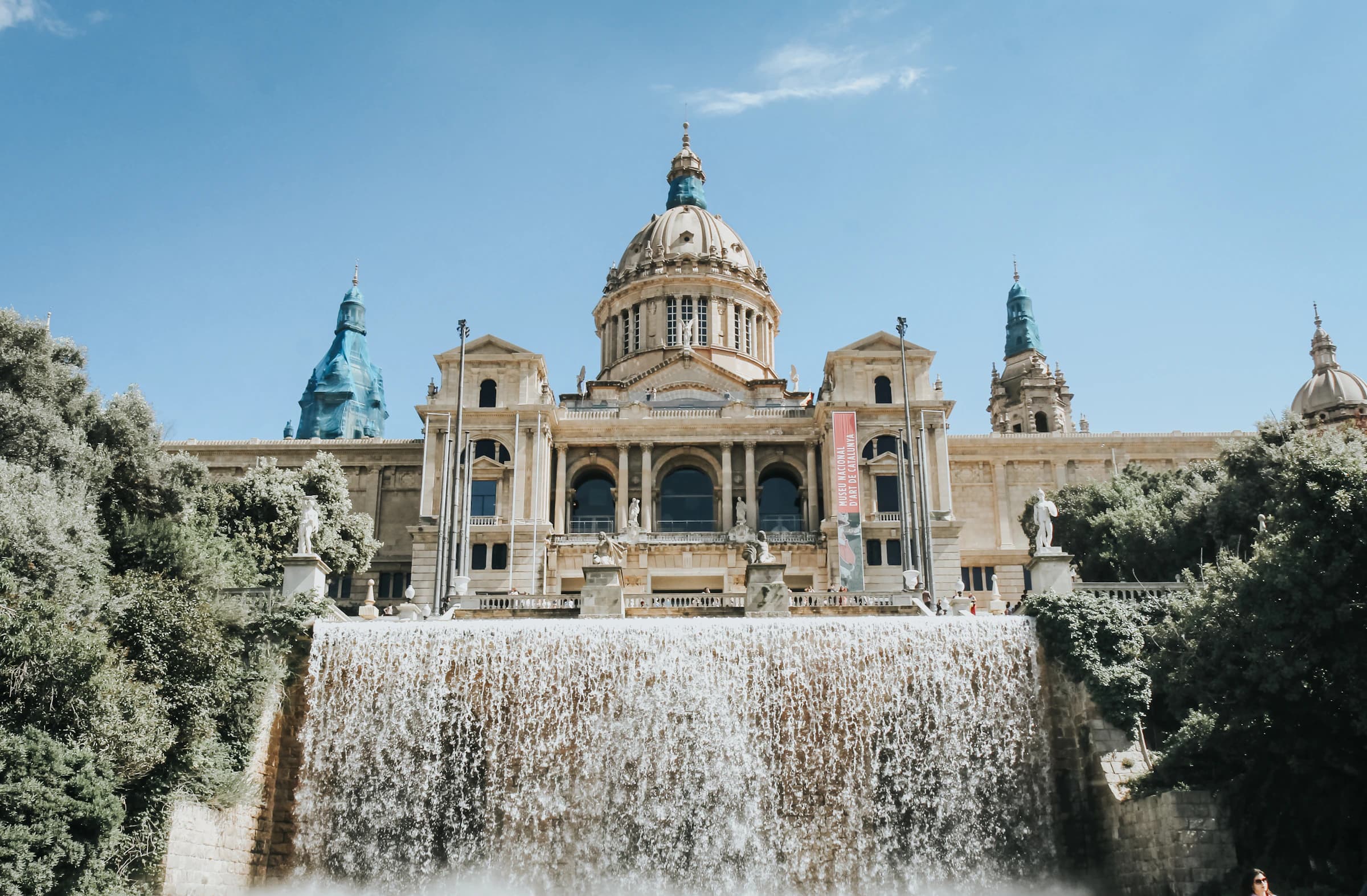
Pick a collection by interest rather than using the closest museum as automatic shelter. The Museu Nacional publishes visitor guidance that can help you prepare a purposeful visit. Decide whether you want an overview or a focused selection, and agree that choice with companions. Someone who enjoys long observation may need a different rhythm from a person who prefers a short introduction. Choose a small question to follow through the rooms and take a seated pause when needed. A museum visit becomes more satisfying when you give attention to selected works rather than treat every room as obligatory.
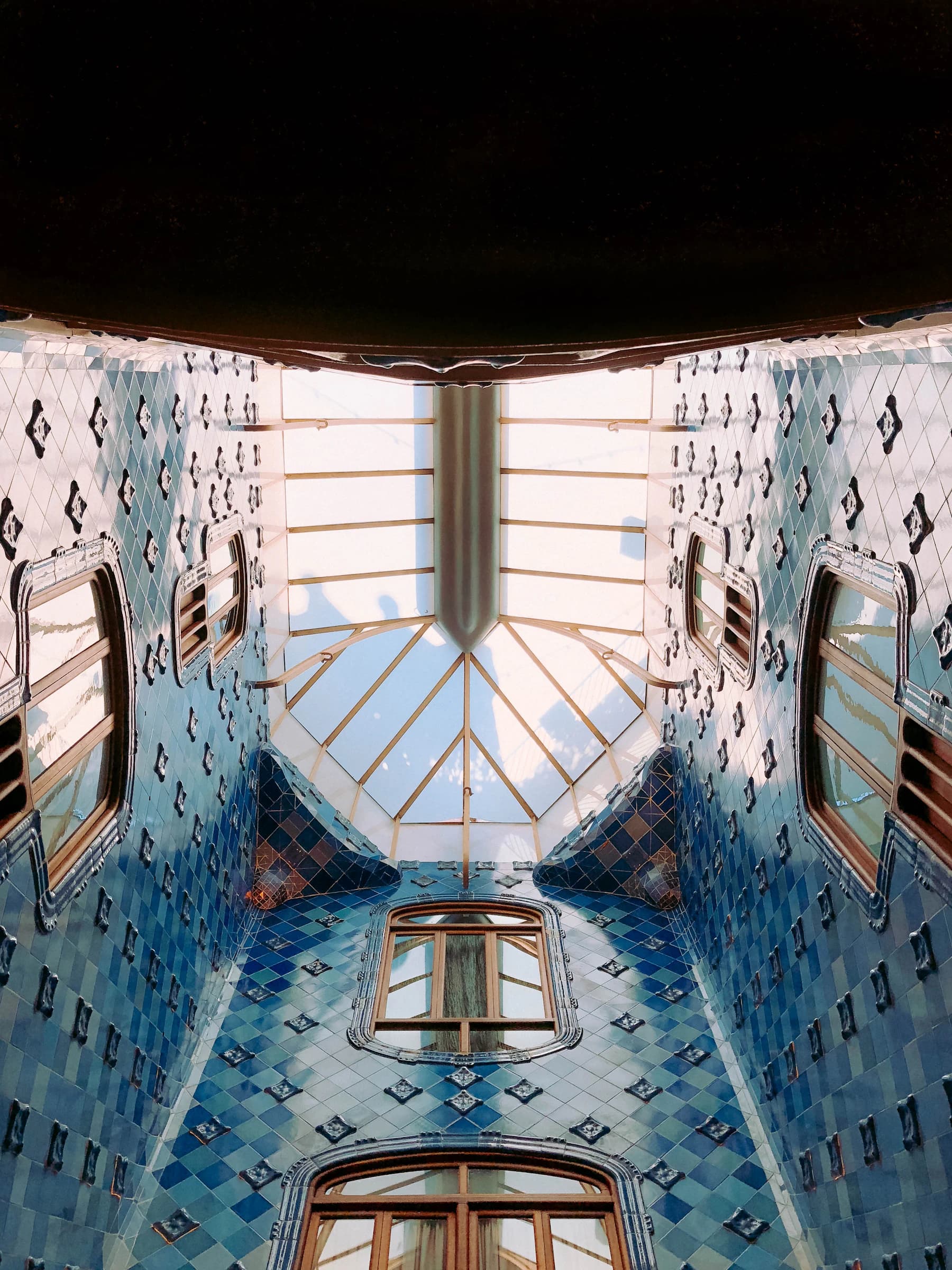
Replace long exposed transfers first
Look at the actual walking between your accommodation, transport and the venue entrance. An indoor attraction can still involve a substantial uncovered approach. Check the route and service information through TMB before setting off, especially if you are changing the itinerary in an unfamiliar area. Avoid a sequence of several short visits that requires repeated journeys in wet clothing. One main indoor chapter with a nearby meal often creates a calmer day. Keep the final return understandable and leave room for a practical change if your group needs to stop sooner.
Prepare clothing without turning it into a burden
Choose shoes and layers that help you move comfortably and keep essentials protected. You do not need to carry equipment for every hypothetical situation. Think about what happens to a wet umbrella or coat when you enter a venue, and check the venue’s visitor rules rather than assume all storage is available. With children, allow extra time for changing attention and settling after a journey. If someone needs accessible transport, verify the actual route instead of assuming the shortest option works. Practical preparation should make the day simpler, not add a complicated luggage problem.
Keep architecture in the story, differently
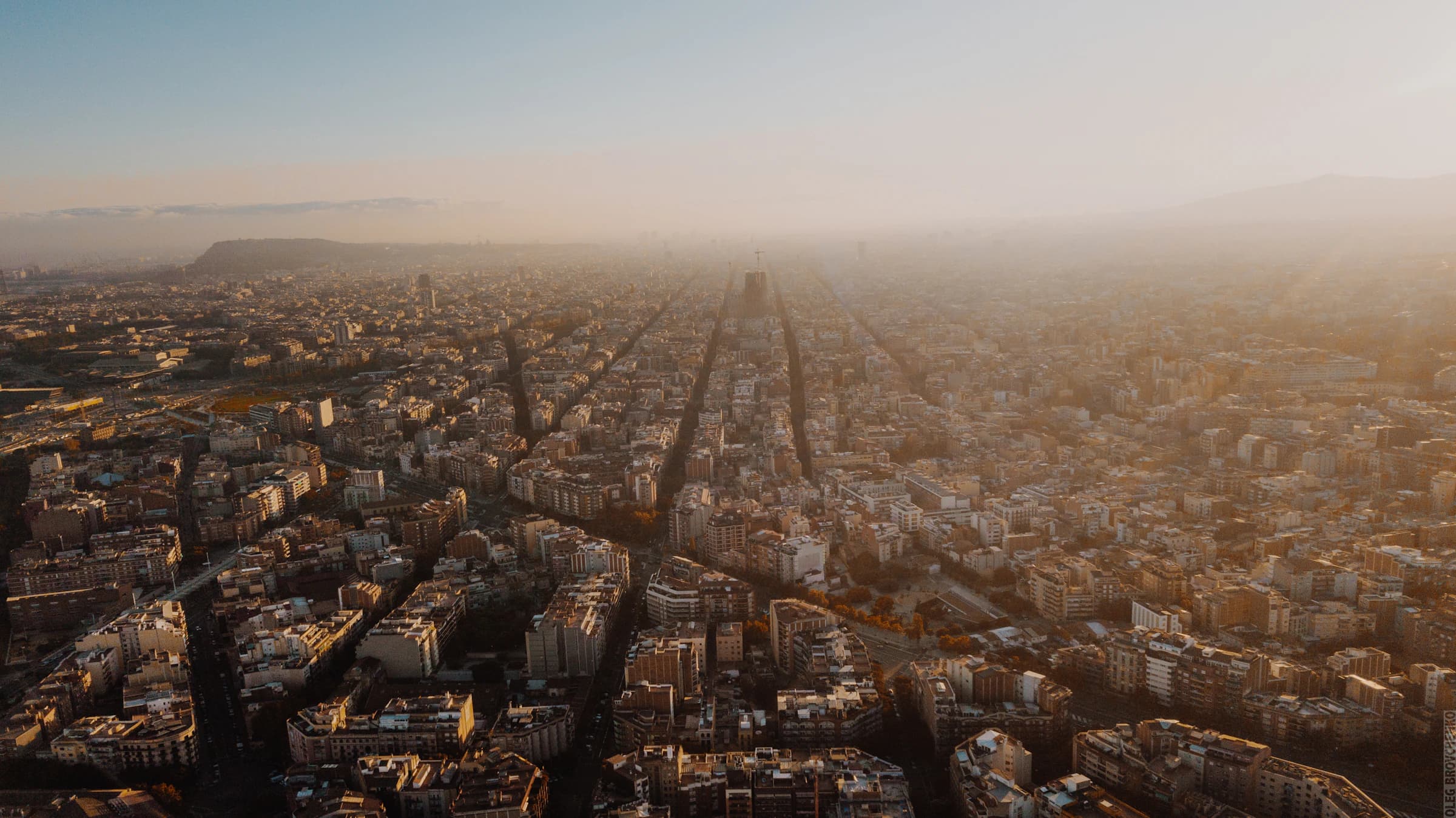
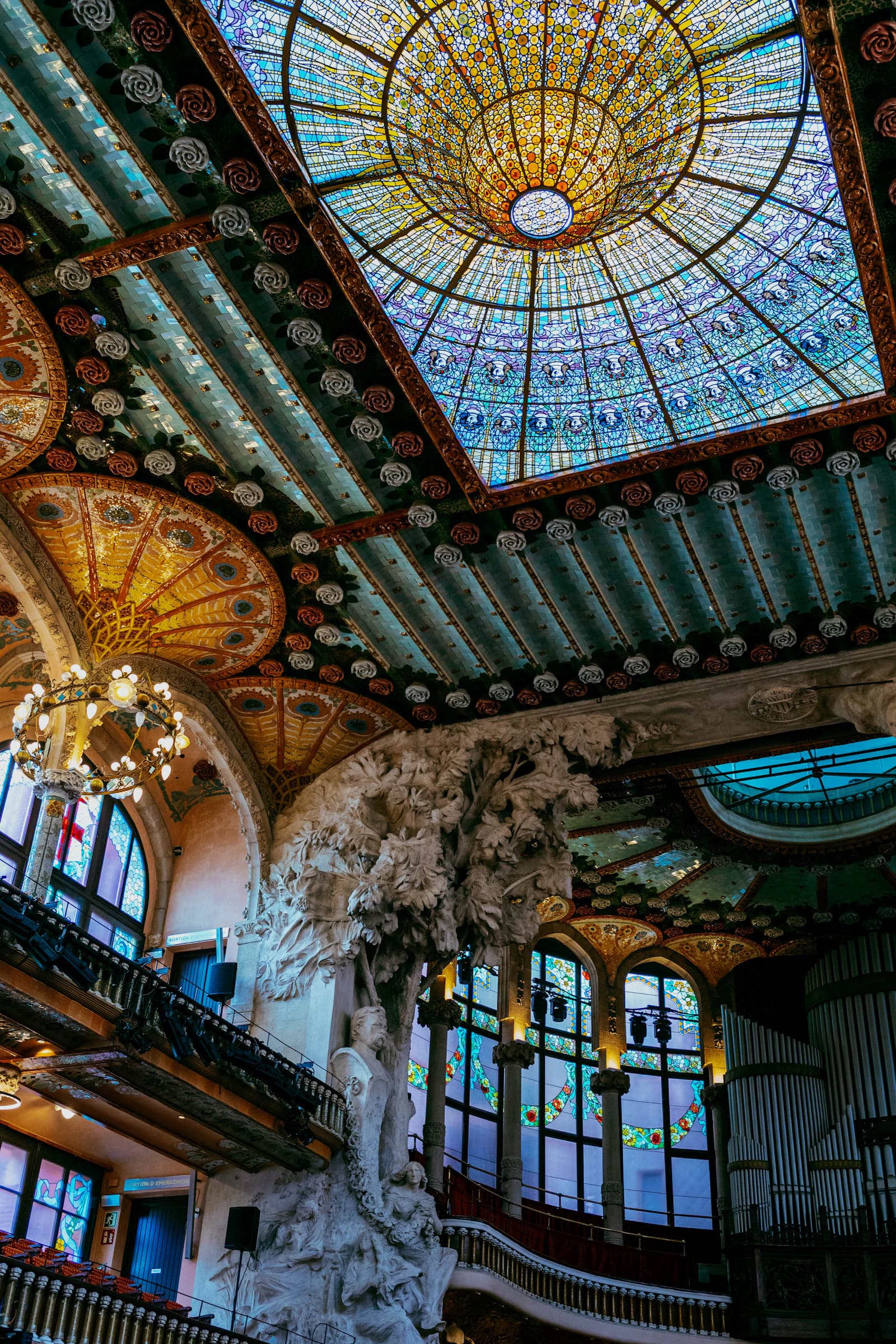
A rainy day can still be about architecture if you choose the right kind of attention. An admission-based building visit, when separately available and booked, is a different service from a guided street route. Make that distinction before purchasing. You might also use a café pause to compare photographs and questions from a previous walk, then reserve deeper observation for better conditions. Do not treat an image on a tour page as proof of covered access. Ask what is actually offered. Keeping the theme while changing the format is more useful than trying to force the original itinerary unchanged.
End with a plan you can shorten
Give the afternoon an optional rather than essential final chapter. If conditions improve, a short walk can reconnect you with the city; if they do not, a quiet return can be the better choice. Discuss tomorrow only after considering the group’s energy, not merely the number of attractions left. Keep any moved reservation and its confirmation easy to distinguish from the original. Before leaving the venue, check your return route and decide whether another stop is still enjoyable. The useful measure of a rainy day is whether the experience remained coherent, not whether you managed to defeat the weather.
Sources and further reading
Bring the story to life
Compare routes, durations and languages, then choose the tour that fits your trip.
Explore our tours ↗